
Hair loss is one of the most anticipated, and often feared, side effects of chemotherapy. But the timing rarely gets explained clearly before treatment starts. According to an oncologist, hair loss usually begins around two to three weeks after the first chemotherapy session, though the exact timing depends on the specific drugs used. Here is what an expert wants patients to know about the full timeline, from the first signs of shedding to when hair starts growing back.
How Long After Chemo Do You Actually Lose Your Hair?
Dr Sachin Sekhar Biswal, Consultant, Medical Oncology at Manipal Hospitals, Bhubaneswar, explains that hair loss usually begins around two to three weeks after the first chemotherapy session, though the exact timing depends on the specific drugs used. Some patients notice thinning first, followed by more noticeable shedding within days.
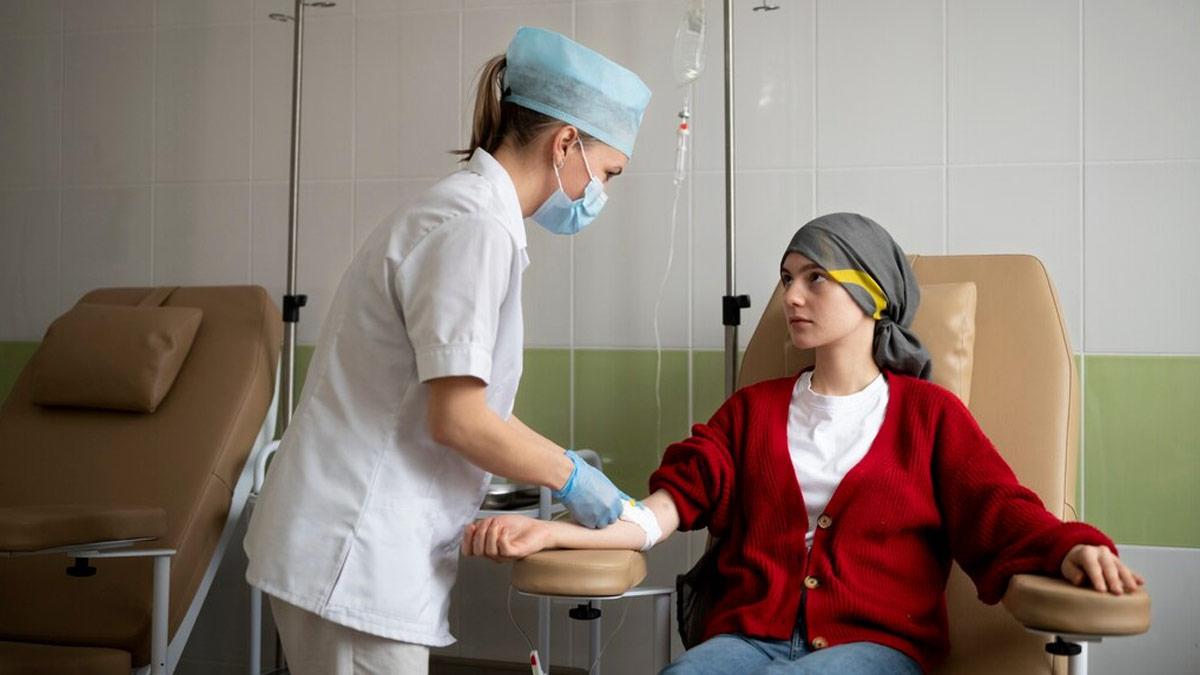
According to Cancer Research UK, not every chemotherapy drug causes hair loss. Only some do, and the extent depends on the drug, dose, and how the body reacts. When it does happen, hair usually starts falling out gradually, within two to three weeks of starting treatment, rather than all at once, as Dr Biswal explained.
Most people's hair grows back once chemotherapy ends, typically within three to six months, with full recovery often taking six to twelve months. In rare cases, particularly with very high doses of certain drugs, hair may take much longer to return, or in a small number of cases, not grow back fully at all.
ALSO READ- Does Cancer Treatment Differ by Age? We Asked an Oncologist
What Should You Expect During the Hair Loss Process?
According to Dr Biswal, the experience can vary quite a bit from person to person. Hair loss can happen gradually or quite suddenly, sometimes coming out in clumps during washing or brushing. It is not limited to the scalp either. Eyebrows, eyelashes, and body hair can also be affected depending on the drugs used.

Dr Biswal also notes that the scalp may feel tender or sensitive just before or during shedding. On a more hopeful note, hair typically starts growing back a few weeks after the last chemotherapy session, often within one to three months.
According to the National Cancer Institute (NCI):
- Some chemotherapy drugs cause hair loss on the head and other parts of the body, not just the scalp.
- Radiation therapy can also cause hair loss, but only in the specific area being treated.
- Doctors and nurses can tell you in advance whether your specific treatment is likely to cause hair loss.
- Many people notice their scalp feels tender or itchy during this process, and using gentle lotions or conditioners can help.
- Talking to your healthcare team early on can help you plan and prepare, rather than being caught off guard
How Quickly Does Hair Start Falling Out, and Does Its Texture Change Afterwards?
For most patients, Dr Biswal explains that shedding becomes noticeable within two to four weeks of starting treatment. As for texture, many patients do notice a change when hair grows back. It is common for regrown hair to be curlier, finer, or a slightly different colour than before, at least initially.
This change is often temporary, according to Dr Biswal, and hair usually returns to its original texture over subsequent growth cycles, though this varies from person to person.
Does Chemotherapy Cause Full Body Hair Loss?
It can, depending on the drugs used, according to Dr Biswal. Some chemotherapy regimens only affect scalp hair, while others, particularly certain combination regimens, can lead to loss of eyebrows, eyelashes, underarm, and pubic hair as well.
This is different from radiotherapy, which only affects hair in the treated area rather than the whole body. Understanding this distinction can help patients know what to expect based on the specific type of treatment they are receiving.
According to a 2022 report from Huntsman Cancer Institute at the University of Utah, chemotherapy targets cells that divide and grow quickly, since that's a key feature of cancer cells. Hair cells also divide and grow quickly, which is exactly why chemo affects them too. This means hair loss isn't limited to the scalp.
It happens all over the body, including eyelashes and eyebrows. Not everyone loses their hair on chemo, though. It depends heavily on the type of chemotherapy and dosage given.
What Week of Chemo Tends to Be the Hardest for Hair Loss?

This varies by individual and regimen, according to Dr Biswal, but many patients report the first one to two weeks after each cycle as the toughest, when side effects like fatigue, nausea, and hair loss tend to peak before the body has time to recover before the next cycle.
For hair loss specifically, Dr Biswal points to the second to third week after the first cycle as often the most difficult emotionally, since that's typically when shedding becomes most noticeable.
What Are the Best Ways to Manage Hair Loss During Chemo?
Dr Biswal shares several practical tips that can make the process feel more manageable:
- Consider cutting hair short before treatment starts, which can make the shedding process feel less dramatic.
- Use a soft bristle brush and mild, sulphate-free shampoo to reduce scalp irritation. Protect the scalp from sun exposure and cold with a hat, scarf, or wig as preferred.
- Cold cap therapy, if available and suitable for the specific cancer type, can help reduce hair loss in some patients, though it doesn't work for everyone.
- Be gentle with the scalp, avoiding harsh treatments, heat styling, or tight hairstyles during this period.
- Talk to the care team about wigs, scarves, or other coverings if that would help emotionally.
Above all, Dr Biswal reminds patients that this is temporary for the vast majority of people, with hair typically returning within a few months of finishing treatment.
Why Knowing the Timeline Helps More Than People Expect
Facing hair loss without knowing what to expect can make an already difficult experience feel even more unsettling. Dr Biswal's breakdown of the timeline, from the first two to three weeks through to regrowth months later, gives patients a clearer sense of what's ahead. Having this roadmap in hand, even a rough one, often makes the emotional side of hair loss a little easier to navigate.
ALSO READ- Can Chemotherapy Really Extend Your Life? An Oncologist Explains How It Works
Conclusion
Hair loss from chemotherapy tends to follow a fairly predictable pattern, usually starting within two to four weeks of the first session and growing back within a few months of finishing treatment. Knowing what to expect, from texture changes to full body hair loss possibilities, helps patients prepare both practically and emotionally for the journey ahead.
FAQ
1. Can certain vitamins or supplements help hair grow back faster after chemo?
There is limited strong evidence that specific vitamins or supplements speed up hair regrowth after chemotherapy, and it's best to check with the oncology team before starting anything new, since some supplements can interact with cancer treatment. A balanced diet generally supports overall recovery, including hair regrowth, without needing specific supplementation in most cases.2. Is it normal to feel emotional distress specifically around hair loss during chemo, separate from the cancer diagnosis itself?
Yes, this is a very common and valid experience, since hair loss is often one of the most visible and public signs of illness. Many cancer centres offer counselling support or connect patients with others going through similar experiences, which can help process these feelings alongside the physical changes.
All possible measures have been taken to ensure accuracy, reliability, timeliness and authenticity of the information; however Onlymyhealth.com does not take any liability for the same. Using any information provided by the website is solely at the viewers’ discretion. In case of any medical exigencies/ persistent health issues, we advise you to seek a qualified medical practitioner before putting to use any advice/tips given by our team or any third party in form of answers/comments on the above mentioned website.

How we keep this article up to date:
We work with experts and keep a close eye on the latest in health and wellness. Whenever there is a new research or helpful information, we update our articles with accurate and useful advice.
-
Current Version
Jul 31, 2026 17:07 IST
Published By : Vivek Kumar
Reviewed By : Dr Sachin Sekhar Biswal