Radiotherapy is one of the most commonly used treatments for cancer, working by targeting high-energy rays at cancer cells to destroy them or stop them from growing. While it's highly effective, it can also impact the healthy surrounding tissue, causing various side effects. Learning about what to anticipate and how to cope with it can make the journey a lot less stressful for many patients. We spoke to Dr Sachin Sekhar Biswal, Consultant, Medical Oncology at Manipal Hospitals, Bhubaneswar, to know more about the side effects.
Understanding How Radiotherapy Affects the Body
According to Dr Biswal, radiotherapy doesn't work like a scalpel with a single, isolated cut. It affects the tissue in and around the treatment zone, which is why most side effects are localised to the area being treated rather than affecting the whole body the way chemotherapy often does.

He explains that most side effects build up gradually over the course of treatment and tend to ease within a few weeks of finishing it, though the severity and type can vary considerably from person to person, depending on the treatment area, the radiation dose, and individual health factors.
Dr Biswal cautions, "Don't look at the side effects of another person as this varies depending on the area being treated, the dosage and the person's body.
Common Side Effects of Radiotherapy
According to the National Cancer Institute, radiation therapy can damage nearby healthy cells while targeting cancer cells, and this damage causes side effects. Fatigue is very common, but it affects people differently.
Other side effects depend on the treated body part. Most healthy cells recover within a few months, though some effects can appear months or years later. Some of the other side effects explained by Dr Biswal are mentioned below.
1. Fatigue
Fatigue is the most common side effect of radiotherapy and tends to get worse as the treatment is given and may persist for a few weeks afterwards, Dr Biswal says.
His tips to manage it:
- Rest when your body needs it, but avoid complete bed rest
- Include a short daily walk. Dr Biswal notes that light activity often helps more than total inactivity
- Pace your day rather than trying to get everything done at once
2. Skin Changes at the Treatment Site
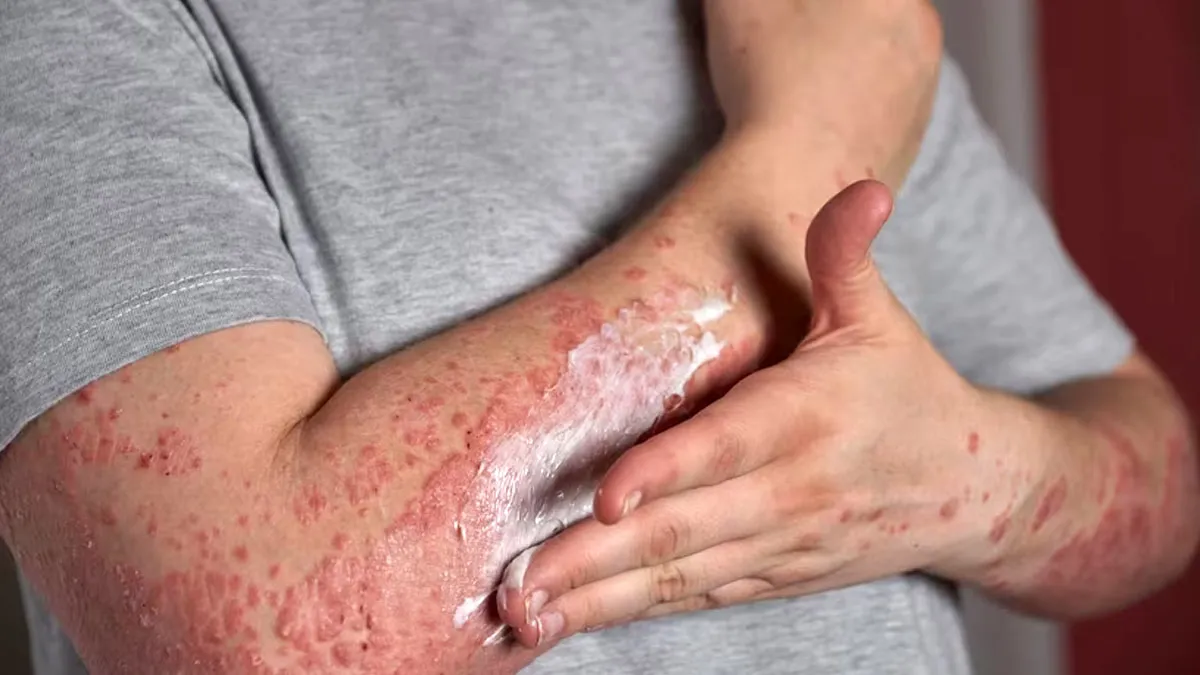
Dr Biswal describes how the skin in the treated area can become red, dry, itchy, or unusually sensitive, an effect he compares to a mild sunburn.
His tips to manage it:
- Wash the area gently with lukewarm water and avoid scrubbing
- Steer clear of perfumed soaps or lotions unless your care team has approved them
- Choose loose, soft cotton clothing over the treated area
- Avoid direct sun exposure on the skin being treated
3. Nausea
Per Dr Biswal, nausea tends to occur more often when the abdomen or pelvis is the treatment area, as radiotherapy in these regions can affect the digestive system.
His tips to manage it:
- Eat small, frequent meals rather than large ones
- Choose bland, easy-to-digest foods over spicy or oily options
- Speak to your doctor about anti-nausea medication if needed.
4. Localised Hair Loss
Dr Biswal points out that, unlike chemotherapy, radiotherapy does not cause hair loss across the whole body. If the head is the treatment area, hair loss may occur, but only in that specific region.
He adds that this is usually temporary, with hair often growing back a few months after treatment concludes.
5. Loss of Appetite
During radiotherapy, it is common for patients to feel less hungry as the treatment itself may have an impact on the digestive tract or may leave the patient feeling tired, says Dr Biswal.
His advice for him to deal with it:
- Eat nutritious foods, even if the amount is small
- Incorporate protein-rich foods, fruits and soups into the diet.
- Prioritise staying hydrated, which Dr Biswal says is just as important as eating enough
According to Cancer Research UK, radiotherapy, especially to the head and neck, can cause a sore or dry mouth, swallowing trouble, and taste changes, which may lower appetite. They suggest eating high-energy, high-protein foods like eggs, cheese, and fish, having small, frequent meals, and drinking plenty of fluids. If eating becomes difficult, patients should tell their care team, who can arrange support from a dietitian.
6. Site-Specific Side Effects
Dr Biswal explains that the nature of side effects often depends on which part of the body is being treated:
- Head and neck radiotherapy: sore throat, dry mouth, difficulty swallowing, changes in taste
- Chest radiotherapy: mild cough, difficulty swallowing
- Abdominal or pelvic radiotherapy: diarrhoea, bladder irritation
ALSO READ- Does Cancer Treatment Differ by Age? We Asked an Oncologist
When Should You Contact Your Doctor?
While most side effects are manageable at home, Dr Biswal advises patients to reach out to their care team without delay if they notice any of the following:
- Skin breakdown or open sores at the treatment site
- Fever
- Severe pain
- Inability to eat or drink
"Many side effects are easier to manage when caught early," he explains, adding that patients should always report new or worsening symptoms rather than waiting it out.
How Long Do Radiotherapy Side Effects Last?

Based on Dr Biswal's clinical experience, most acute side effects such as fatigue, skin irritation, and nausea tend to pass after 2-4 weeks of treatment. Some side effects, however, may take longer to clear up and may even be permanent, such as dry mouth after head and neck radiotherapy, so he advises regular follow-up appointments after treatment.
Diet Tips During Radiotherapy
Dr Biswal recommends the following dietary approach during treatment:
- Small, regular and easy-to-digest meals
- Getting sufficient protein to help repair tissue
- Drinking ample amounts of fluids during the day.
- If the mouth or throat is affected, avoid very spicy, oily or acidic foods.
- Discuss the possibility of having a dietician involved with treatment and cancer care.
Is Radiotherapy Painful?
Dr Biswal addresses a common misconception here that radiotherapy itself is painful. According to him, the treatment is painless, similar to having an X-ray, and any discomfort experienced usually comes from the after-effects on the skin or surrounding tissue, not from the radiation delivery itself.
Conclusion
Despite all the side effects that may occur, radiotherapy is one of the most effective weapons in the fight against cancer, and often people are anxious about the side effects, preventing them from receiving it. Dr Biswal reiterates that this is rarely the case. Most patients can cope with the side effects, and they pass quickly with supportive care such as skin care and dietary changes. You'll find it's a lot smoother if you keep in touch with your care team throughout your treatment.
FAQ
1. Does radiotherapy cause hair loss all over the body?
No. Radiotherapy only has an effect on the specific area of hair growth, Dr Biswal said. If you are having radiation therapy to the head, your hair will only fall out there and should regrow within a few months after therapy.2. How is radiotherapy different from chemotherapy in terms of side effects?
Radiotherapy only impacts the area being treated, and chemotherapy goes into the bloodstream, impacting the body as a whole, Dr Biswal says. This is what makes radiotherapy not necessarily affect the whole body with hair loss or with comparable extensive nausea as chemotherapy.
All possible measures have been taken to ensure accuracy, reliability, timeliness and authenticity of the information; however Onlymyhealth.com does not take any liability for the same. Using any information provided by the website is solely at the viewers’ discretion. In case of any medical exigencies/ persistent health issues, we advise you to seek a qualified medical practitioner before putting to use any advice/tips given by our team or any third party in form of answers/comments on the above mentioned website.

How we keep this article up to date:
We work with experts and keep a close eye on the latest in health and wellness. Whenever there is a new research or helpful information, we update our articles with accurate and useful advice.
-
Current Version
Jul 31, 2026 10:54 IST
Published By : Vivek Kumar
Reviewed By : Dr Sachin Sekhar Biswal