Ear pain can strike suddenly, and for many people, the first instinct is to reach for warm oil, a remedy passed down through generations. However, does it really help, or does it make it worse? According to an ENT specialist, ear pain is a symptom, and it is important to determine the exact cause before taking any action. Here is what an expert wants people to know before pouring anything into their ear.
Should You Put Oil in Your Ear If It Hurts?
Dr Rohit Udaya Prasad, Lead and Senior Consultant, ENT and Cochlear Implants, at KIMS Hospitals, Electronic City, Bengaluru, explains that the ear is a symptom, and it is essential to know what is causing the pain before taking any action. Warm oil is inserted into the ears to alleviate pain by many people. However, it is just a traditional practice.
Oils like coconut, mustard, and olive may be helpful for relieving pain temporarily, softening hard wax and giving a good feel, says Dr Prasad. They should not be used regularly, however, unless the cause is determined.
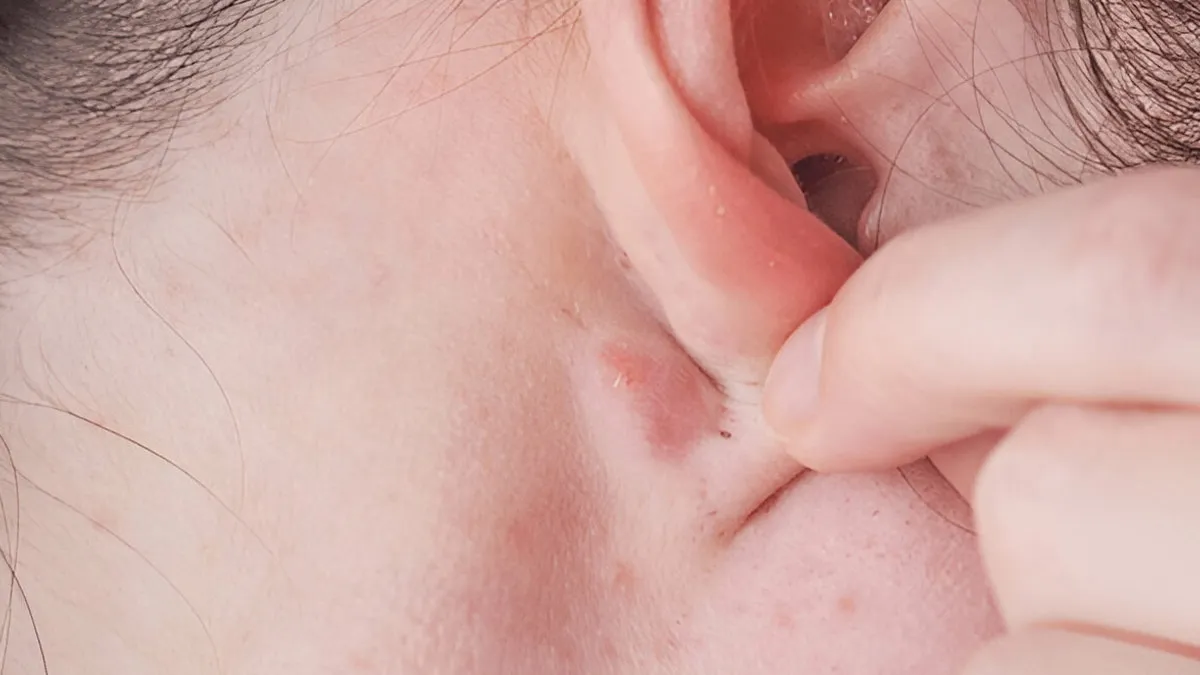
According to the NHS, oil can actually be used to relieve earache due to earwax. They advise lying on one side and applying 2-3 drops of olive or almond oil to the affected ear. The position must be held for 5-10 minutes and repeated 3-4 times a day for 3-5 days.
The earwax should melt and drain away on its own for approximately two weeks. The NHS does state, though, that those with a perforated eardrum should never use oil. Even fingers or cotton buds should be avoided as these can cause damage by pushing the wax in further and not helping.
ALSO READ- How to Know If Ear Pain Is Serious? An ENT Expert Explains
When Can Oil in the Ear Make Things Worse?
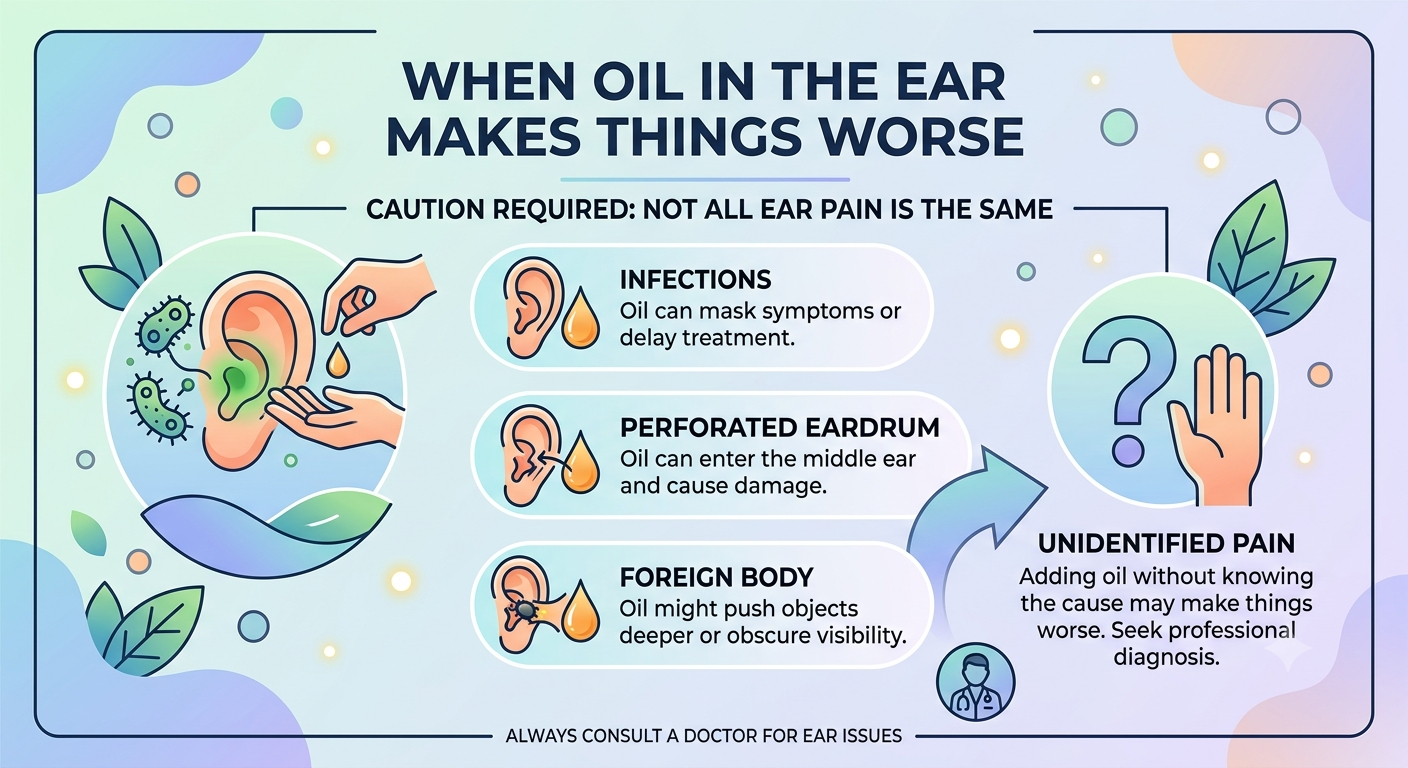
This is where caution matters most. Dr Prasad warns that if the pain is due to an infection, a perforated eardrum, or a foreign body, oil will not only delay treatment but also make the situation even worse.
It's critical that you make this distinction because ear pain can be caused by extremely different reasons, and while they feel the exact same on the surface, their causes are quite different. If you don't know what is causing the pain, you might end up making it worse by adding oil, or by pushing something in further or causing an infection, neither of which will help the situation.
What Should You Do If Excess Ear Wax Is the Cause?
If the problem is due to ear wax accumulation, Dr Prasad says that special ear drops will be prescribed instead of picking up oil at home without the proper advice. These drops are tailored for easy and safe softening and removal of excess wax and are therefore more reliable than a home remedy of unknown strength and purity.
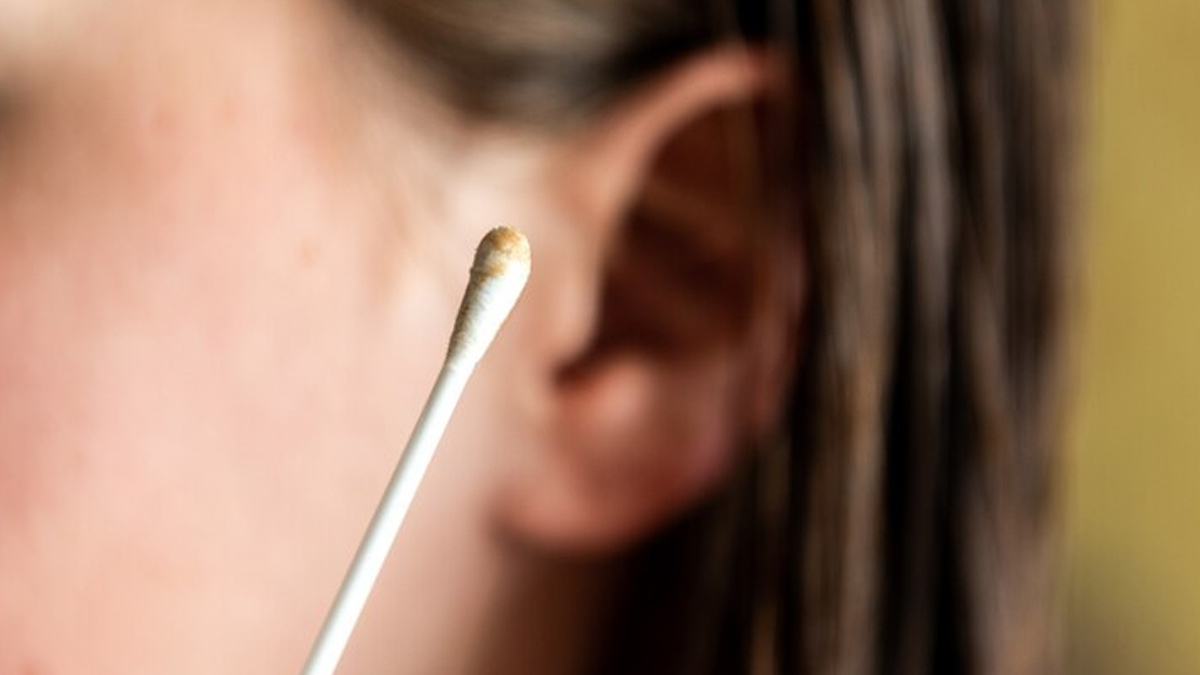
According to a 2021 review in the Journal of Pharmaceutical Research International, earwax is a natural substance that cleans and protects the ear canal. It's the most common reason for ear blockage. Buildup often happens due to overuse of cotton buds, hearing aids, or the body simply struggling to clear wax on its own. While usually harmless, it can cause hearing loss, ringing in the ears, itching, ear pain, discharge, and even a cough.
Removing earwax is generally safe. However, the review notes some risks, including eardrum injury, canal damage, or wax that's difficult to fully remove.
The three main removal methods are earwax softening drops, irrigation, and manual removal by a professional. Doctors are also advised not to interfere unnecessarily if someone has no symptoms at all.
What Natural Remedies Can Help With Ear Pain?
According to Dr Prasad, a few gentler, natural approaches can offer some relief depending on the cause of the pain:
Using a warm pack on the affected ear. Drinking plenty of water. Chewing gum, in case the pain occurs due to changing pressure. Inhaling steam, in case of a stuffy nose.
These remedies are generally safe to try at home and can offer some comfort while the underlying cause resolves or is properly diagnosed.
What Works Best for Instant Ear Pain Relief?
When it comes to quick relief, Dr Prasad explains that over-the-counter pain medication, such as paracetamol or ibuprofen, when recommended from a medical point of view, is usually more efficient than home remedies.
He also reassures that mild instances, especially those caused by viral infections or changes in pressure, can go away without any treatment in just several days.
According to South Florida ENT Associates, several remedies can offer temporary relief from earache while waiting to see a doctor.
- Steam inhalation is one of the simplest options. It can clear fluid buildup almost instantly, either through a hot shower or by inhaling steam from a bowl.
- Garlic is another remedy, since its active ingredient, allicin, acts as a natural antiviral, useful for infections like middle ear infections.
- Tea tree oil is also suggested for its antiseptic and antimicrobial properties, though it must always be mixed with a carrier oil like coconut or jojoba, never applied alone.
- Gentle neck and ear massages can help too, by draining excess fluid and reducing inflammation.
That said, it also stresses that these are only temporary measures. Seeing an ENT remains the best way to properly diagnose and treat the actual cause of the pain.
When Should You See an ENT Specialist?

Not all ear pain resolves on its own, and Dr Prasad is clear about when it's time to seek professional care. You should see an ENT specialist immediately if you experience:
- Severe pain
- Fever
- Loss of hearing
- Drainage from the ears
- Dizziness
- Symptoms lasting more than two days.
These signs can point to something that needs proper medical evaluation rather than home management, and delaying care in these situations could allow an underlying issue to worsen.
Why Identifying the Cause Matters More Than the Remedy
It's easy to reach for whatever remedy feels familiar when ear pain strikes, but Dr Prasad's guidance highlights an important shift in thinking. The real priority isn't finding the fastest fix; it's understanding what's actually causing the pain in the first place. A remedy that works well for one cause of ear pain could genuinely worsen another, which is exactly why a one-size-fits-all approach doesn't serve everyone equally well.
Conclusion
While oil may help ease some types of ear pain, it may not be a safe, all-purpose remedy. It can actually aggravate certain earaches, such as an ear infection or a perforated eardrum. The less dramatic methods of pain relief and medication, and seeking medical help if warning symptoms are noted, are much safer than accepting the old ways.
All possible measures have been taken to ensure accuracy, reliability, timeliness and authenticity of the information; however Onlymyhealth.com does not take any liability for the same. Using any information provided by the website is solely at the viewers’ discretion. In case of any medical exigencies/ persistent health issues, we advise you to seek a qualified medical practitioner before putting to use any advice/tips given by our team or any third party in form of answers/comments on the above mentioned website.

How we keep this article up to date:
We work with experts and keep a close eye on the latest in health and wellness. Whenever there is a new research or helpful information, we update our articles with accurate and useful advice.
-
Current Version
Jul 30, 2026 21:00 IST
Modified By : Vivek Kumar Jul 30, 2026 21:00 IST
Published By : Vivek Kumar
Reviewed By : Dr Rohit Udaya Prasad