Ear pain is common, and most of the time it clears up on its own within a few days. But sometimes it signals something more serious that needs proper medical attention. According to an ENT specialist, not all ear pain is serious, but certain symptoms should never be ignored. Here is what an expert wants people to know about spotting the difference, and when it is time to see a doctor.
Is Your Ear Pain Serious, or Just a Common Earache?
Dr Rohit Udaya Prasad, Lead and Senior Consultant, ENT and Cochlear Implants, at KIMS Hospitals, Electronic City, Bengaluru, explains that not all ear pain is serious, but certain symptoms should never be ignored. An earache brought about by a simple cold, pressure changes, or simple irritation does not last for more than a few days.
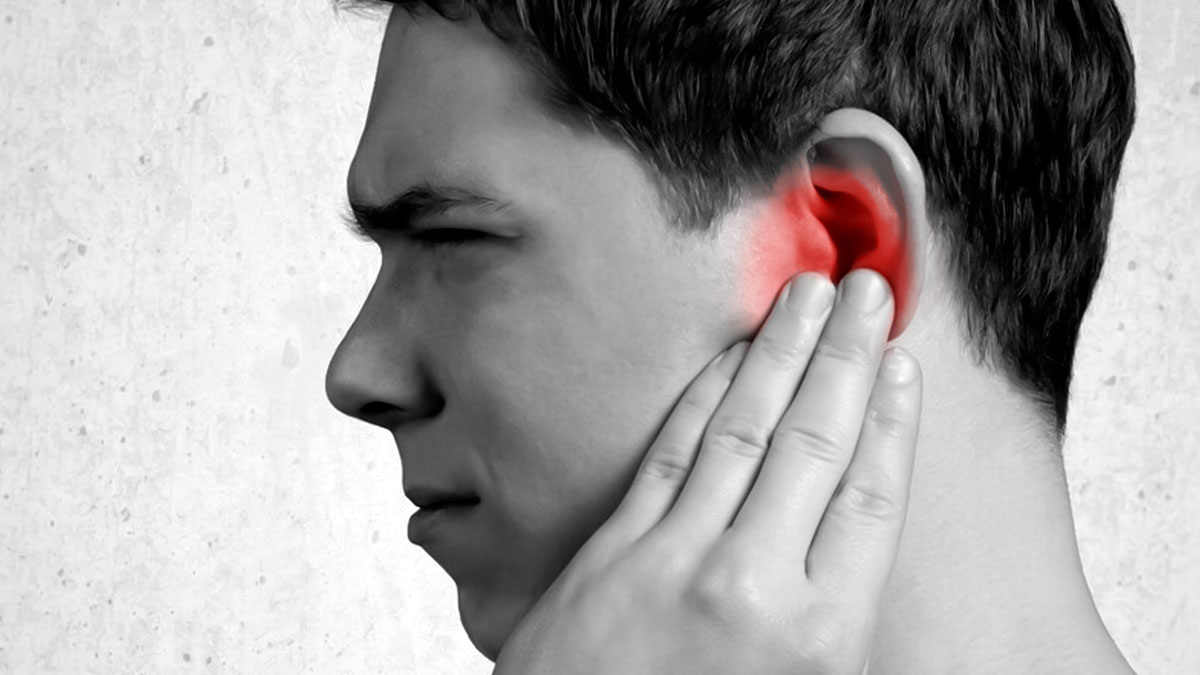
According to Dr Prasad, pain lasting more than 48 hours, with or without any other symptom, can be an indicator of more serious underlying conditions and needs medical attention.
What Are the Symptoms of Serious Ear Pain?
Dr Prasad outlines several symptoms that point to something more than a routine earache. In adults, these include intense or throbbing pain, fever, hearing difficulties, ringing in the ear, dizziness, ear swelling, fluid or pus discharge, bleeding, or earache lasting longer than 48 hours even after treatment at home.
For children, the signs can look a little different. Dr Prasad notes that symptoms in this age group include crying excessively, pulling at the ear, difficulty eating, or being irritable.
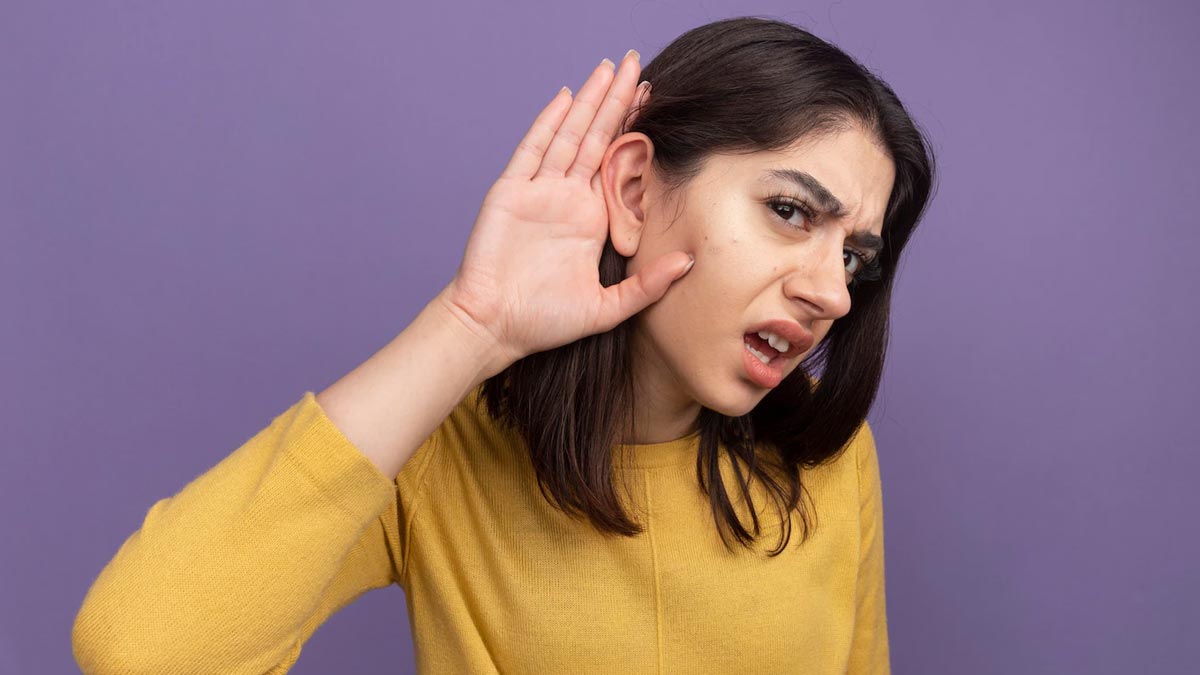
Since young children often cannot describe their pain clearly, these behavioural signs become especially important for parents to watch for.
According to a 2021 study in Clinical and Experimental Dental Research, ear symptoms are surprisingly common in people with jaw related pain and dysfunction, known as TMD. Researchers studied 132 patients at a specialist clinic. They found that 72% reported ear symptoms alongside their jaw problems.
Ear fullness was the most common complaint, affecting 49% of patients. This shows that ear related symptoms don't always come from the ear itself. Sometimes, jaw disorders are the hidden cause behind what feels like an ear problem.
ALSO READ- Is Putting Oil in Your Ear Safe for Ear Pain? An ENT Specialist Explains
How Can You Spot a Serious Case Early?
According to Dr Prasad, the best approach to diagnosing a serious condition is through careful evaluation of symptoms that may be associated with the pain.
Certain circumstances also warrant closer attention. Ear pain following an injury, swimming, flying, or in addition to a respiratory illness must be investigated if the condition deteriorates or fails to show improvement. Spotting these patterns early, rather than assuming the pain will simply pass, can make a real difference in how quickly the underlying cause gets addressed.
What Are the Preventive Measures for Ear Pain?
Prevention plays a meaningful role in reducing the risk of ear pain in the first place. Dr Prasad recommends the following measures:
Avoid using any form of sharp object in the ears. Dry ears thoroughly after swimming. Control any allergic reaction or sinusitis problem promptly. Observe good hand hygiene to prevent infection. Stay up to date with vaccination schedules.
These steps are simple, but consistently following them can meaningfully lower the chances of developing ear infections or irritation that leads to pain.
What Are the Treatment Options for Ear Pain?
The right treatment depends entirely on what's causing the pain, according to Dr Prasad. Treatment may consist of medications to alleviate pain, antibiotics or fungal ear drops, medicines, ear wax removal, or in some instances, a procedure.
Because the cause varies so widely, from infections to wax buildup to more complex issues, a proper diagnosis is essential before starting any specific treatment path.
What Is the Deadline Before You Should See a Doctor?
Timing matters when deciding whether to wait it out or seek medical care. As a general guideline, Dr Prasad advises consulting an ENT specialist if your symptoms have not subsided after 48 hours or if your symptoms are serious.
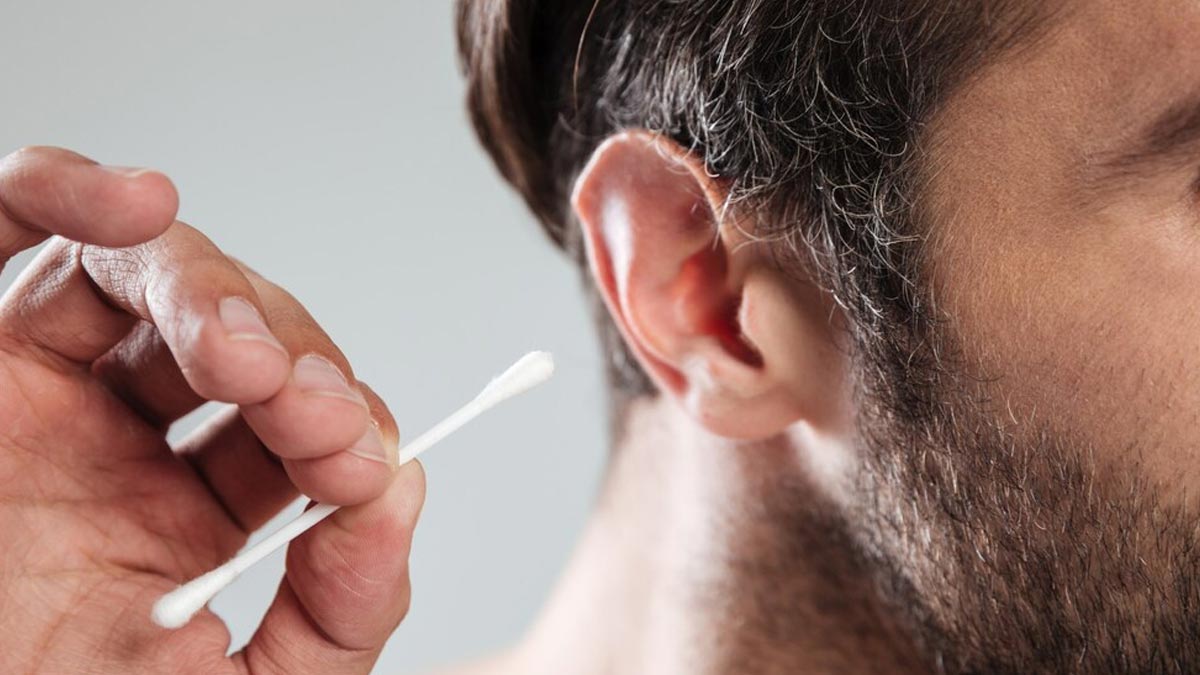
This 48-hour marker offers a useful, practical benchmark for anyone unsure whether their ear pain needs professional attention or simply more time to resolve on its own.
Why Paying Attention to the Details Matters
It's easy to dismiss ear pain as something that will pass, especially since many cases genuinely do resolve without treatment. But Dr Prasad's guidance highlights how much the surrounding details matter, whether the pain followed an injury or illness, how long it has lasted, and what other symptoms have appeared alongside it. Taking a moment to consider these factors can help you make a more informed decision about whether to wait or seek care.
Conclusion
Most ear pain is mild and resolves on its own within a few days, but certain warning signs, including pain lasting more than 48 hours, fever, hearing changes, or discharge, call for prompt medical attention. Knowing what to watch for, alongside simple preventive habits, can help you respond appropriately whenever ear pain strikes.
FAQ
1. Can ear pain be a sign of a dental problem rather than an ear issue?
Yes, dental problems such as an infected tooth or jaw issues can sometimes cause pain that radiates towards the ear, making it feel like an earache. If ear pain occurs alongside jaw discomfort or dental sensitivity, it is worth mentioning this to a doctor, since the actual source of pain may not be the ear itself.2. Is it normal for ear pain to come and go rather than stay constant?
Ear pain that comes and goes can still be worth monitoring closely, particularly if it recurs frequently or follows a pattern linked to specific triggers like swimming or flying. Intermittent pain does not automatically rule out a more serious underlying cause, so persistent recurrence is still worth discussing with a doctor.
All possible measures have been taken to ensure accuracy, reliability, timeliness and authenticity of the information; however Onlymyhealth.com does not take any liability for the same. Using any information provided by the website is solely at the viewers’ discretion. In case of any medical exigencies/ persistent health issues, we advise you to seek a qualified medical practitioner before putting to use any advice/tips given by our team or any third party in form of answers/comments on the above mentioned website.

How we keep this article up to date:
We work with experts and keep a close eye on the latest in health and wellness. Whenever there is a new research or helpful information, we update our articles with accurate and useful advice.
-
Current Version
Jul 30, 2026 20:59 IST
Modified By : Vivek Kumar
Reviewed By : Dr Rohit Udaya Prasad Jul 30, 2026 20:59 IST
Published By : Vivek Kumar