
When a child is diagnosed with cancer, chemotherapy is often the first treatment that comes to mind, largely because of how familiar it is from adult cancer care. But does it actually work the same way in children? The short answer: yes, in several ways. The drugs may be similar to those used in adults, but children are treated and respond differently because of their immature immune systems and the different types of cancer. These are the things an oncologist wants parents to know about chemotherapy for children with cancer.
How Is Chemotherapy Different for Children?
Dr Ankur Nandan Varshney, Senior Consultant, Medical Oncology, Haematology and Bone Marrow Transplant at Medanta Hospital, Noida, explains that many of the medicines used are the same as in the treatment of adults, but children are treated differently because of their growing bodies and the unique nature of the cancers.
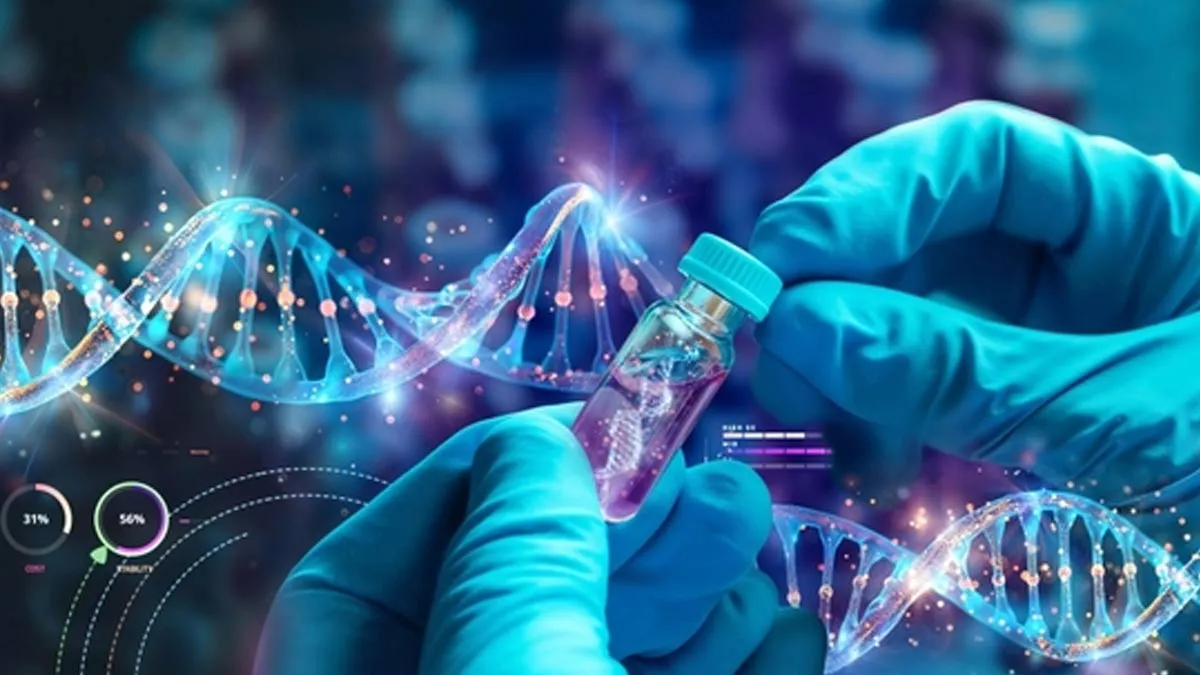
According to the American Cancer Society, chemotherapy tends to work especially well in children because most childhood cancers grow quickly, and chemo targets fast-growing cells. Children's bodies also usually recover better from higher doses than adults' bodies do. This lets doctors use more intense treatment, giving a better chance at effectively clearing the cancer, though it can also mean more short and long-term side effects to manage.
According to Dr Varshney , the key differences come down to a few important factors:
- Dosing – calculated very precisely based on body surface area or weight, and adjusted frequently as the child grows during treatment
- Drug types – some drugs and combinations are specific to childhood cancers like leukaemia, lymphoma, and neuroblastoma, which differ from common adult cancers
- Tolerance – children often tolerate higher relative doses of chemotherapy better than adults, but are more vulnerable to certain long-term effects on growth, fertility, and organ development
- Protocols – childhood cancer treatment usually follows standardised, research-based protocols with very specific schedules, given how well-studied paediatric cancers are through clinical trials
ALSO READ- Childhood Cancer Treatment: Oncologist Explains The Long-Term Effects
Does Chemotherapy Work Differently in a Child's Body?
Not in terms of its basic mechanism. Dr Varshney explains that chemotherapy still works the same way, targeting rapidly dividing cells. However, a child's rapidly growing normal cells, including bone, brain, and reproductive organs, are also more sensitive to this process. This is exactly why side effects and long-term monitoring differ so much between children and adults undergoing treatment.
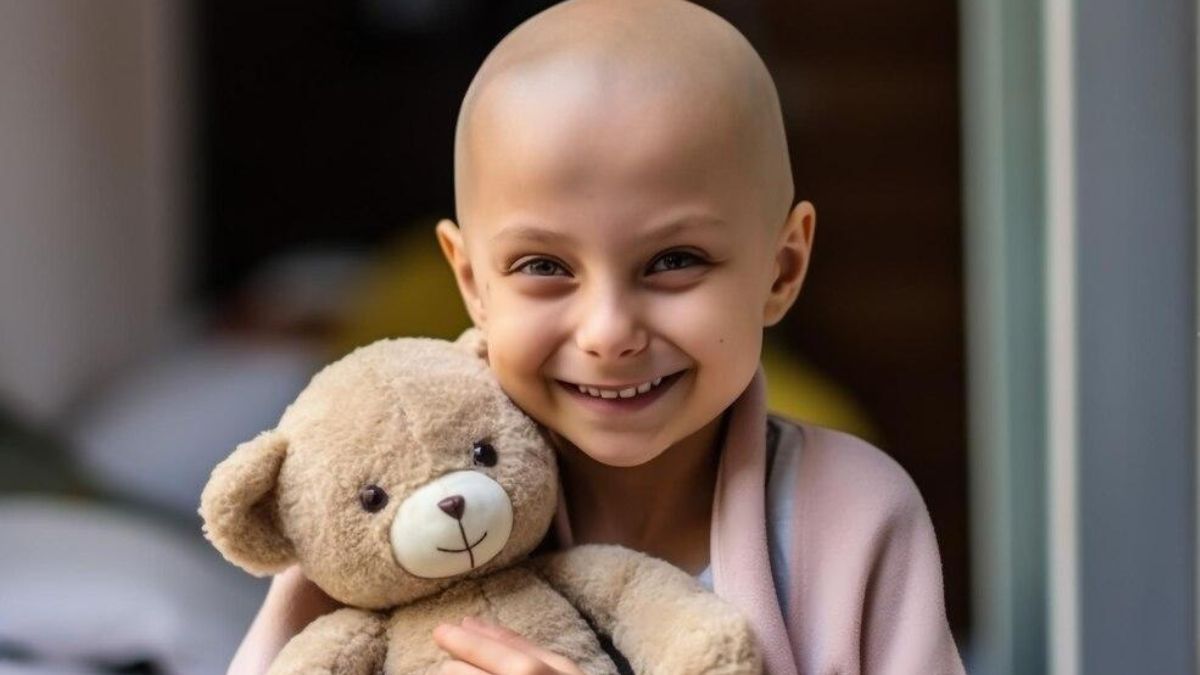
According to a 2023 review in the journal Cancers, chemotherapy targets rapidly growing cells but cannot differentiate between healthy and cancerous cells. In children, this also results in damage to normal fast-growing tissue, which results in side effects such as nerve damage and heart problems. Children, due to their developing bodies, may require more careful, long-term monitoring than adults for some of the effects, such as heart or nerve damage.
How Long Does Chemotherapy Last for Childhood Cancer?
According to the American Cancer Society's overview on childhood cancer treatment, treatment schedules depend on the cancer type and stage and the drugs needed. Blood cancers like acute lymphocytic leukaemia typically need two to three years of treatment overall. Chemotherapy is usually combined with other treatments too, like surgery or radiation, depending on how the cancer responds and how far it has spread.
-1784546411888.webp)
Hoever, according to Dr Varshney, treatment duration varies quite a bit depending on the cancer type and protocol used:
- Leukaemia treatment can span two to three years, including a maintenance therapy phase
- Solid tumours may involve shorter, more intensive cycles, often lasting six months to a year
- Some protocols include a longer maintenance phase with lower-intensity treatment following the initial intensive phase
How Should Parents Care for a Child During Chemotherapy?
Supporting a child through chemotherapy goes well beyond the hospital visits. Dr Varshney recommends several practical steps for parents and caregivers:
- Keep environment clean, hygienic, since the children receiving chemotherapy have less immunity.
- Provide balanced diet, provide frequent small meals when appetite is reduced
- Follow recommended vaccinations as advised by oncology team, some vaccines may require modification during treatment time
- Keep a close eye out for fever or infection as these must be treated immediately.
- Help with emotional health and wellbeing by using child life specialists or counsellors where possible or keeping routine and schooling as normal as possible.
- Continue to closely monitor the care team for new symptoms, instead of waiting to see if they go away
Why Long-Term Monitoring Matters So Much
Chemotherapy can have side effects that don't stop after the treatment has stopped, as children's bodies are still developing. Dr Varshney stresses on watching growth, fertility and organ development. It is clear that follow up care is of paramount importance for families, not only while the intensive treatment is offered, but beyond that as well.
ALSO READ- Does Smoking in Pregnancy Increase Childhood Cancer Risk? An Oncologist Explains
Conclusion
Childhood cancer chemotherapy is not the same as adult chemotherapy, but rather a smaller dose. It's a carefully designed strategy that takes into consideration a child's size, the nature of the cancer and their future growth. However, many children heal completely with the careful attention and standardized treatment provided in a home setting, and continue to do well after treatment.
FAQ
1. Can children continue attending school during chemotherapy?
Yes, in many instances, but it depends on how intense the treatment is and the immune status of the child at the moment. Part-time schooling or online learning may be appropriate for less intensive treatments, and closer monitoring or a temporary school break during more intensive treatments.2. Do children need a special diet while undergoing chemotherapy?
There is no one size fits all diet but there is a careful review of nutrition with the Oncology team, as appetite changes and immune sensitivity can influence what is tolerated well. This can be difficult and often a paediatric dietitian is involved to ensure that the child is receiving adequate nutrition.
All possible measures have been taken to ensure accuracy, reliability, timeliness and authenticity of the information; however Onlymyhealth.com does not take any liability for the same. Using any information provided by the website is solely at the viewers’ discretion. In case of any medical exigencies/ persistent health issues, we advise you to seek a qualified medical practitioner before putting to use any advice/tips given by our team or any third party in form of answers/comments on the above mentioned website.
How we keep this article up to date:
We work with experts and keep a close eye on the latest in health and wellness. Whenever there is a new research or helpful information, we update our articles with accurate and useful advice.
-
Current Version
Jul 21, 2026 16:55 IST
Modified By : Vivek Kumar Jul 21, 2026 16:55 IST
Modified By : Vivek KumarJul 21, 2026 16:55 IST
Published By : Vivek Kumar