
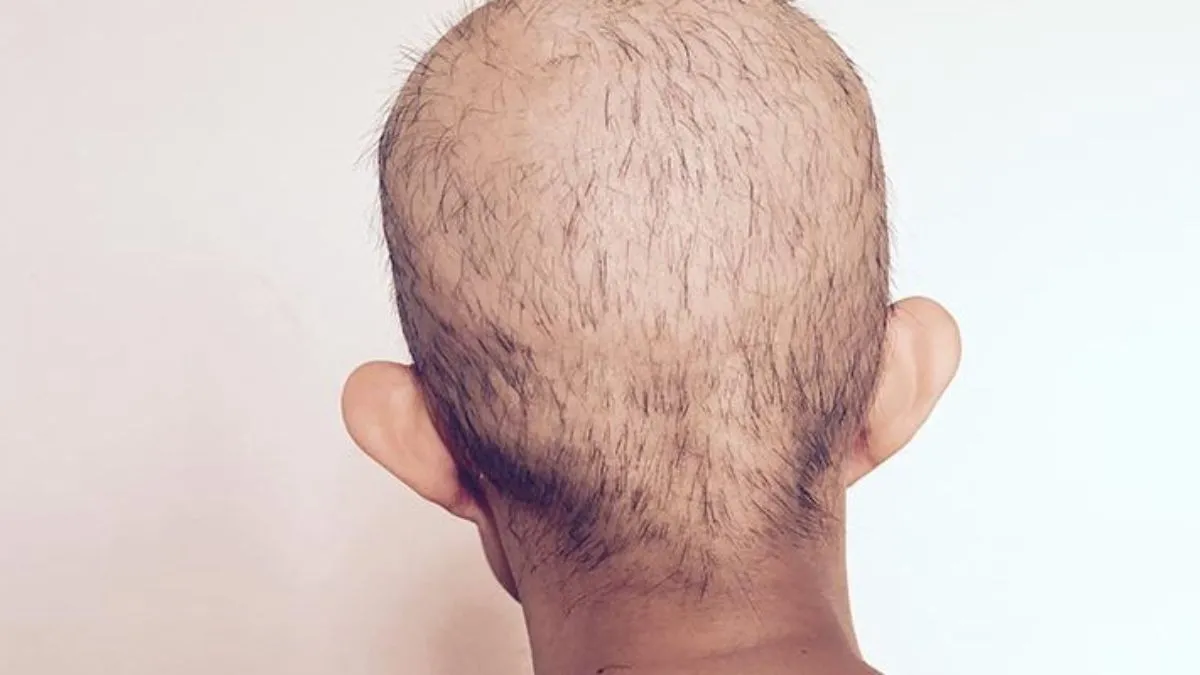
Watching your hair slowly grow back after chemo can feel like a long wait. So it makes sense to look for anything that might speed things up. Vitamins are usually the first thing people try. But do they actually work? "Only if there's an actual deficiency," says Dr Sachin Sekhar Biswal, Consultant, Medical Oncology at Manipal Hospitals, Bhubaneswar. Here is what he wants patients to know before reaching for supplements during regrowth.
Can Vitamins Really Help Hair Grow Back After Chemo?
Dr Biswal is clear on this point. "Vitamins like biotin or iron support regrowth when a person is genuinely lacking them, but they won't speed up hair growth beyond normal for someone who's already getting enough through diet."
His advice is simple. Get a blood test first. As he puts it, "Getting a blood test to check for real deficiencies before starting supplements is generally more useful than taking them on the assumption that they'll help."
According to a 2025 review in Nutrients, researchers grouped nutritional supplements for breast cancer patients into four categories: safe, cautious, debated, and contraindicated.
Vitamin D and vitamin B6 were considered safe during chemotherapy, with B6 possibly helping protect against chemo-related hair loss. Biotin was placed in the cautious category.
It's non-toxic on its own, but it can interfere with important blood tests that oncologists use to check tumour markers, so doctors are advised to have patients stop it at least a week before bloodwork.
Supplements like folate, iron, and vitamin B12 fell into the debated category, since some studies linked them to poorer outcomes when taken during chemotherapy.
ALSO READ- When Does Hair Actually Fall Out After Chemo? An Oncologist Breaks Down the Timeline
Does Biotin Specifically Help With Hair Regrowth After Cancer Treatment?
It can help. But again, only under one condition. "It can help, but only if there's an actual biotin deficiency," Dr Biswal explains. He notes that patient experiences vary widely. "Many patients online report noticeably faster hair regrowth after starting biotin, while others found it made no real difference."
The pattern he sees is consistent. "The general consensus among those who've been through treatment is that supplements work best when they're correcting a genuine gap in nutrition rather than being taken on the assumption that more vitamins equals faster growth."
According to Ohio State Health and Discovery, there's little scientific evidence that biotin actually helps hair grow back for people with cancer.
It's rare to be biotin deficient in the first place, since the vitamin is found in everyday foods like eggs, fish, and meat. Dr Brittany Dulmage, an oncodermatologist at Ohio State, says most patients trying biotin aren't actually correcting a real gap in their diet.
She recommends minoxidil instead, since it's FDA-approved for hair loss and backed by real evidence. If minoxidil doesn't help after a few months, she suggests seeing a dermatologist to explore other options.
Are There Other Nutrition Strategies That Help?
Vitamins are only part of the picture, according to Dr Biswal. He points out that "some patients used fortified nutritional drinks to support overall calorie and vitamin intake during recovery, particularly when appetite was low."

His takeaway is broader than any single pill. "The overall theme was that broad nutritional support, not just a single vitamin, supports hair and overall recovery better."
What Other Options Do Patients Use for Regrowth?
Beyond diet, a few other approaches came up often. Dr Biswal says, "Minoxidil was mentioned as one of the few treatments with actual evidence behind it for supporting regrowth. Some patients also used gentler alternatives depending on their household situation."
Scalp care routines were common too. According to Dr Biswal, "scalp care routines like applying castor oil before bed a few times a week, or using shampoos with added avocado and rosemary oil, were also commonly mentioned as supportive, if unproven, additions to a hair care routine during regrowth."
Are There Risks With Taking High Doses of Supplements Like Biotin?
Yes, and this part matters. Dr Biswal warns, "Several patients cautioned that taking high doses of biotin without an actual deficiency didn't just fail to help, it also caused new problems, including cystic acne breakouts."
His conclusion is straightforward. "This reinforces the message that more isn't automatically better, and supplementation should be need-based rather than precautionary."

According to a 2024 review published in the journal Cancers, researchers looked at the darker side of dietary supplements, something most studies overlook. Supplement use has grown massively in recent years, driven by a "more is better" mindset in marketing.
The review focuses specifically on what happens with long-term, regular, heavy use of these products. It examines existing research linking certain vitamins, minerals, and other supplements to a higher risk of developing cancer, and in some cases, higher cancer-related mortality too.
The authors argue this connection deserves far more attention than it currently gets, especially since most supplement research focuses only on potential benefits, not risks.
What Is the Realistic Timeline for Hair Regrowth?
If there's one word that sums up Dr Biswal's advice, it's patience. "Patience came up as the most repeated theme across patient experiences," he says. "Aside from proven medical options like minoxidil, most patients agreed there's no reliable shortcut, and hair does grow back with time in the vast majority of cases."
His final word on the topic is grounded and practical. "The general advice was to focus on overall health and nutrition, address any real deficiencies, and allow the natural regrowth process the time it needs."
Why Testing Beats Guessing
It's tempting to grab every supplement that promises faster hair growth. But Dr Biswal's advice keeps coming back to one simple step. Test first. Guess later, or better yet, don't guess at all. A blood test tells you what your body actually needs. That turns supplementation into a smart, targeted choice instead of a hopeful gamble, and it helps you avoid the kind of side effects some patients ran into by overdoing it.
ALSO READ- Does Cancer Treatment Differ by Age? We Asked an Oncologist
Conclusion
Vitamins can genuinely help hair grow back after chemo, but only when they're fixing a real deficiency. Skip the guesswork. A blood test, good overall nutrition, and proven options like minoxidil offer a far more reliable path than stacking supplements and hoping for the best. And above all, give it time. Hair does grow back for most patients, even if it takes a while to get there.
FAQ
1. Can stress about hair regrowth actually slow it down?
There isn't strong direct evidence linking stress specifically to slower hair regrowth after chemo. But high stress can affect your overall health and recovery. Focusing on rest, good food, and emotional support may help your body recover better overall, even if it doesn't speed up hair growth on its own.2. Should you mention slow hair regrowth to your doctor, even if it seems normal?
Yes, it's still worth bringing up during follow-up visits. This is especially true if growth feels unusually slow, patchy, or absent well past the expected timeline. Your care team can then check for a real underlying issue, like a genuine deficiency, rather than assuming it will simply resolve on its own.
All possible measures have been taken to ensure accuracy, reliability, timeliness and authenticity of the information; however Onlymyhealth.com does not take any liability for the same. Using any information provided by the website is solely at the viewers’ discretion. In case of any medical exigencies/ persistent health issues, we advise you to seek a qualified medical practitioner before putting to use any advice/tips given by our team or any third party in form of answers/comments on the above mentioned website.

How we keep this article up to date:
We work with experts and keep a close eye on the latest in health and wellness. Whenever there is a new research or helpful information, we update our articles with accurate and useful advice.
-
Current Version
Aug 04, 2026 15:29 IST
Published By : Vivek Kumar
Reviewed By : Dr Sachin Sekhar Biswal