
Losing hair during chemotherapy is one of the most visible, emotionally difficult parts of cancer treatment. So when hair starts growing back, it's natural to want to feel like yourself again, often by reaching for a bottle of hair dye. But regrown hair isn't quite the same as before: it can be finer, more fragile, and a completely different colour. So, is it actually safe to dye it?
Dr Sachin Sekhar Biswal, Consultant, Medical Oncology, Manipal Hospitals, Bhubaneswar, explains, "Generally yes, but timing matters." He adds that hair regrowing after chemo tends to be more fragile, and the scalp can remain sensitive for a while after treatment ends.
Why Does Hair Change Colour After Chemotherapy?
According to Dr Biswal, “one of the most surprising parts of hair regrowth after chemo is the colour change. Many patients find their hair grows back grey, white, or noticeably different from its natural shade, and there's a clear biological reason for this.”
He further explains that chemotherapy affects the cells responsible for producing melanin, the pigment that gives hair its natural colour. These pigment-producing cells sit within the hair follicle, and chemotherapy drugs, designed to target fast-dividing cells throughout the body, can temporarily disrupt how they function.
When hair starts regrowing after treatment, these cells often need time to switch back on properly. This is why regrown hair frequently comes back grey or white before gradually shifting closer to its natural colour over several growth cycles.
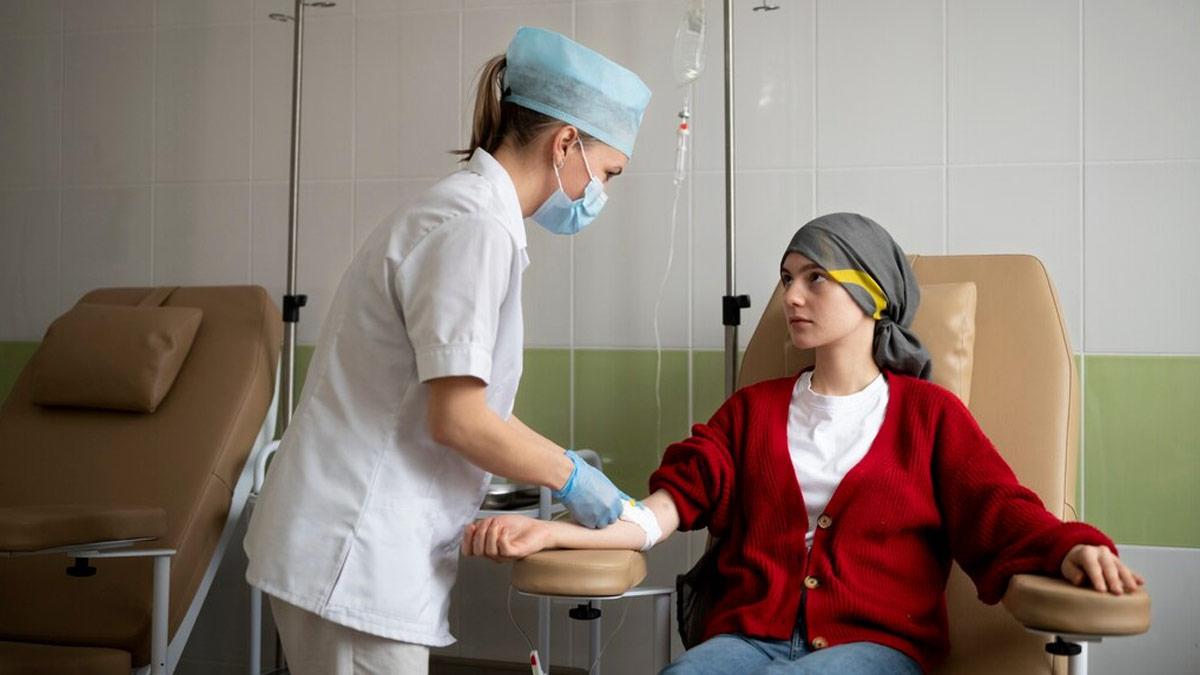
According to Cancer Research UK, hair does not always grow back the same after chemotherapy. The change depends on which chemotherapy drugs were used. Some drugs make hair fall out completely. Others just make it thinner or change its texture. When hair grows back, the colour may be different.
As per the study, the texture may change too. Hair may become curlier or straighter than before. So a colour change isn't unusual. It's a known, common effect of treatment, not a sign that something has gone wrong. It is also advised speaking to a hairdresser for tips on caring for hair after chemotherapy, and to do a patch test before using dye, even with a product used before.
ALSO READ- When Does Hair Actually Fall Out After Chemo? An Oncologist Breaks Down the Timeline
How Long Should You Wait Before Dyeing Hair After Chemo?
Dr Biswal explains that dyeing too early can do more harm than good to fragile, newly regrown hair. “It is advised to wait at least three to six months after finishing chemotherapy, and ideally until hair has grown to about two to three inches and feels noticeably stronger,” he adds.
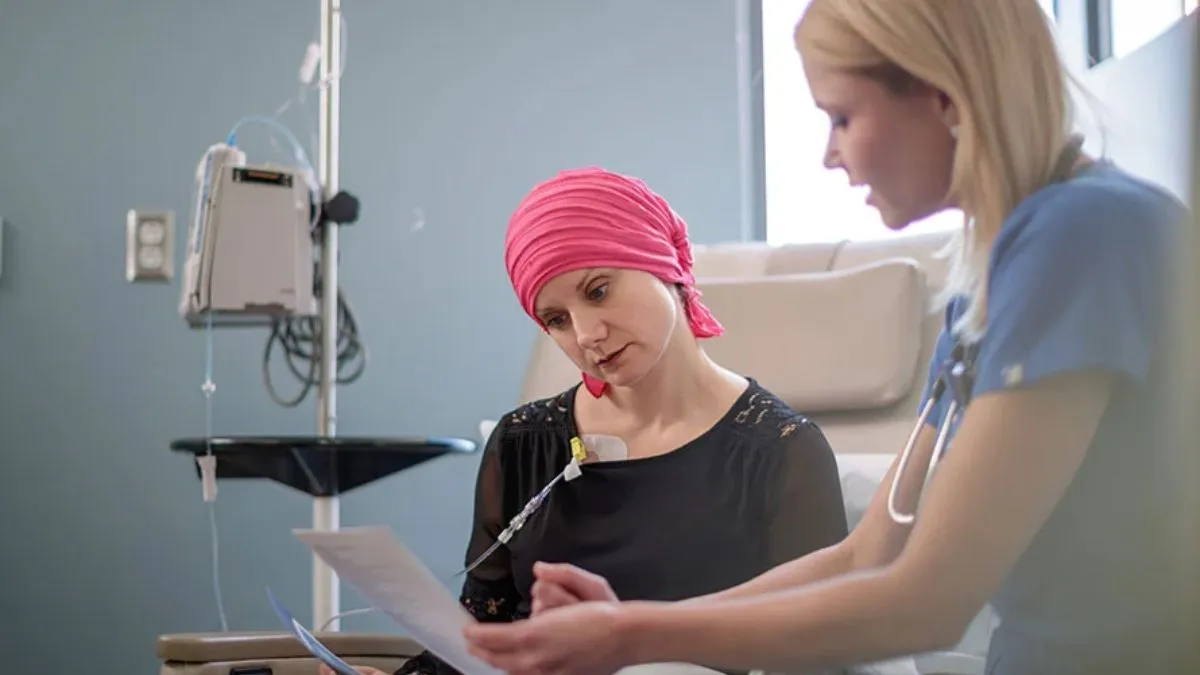
This waiting period gives:
- The scalp time to heal fully from treatment-related sensitivity or irritation
- New hair follicles a chance to stabilise and strengthen
- Regrowing hair a better chance of tolerating chemical exposure without breakage
It's important to confirm timing with your treating doctor rather than relying on a fixed timeline, especially if you're still undergoing other treatments such as radiotherapy or ongoing medication, as these can affect how quickly the scalp and hair recover.
Will Grey Hair After Chemo Stay Grey Forever?
Dr Biswal confirms that its not necessary. “For many patients, grey or white regrowth is a temporary phase rather than a permanent change. As pigment-producing cells in the hair follicles gradually recover their normal function, natural colour tends to return over several growth cycles, though the pace and extent of this varies from person to person,” he added.
That said, permanence isn't ruled out for everyone. Patients who were already genetically predisposed to greying with age may find that the grey regrowth sticks around longer, or becomes a more lasting change, rather than fully reversing.
Can Grey Hair Turn Black (or Its Natural Colour) Again Naturally?
Yes, and this is one of the more reassuring findings for many patients. Dr Biswal explains that as hair follicles recover from the effects of chemotherapy, pigment production can gradually resume, and hair often returns closer to its original colour over the following months.
However, this isn't guaranteed for everyone. “Some patients do notice lasting changes in hair colour, texture, or thickness even well after treatment has ended. If natural colour hasn't returned after a reasonable period and you're keen to dye it, that's where doing so safely becomes relevant,” he added.
Who Should Avoid Dyeing Their Hair After Chemo?
While dyeing is generally considered safe once recovery is underway, it isn't the right choice for everyone at every stage. Dr Biswal explains that you may want to hold off if you fall into any of the following categories:
- Your scalp is still sensitive, irritated, or actively healing from treatment
- Your regrowth is very short or fragile and hasn't reached a stable length
- You're currently undergoing radiotherapy to the head, where the scalp skin needs extra protection
- You have a known scalp allergy or sensitivity to hair dye, which can be heightened after treatment
- You're on ongoing treatment, and your doctor has specifically advised against colouring your hair
- If any of these apply to you, it's worth having a direct conversation with your oncology team before making any decisions about dyeing.
According to the American Cancer Society, some general safety rules apply to anyone thinking about dyeing their hair, and these matter even more after chemo. You should not dye your hair if your scalp is irritated, sunburned, or damaged in any way. This is important for chemo patients, since the scalp often stays sensitive for a while after treatment. A patch test is recommended before every single use, even with a product used before, because allergic reactions can develop over time and may not show up the first time.
The report also notes that some ingredients in hair dyes can cause allergic reactions or hair loss in certain people. So, anyone with sensitive skin, healing scalp tissue, or a history of allergies should be extra cautious, do a patch test first, and check with their doctor before dyeing.
Safe Hair Dyeing Tips for Cancer Survivors
Once you and your doctor agree that the time is right, a few precautions can help protect your regrowing hair and sensitive scalp:
- Always consult your treating doctor before dyeing your hair post-chemo, even if you feel ready
- Do a patch test first: skin sensitivity is often higher after treatment, even if your scalp looks fully healed
- Choose gentler formulas, such as ammonia-free or natural dye options, where possible
- Avoid frequent dyeing until your hair regains its natural strength and texture
- Keep the scalp moisturised and steer clear of harsh chemical treatments alongside colouring
- Be patient with colour changes as many shift back naturally over time without any intervention at all
ALSO READ- Does Cancer Treatment Differ by Age? We Asked an Oncologist
Conclusion
Dyeing your hair after chemo is generally safe, but it's a decision that benefits from patience rather than urgency. Giving your scalp and hair follicles enough time to heal, typically a few months at minimum, reduces the risk of irritation and damage to hair that's still finding its strength again.
FAQ
Is it safe to dye hair during chemotherapy itself, rather than after treatment ends?
No, dyeing hair during active chemotherapy is generally not recommended. The scalp can be more sensitive during treatment, and any remaining hair may be more prone to breakage or irritation from chemical exposure. It's best to wait until treatment has finished and recovery is well underway.Can diet or lifestyle factors influence how quickly hair regains its natural colour after chemo?
While there's no guaranteed way to speed up pigment recovery, general hair health can support the process. Eating a balanced diet, staying hydrated, and avoiding unnecessary heat or chemical styling can help create better conditions for regrowth. However, the pace of colour return is largely determined by how the body's pigment-producing cells recover naturally.
All possible measures have been taken to ensure accuracy, reliability, timeliness and authenticity of the information; however Onlymyhealth.com does not take any liability for the same. Using any information provided by the website is solely at the viewers’ discretion. In case of any medical exigencies/ persistent health issues, we advise you to seek a qualified medical practitioner before putting to use any advice/tips given by our team or any third party in form of answers/comments on the above mentioned website.

How we keep this article up to date:
We work with experts and keep a close eye on the latest in health and wellness. Whenever there is a new research or helpful information, we update our articles with accurate and useful advice.
-
Current Version
Aug 03, 2026 21:45 IST
Published By : Vivek Kumar
Reviewed By : Dr Sachin Sekhar Biswal