
Chemotherapy isn't always given with the same goal in mind. That distinction matters a great deal for patients trying to understand what to expect. "Standard, curative intent chemotherapy is given with the goal of eliminating cancer entirely or achieving long-term remission," says Dr Sachin Sekhar Biswal, Consultant, Medical Oncology at Manipal Hospitals, Bhubaneswar. Palliative chemotherapy serves a different purpose altogether. Here is what he wants patients to understand about both approaches.
What Is the Core Difference Between Chemotherapy and Palliative Chemotherapy?
There is a distinct difference between the two, says Dr Biswal. The goal of standard chemotherapy is to cure the cancer or to have long-term remission. Palliative chemotherapy is used in cases where the cancer is not likely to be cured, often as a part of advanced or metastatic disease.
Let's quickly compare the two:
Aspect |
Standard Chemotherapy |
Palliative Chemotherapy |
Goal |
Eliminate cancer or achieve remission |
Control disease, ease symptoms, improve quality of life |
Typical stage used |
Early or localised cancer |
Advanced or metastatic cancer |
Dosing approach |
Often intensive, aimed at maximum effect |
Balanced against comfort and tolerability |
Flexibility |
Fixed protocols, less room to adjust |
Regularly reassessed, can pause or stop |
Treatment intensity |
Can be more aggressive |
Chosen to minimise side effects |
Is Palliative Chemo Different to Normal Chemo in How It's Given?
"The drugs used are often similar or even the same, but the approach differs significantly," Dr Biswal says. Palliative chemo is typically given at doses and schedules designed to balance disease control with quality of life.
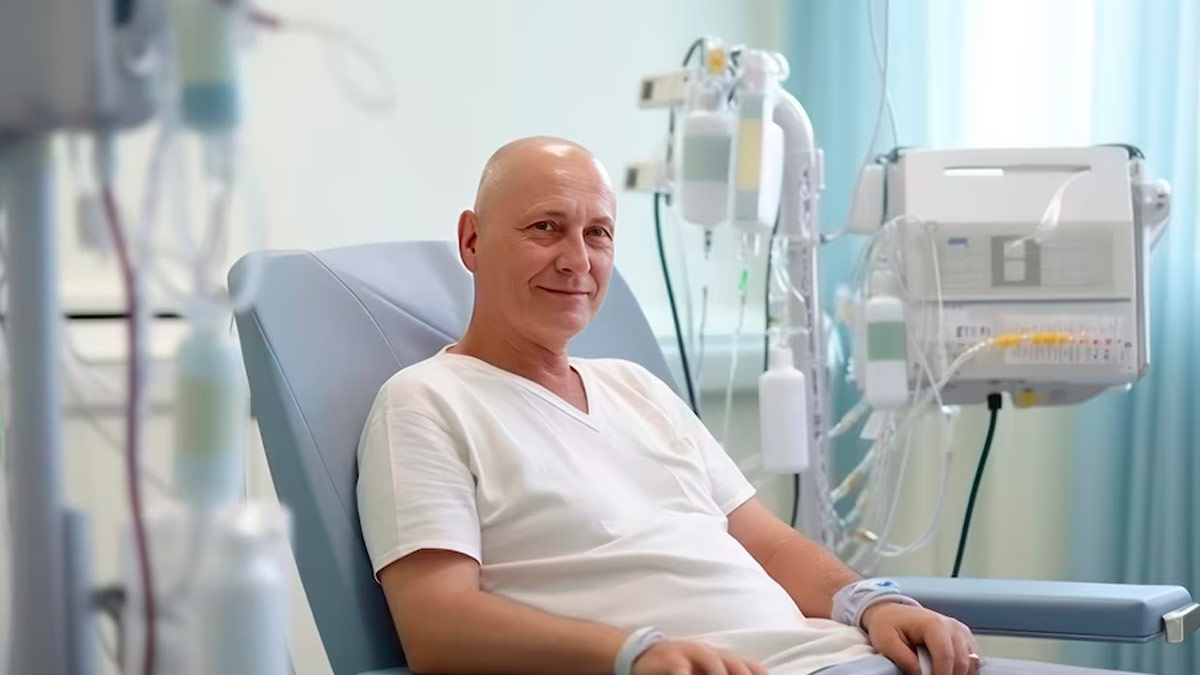
According to Cancer Research UK, palliative care aims to relieve symptoms and improve quality of life, rather than cure cancer. It can be given at any stage after an advanced diagnosis. Importantly, having palliative care doesn't mean someone will die soon. It isn't the same as end-of-life care, which usually applies only in the final 12 months of life. Palliative care can actually last for many years. It includes both non-drug approaches, like relaxation techniques, and drug treatments, such as painkillers, anti-sickness medication, and steroids.
The goal isn't to push the body to its limit for a cure. It's to maintain comfort and function.
Doctors regularly check in on treatment. Dr Biswal explains why. "Doctors regularly reassess whether the benefits still outweigh the side effects, and treatment can be paused, adjusted, or stopped based on how a person is tolerating it." He adds that this flexibility is "something that's less flexible in curative protocols."
How Much Longer Does Palliative Chemo Actually Give You?
There's no single answer here. "This varies widely depending on cancer type, how advanced it is, and how well an individual responds," Dr Biswal notes.
A few key points from his explanation:
- Research across several advanced cancer types has generally shown that palliative chemotherapy can extend survival by a period ranging from a few months to over a year compared to supportive care alone.
- The exact benefit differs a great deal by cancer type and biology. Studies in advanced lung and colorectal cancers have shown meaningful median survival gains with modern chemotherapy and combination regimens compared to older data.
Dr Biswal is direct about one thing. "It's important that patients ask their own oncologist for numbers specific to their diagnosis rather than relying on general averages, since individual response varies considerably."
How Long Can Someone Survive While Receiving Palliative Care?
"Survival timelines in palliative care depend on the underlying cancer, its stage, and how the disease is progressing, and can range from several months to a few years," Dr Biswal explains.

He's careful to reframe a common misunderstanding. "Palliative care itself isn't a fixed countdown," he says. "It's a supportive approach that can run alongside treatment for months or years in some cases, particularly as newer therapies have extended survival even in advanced disease."
What matters most for prognosis, according to Dr Biswal, comes down to the specific cancer type. How it's responding to treatment. The person's overall health. It is not a single general timeframe.
Is Palliative Chemotherapy Considered Aggressive Treatment?
"Not typically in the way curative chemo can be," Dr Biswal says. Since the aim is symptom control and quality of life rather than eliminating every cancer cell, doses and regimens are often chosen to minimise side effects while still offering meaningful benefit.
But he's quick to add nuance. "Aggressive can mean different things," he explains. "Some palliative regimens are still intensive if a patient is fit and the cancer is likely to respond well, while others are deliberately gentler for patients who are frailer or where the priority is comfort."
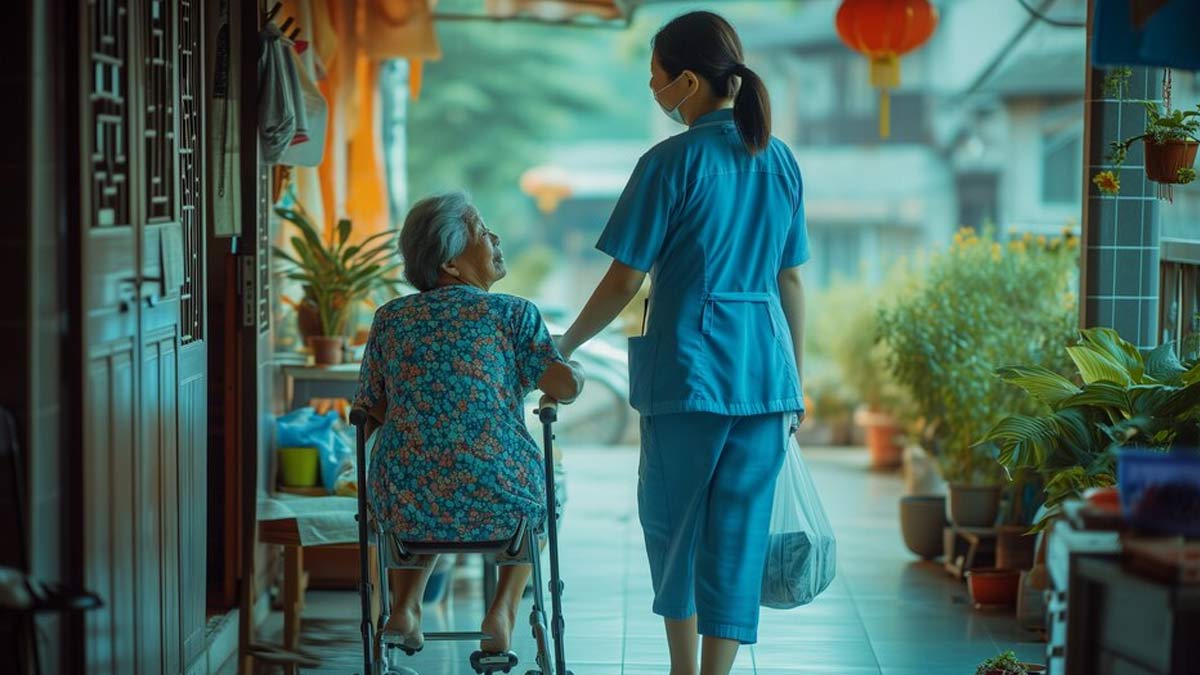
This decision isn't made alone. As Dr Biswal puts it, it's "a decision made collaboratively between the patient and oncologist, factoring in the person's goals, fitness, and how they're tolerating treatment."
According to a 2020 study in Annals of Palliative Medicine, researchers looked at 605 patients who died from advanced cancer in Shanghai. Nearly 59% received palliative chemotherapy in their final year, and 16% received it in their final month. Younger patients, those aged 50 or under, were far more likely to get chemotherapy close to death.
Getting chemotherapy too close to death often means more aggressive, invasive care, without necessarily improving survival or comfort. This is why doctors are encouraged to have honest, timely conversations with patients and families about when to stop treatment, rather than continuing purely out of hope.
Why Understanding the Goal of Treatment Matters So Much
It's easy to assume all chemotherapy works toward the same outcome. Dr Biswal's explanation makes clear that the underlying goal shapes every decision along the way, from dosing to how often treatment gets reassessed. Knowing whether a plan is curative or palliative in intent helps patients ask sharper questions and make more informed choices.
ALSO READ- Does Cancer Treatment Differ by Age? We Asked an Oncologist
Conclusion
Two different types of chemotherapy are available: curative chemotherapy and palliative chemotherapy, which are both used in different ways. One is trying to eradicate or achieve lasting remission. In the other, there is a shift towards control, comfort and quality of life when cure becomes unattainable. Recognising this difference can help patients have more focused and clear communication with their oncologists.
FAQ
1. Can someone switch from curative chemotherapy to palliative chemotherapy partway through treatment?
Yes, this can occur when a cancer doesn't respond to the curative treatment, or when it recurs after the first therapy. The oncology team usually then discusses with the patient the possibility of changing the treatment from a curative to a comfort and quality of life approach.2. Does receiving palliative chemotherapy mean a patient can no longer receive other supportive treatments?
No, palliative chemotherapy is frequently combined with other supportive care, such as pain management, nutrition and emotional/psychological support. It is not a must-do or must-not-do proposition. Palliative chemotherapy is just one of many things to be done by the doctor to ensure good quality of life.
All possible measures have been taken to ensure accuracy, reliability, timeliness and authenticity of the information; however Onlymyhealth.com does not take any liability for the same. Using any information provided by the website is solely at the viewers’ discretion. In case of any medical exigencies/ persistent health issues, we advise you to seek a qualified medical practitioner before putting to use any advice/tips given by our team or any third party in form of answers/comments on the above mentioned website.

How we keep this article up to date:
We work with experts and keep a close eye on the latest in health and wellness. Whenever there is a new research or helpful information, we update our articles with accurate and useful advice.
-
Current Version
Aug 04, 2026 17:02 IST
Published By : Vivek Kumar
Reviewed By : Dr Sachin Sekhar Biswal