For anyone facing a cancer diagnosis, one of the most pressing questions is simple. Will chemo help me live longer? It's a reasonable question to ask, and there is no single answer. Yes, in many cases chemotherapy does prolong life, says an oncologist. The amount of life that is extended depends on the type of cancer, its stage and the individual's response to treatment. This is what an Oncologist says each patient and family should know about chemotherapy treatments. Read on to know more about their actual survival rate and what to look for during the process.
Does Chemotherapy Really Extend Life Expectancy?
Dr Sachin Sekhar Biswal, Consultant, Medical Oncology at Manipal Hospitals, Bhubaneswar, confirms that yes, in many cases chemotherapy could indeed prolong life. However, the extent would depend largely on the type of cancer, stage and the response of the patient to the treatment.
In some cancers, it can cause complete remission and long-term survival. In other cases, especially those with more serious or advanced cancers, chemo can have a more important role in prolonging life by several months or years and may help control symptoms, but may not cure the cancer.
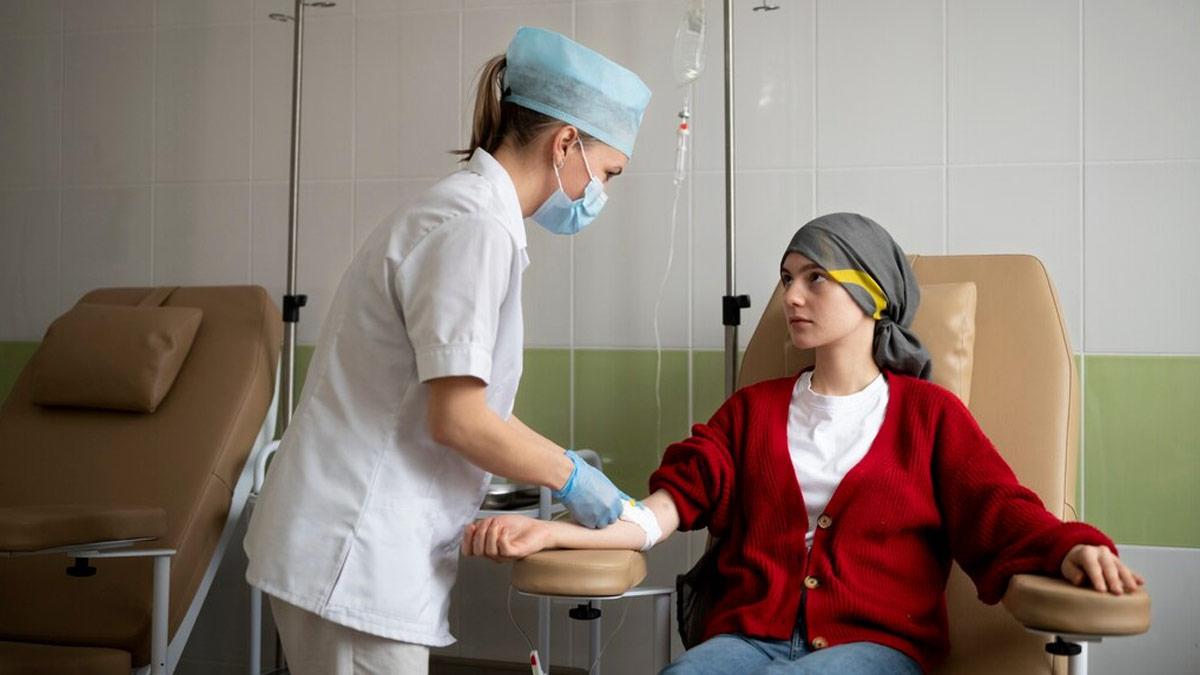
According to a UCLA Health study, researchers gave chemotherapy to patients with advanced pancreatic cancer. It is a very difficult cancer to treat. They compared a combination of 4 drugs to the standard 2-drug therapy in more than 770 patients in the world. The 4-drug group lived an average of 11.1 months, while the 2-drug group lived 9.2 months on average. This equates to about an additional two months of life.
The cancer also remained stable longer when treated with four drugs (7.4 months compared with 5.6 months). This demonstrates that chemotherapy can actually prolong life expectancy, even in one of the more difficult cancers to treat, although it may be a month or a few months in the case of advanced cancers.
How Much Longer Can Chemo Prolong Your Life?
This varies enormously and cannot be answered with one number, according to Dr Biswal. A few examples help illustrate just how wide that range can be:
With the early-stage cancers that are treatable, chemo can extend the normal life expectancy when it is used in combination with surgery or radiation. For advanced cancer, there may be a few months to a few years of life added with chemo, depending on the response to the cancer. These figures have been dramatically improved over the past 10 years by newer combination treatments and targeted drugs.
It's this variety that makes it difficult for oncologists to assign a standard timeline to chemotherapy when they discuss it with patients. Each case is different because of a variety of factors, including the type of cancer diagnosed, its stage of detection and the person's body's reaction to the drugs used.
How Much Chemo Can a Person Have in a Lifetime?
Dr Biswal says there is no definite limit on the lifetime of chemotherapy itself, but for some drugs there is. Some chemotherapy drugs may have a limit on the total dose given because they can harm organs like the heart or kidneys if used repeatedly over time. Anthracyclines, for instance, have a maximum lifetime dose because of risk of heart toxicity. If the limit is exceeded, oncologists will change to another drug or method.
In addition to individual drug levels, the number of chemo cycles can be different for each person depending on their current health, blood cell count and recovery between chemos, Dr Biswal says. It also means that two people can be diagnosed with the same health condition, and their treatments could be very different due to the reaction of their bodies during the process.
How Does Chemo Actually Improve Life Expectancy?
The mechanism of chemotherapy is that it kills cells that are growing fast, including cancer cells, says Dr Biswal. It offers a number of benefits for better life expectancy:
- Relieving or removing the tumour size, thus decreasing the cancer burden in the body. The prevention or control of the transfer of cancer from one organ to another.
- Combining surgery and radiotherapy to be more effective. Managing symptoms in advanced cancer, which indirectly helps to maintain overall health and can help with the tolerability of continued treatment.
- The knowledge of these mechanisms can give some explanation on why chemotherapy is combined with other treatments rather than used alone.
- Both approaches have a slightly different effect, and using both together maximises patients' likelihood of a worthwhile improvement in survival.
According to MD Anderson Cancer Center, chemotherapy consists of a series of drugs that shrink and destroy cancer cells. It can be used in various ways for various purposes. Sometimes it's given to try and cure the cancer completely. In other situations, it is employed to "shrink" a tumour prior to surgery. It can also be employed to manage the disease and prolong a person's life, even if a cure is not in sight.
It works by attacking cells that divide quickly, which includes cancer cells. It changes their growth or copying capacity in either of two ways: it damages the cells so that they no longer function normally, or it prevents them from multiplying any more. That's why chemotherapy can help patients live longer in many cases, cause tumour shrinkage, and help to slow the progression of the disease.
What Should Patients Keep in Check During Chemotherapy?
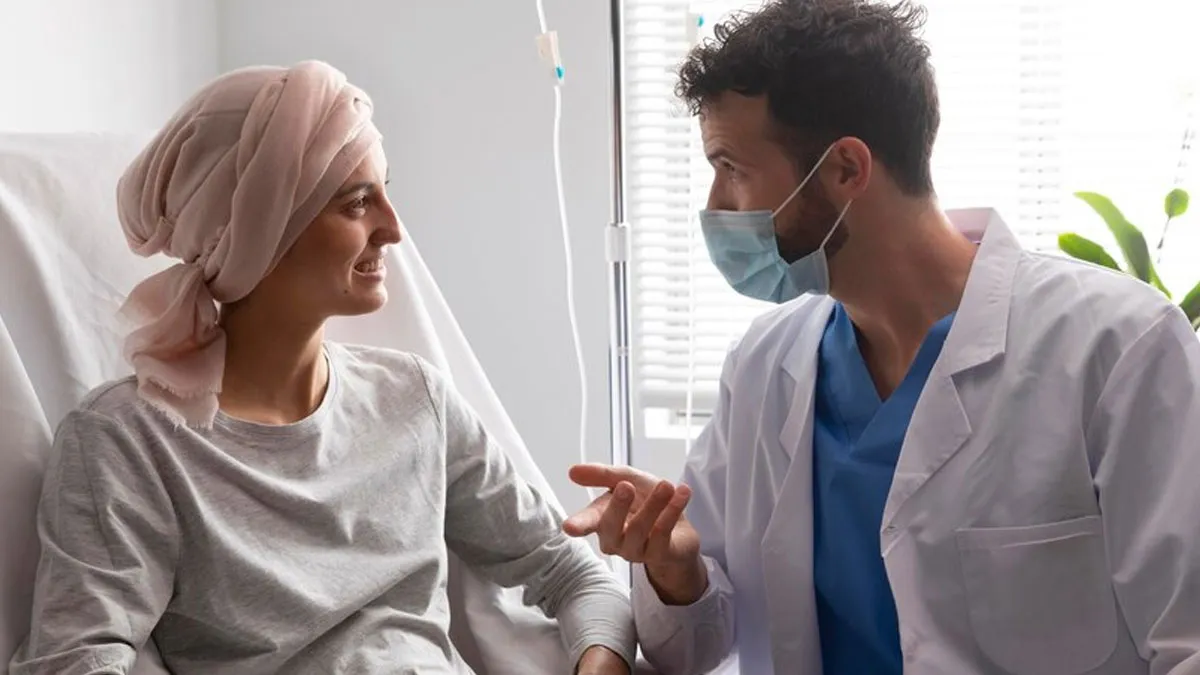
Chemotherapy involves ongoing monitoring, not just the treatment sessions themselves. Dr Biswal outlines several things that need close attention throughout the process:
- Blood counts, as chemo may impact bone marrow function and production of blood cells. Routine blood tests, including organ function tests such as heart, liver and kidney function based on the drugs administered.
- Risk of infection, because chemo may make you more susceptible. Any symptom that is beginning to show signs of fatigue or other side effects, which must be reported to the care team immediately.
- Regular scans or markers to monitor the response to treatment for the cancer.
Being consistent with these checks enables the care team to alter treatment as soon as they think something is not working as it should without waiting until the issue is more severe.
Why There's No Single Answer for Everyone
It's understandable that patients and families want a clear number when asking how much time chemotherapy can add. However, as Dr Biswal explains, cancer treatment is not like this. Two differently diagnosed patients may experience dramatically different results given the same diagnosis, depending on a host of factors, such as tumour biology and tolerance of treatment. That is why it is important to have continuous dialogue with an oncologist to get the most accurate and useful picture for any one patient.
ALSO READ- How Is Childhood Cancer Chemotherapy Different From Adult Chemotherapy? Oncologist Explains
Conclusion
Chemotherapy can have a very real impact on extending lifespan. In some cases, it may make a difference in achieving complete remission, and in others, it may provide months or years of quality life, depending on the type of cancer and the response to treatment.
Being monitored carefully during the treatment process, starting from blood counts through organ functions, helps identify problems early, ensuring treatment remains safe. Individuals should always talk with an oncologist directly to find out what to expect.
FAQ
1. Can chemotherapy be paused and restarted later without losing its effectiveness?
Sometimes, treatment is deliberately planned with breaks between courses to help the body recover, which doesn't affect its ability to respond to the treatment as a whole. This should always be decided by the oncology team rather than a person making a decision alone. However, the decision to pause treatment is dependent on the type of cancer and how it's responding.2. Does age affect how well a person tolerates chemotherapy and its impact on survival?
A patient's age may be a factor because older individuals could be more susceptible to other health issues that impact treatment effectiveness; however, age is not a factor in treatment effectiveness. The benefit in terms of survival may be more important than age when predicting overall health, organ function and response to the specific cancer treatment.
All possible measures have been taken to ensure accuracy, reliability, timeliness and authenticity of the information; however Onlymyhealth.com does not take any liability for the same. Using any information provided by the website is solely at the viewers’ discretion. In case of any medical exigencies/ persistent health issues, we advise you to seek a qualified medical practitioner before putting to use any advice/tips given by our team or any third party in form of answers/comments on the above mentioned website.

How we keep this article up to date:
We work with experts and keep a close eye on the latest in health and wellness. Whenever there is a new research or helpful information, we update our articles with accurate and useful advice.
-
Current Version
Jul 29, 2026 20:19 IST
Published By : Vivek Kumar
Reviewed By : Dr Sachin Sekhar Biswal