-1784545101449_m.webp)
Beating childhood cancer is a huge milestone, but for many families, the journey doesn't fully end when treatment does. Some effects of treatment don't show up right away. They may reappear years or even decades later. What are these late effects then, and how can families be prepared for them? Read on to know what an oncologist wants parents and survivors to know about life post childhood cancer treatment.
Can Childhood Cancer Treatment Cause Long-Term Effects?
Dr Ankur Nandan Varshney, Senior Consultant, Medical Oncology, Haematology and Bone Marrow Transplant at Medanta Hospital, Noida, confirms that yes, it can. He explains that because children's bodies are still growing and developing, cancer treatment can affect them differently from adults, and effects sometimes surface only years after treatment ends. This is often referred to as "late effects."
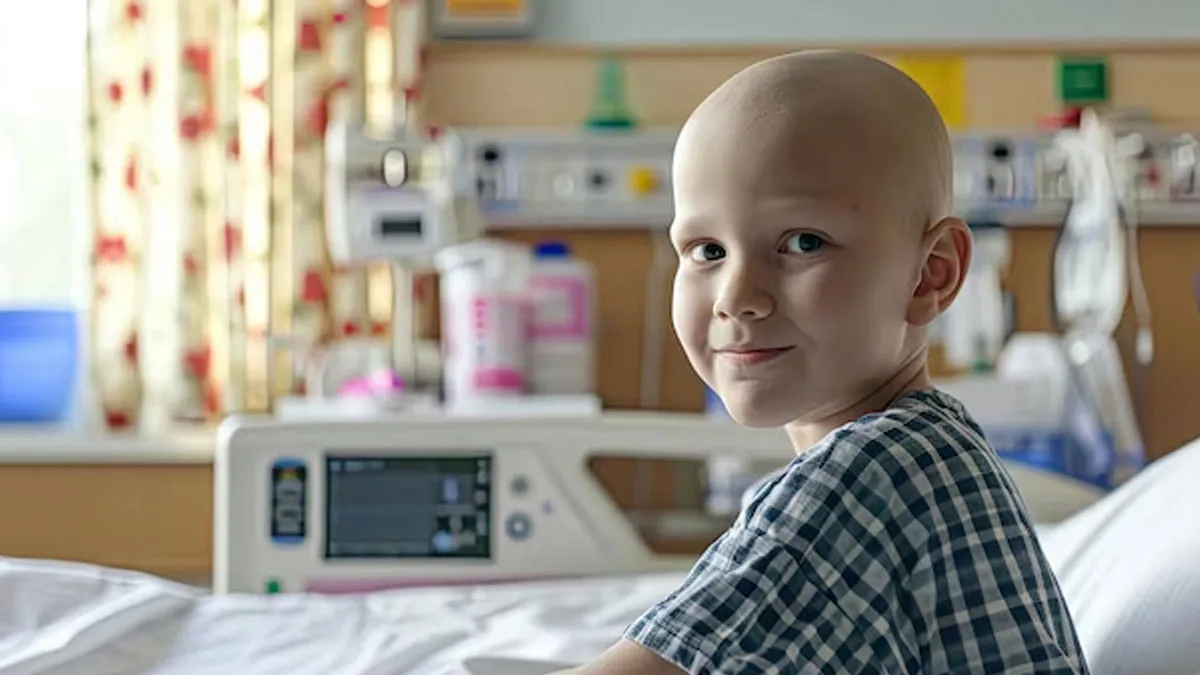
According to a 2025 review in the World Journal of Clinical Cases, preventing late effects mainly comes down to long-term monitoring, not avoidance. Doctors suggest regular health examinations of the heart, hormones and bones, dual-energy X-ray tests for at-risk survivors and regular exercise supplemented with sufficient calcium and vitamin D intake.
How Does Childhood Cancer Treatment Affect the Body Long-Term?
According to a study from India published in JCO Global Oncology, over 3,000 childhood cancer survivors were tracked, with most (62%) having no or only mild long-term effects. Common issues included thyroid problems, other hormone-related conditions, and psychosocial difficulties, which affected over half the group.
According to Dr Varshney, the impact depends on the treatment type, dose, and the body area treated. The main areas affected include:
Growth and development – reduced growth, especially if radiotherapy involved the brain, spine, or growth plates
- Fertility – certain chemotherapy drugs and pelvic or abdominal radiotherapy can affect future fertility
- Heart and lungs – some chemotherapy drugs, such as anthracyclines, and chest radiotherapy can affect heart function or lung capacity over time
- Cognitive effects – particularly with brain radiotherapy or certain chemotherapy in very young children, affecting learning, memory, or concentration
- Hormonal issues – thyroid problems or other endocrine effects, especially with head, neck, or brain radiotherapy
- Bone and joint issues – reduced bone density and joint problems
- Second cancers – a small increased risk of developing a different cancer later in life, particularly with radiotherapy
- Hearing loss – linked to certain chemotherapy drugs, such as cisplatin
- Kidney effects – associated with specific chemotherapy agents
When Do These Late Effects Show Up?
This ranges across a spectrum of time, and it is this that makes the continuous monitoring so important, as Dr Varshney explains:
- Some results will be seen within 1-5 years of treatment.
- Some side effects, like trouble getting pregnant, heart disease, or second cancers, can occur 10, 20 or even 30 years or more after treatment.
- Growth and hormonal effects may be detected during puberty, even if treatment has been received in childhood.
- Cognitive effects may only become apparent as the child reaches school age and academic demands increase
- This is why long-term follow-up is necessary, not only short-term monitoring following treatment, says Dr Varshney.
How Are Late Effects Managed or Prevented?
According to the American Cancer Society, childhood cancer treatment can affect hormones, bones, hearing, teeth, the heart, and lungs, sometimes years after treatment ends. Radiation to the head can impact growth and hormone production, while certain chemotherapy drugs can affect the heart, ears, or bones.
Survivors are advised to see specialists like endocrinologists or cardiologists, get regular screenings, and share their full treatment history with every doctor, since these effects often only surface much later in life.
While not every late effect can be avoided, Dr Varshney outlines several steps that can help manage and reduce risk over time:
- Lifelong follow-up care with a survivorship clinic or oncologist, even decades after treatment
- Regular monitoring of heart, lung, kidney, and hormone function based on the specific treatment received
- Fertility preservation discussions before starting treatment, where possible
- Bone density checks and adequate calcium and vitamin D intake
- Routine cancer screening as an adult, given the slightly elevated risk of second cancers
- Psychological and academic support if cognitive effects are present
- Maintaining a healthy lifestyle, including a balanced diet, regular exercise, and avoiding smoking, to reduce additional risk factors
Why Long-Term Follow-Up Matters So Much
When treatment is complete and scans are negative, it's easy to think the road to health is finished. However, as Dr Varshney points out, some of the most profound impacts become evident years, if not decades, after the fact. Long term follow up is not forecasting the worst. It's about identifying problems at an early age when they're easier to handle and providing the highest quality of life to survivors well into their adult lives.
ALSO READ- What is Neuroblastoma: Why It Affects Infants and Toddlers, Expert Shares
Conclusion
While a childhood cancer survivor can lead a full and healthy life, it is important to keep in touch with a survivorship clinic or oncologist long after treatment is completed to identify and treat late effects early. A combination of awareness, regular monitoring, and a healthy lifestyle can have a positive impact on long-term outcomes.
FAQ
1. Do all childhood cancer survivors experience late effects?
No, not all survivors get late effects, and the chance of getting late effects varies widely based on the kind of treatment, dose, and location of treatment. Individualised follow up care is important because some survivors have no long-term effects after their experience.2. Can lifestyle choices in adulthood reduce the risk of late effects worsening?
Yes, to some extent. Although lifestyle changes can't reverse treatment effects that have already occurred, a healthy weight, regular exercise, a balanced diet and avoiding smoking can help lessen the extra strain on the heart, lungs and other organs which may be even more sensitive.
All possible measures have been taken to ensure accuracy, reliability, timeliness and authenticity of the information; however Onlymyhealth.com does not take any liability for the same. Using any information provided by the website is solely at the viewers’ discretion. In case of any medical exigencies/ persistent health issues, we advise you to seek a qualified medical practitioner before putting to use any advice/tips given by our team or any third party in form of answers/comments on the above mentioned website.
How we keep this article up to date:
We work with experts and keep a close eye on the latest in health and wellness. Whenever there is a new research or helpful information, we update our articles with accurate and useful advice.
-
Current Version
Jul 20, 2026 16:58 IST
Modified By : Vivek Kumar Jul 20, 2026 16:58 IST
Published By : Vivek Kumar
Reviewed By : Dr Ankur Nandan Varshney