
Most expectant parents know smoking during pregnancy isn't good for the baby, but few realise just how far-reaching the effects can be. Could it actually raise the risk of childhood cancer? The short answer: yes, there's an established link, though it's one of several contributing factors rather than a guaranteed cause. Here's what an oncologist wants parents to understand about how smoking during pregnancy can affect a baby's long-term health.
Link Between Smoking in Pregnancy and Childhood Cancer?
Dr Ankur Nandan Varshney, Senior Consultant, Medical Oncology, Haematology and Bone Marrow Transplant at Medanta Hospital, Noida, confirms that yes, there's an established link. He explains that several studies have shown smoking during pregnancy raises the risk of certain childhood cancers, including some leukaemias, though it remains one of several contributing factors rather than a guaranteed cause.

According to a 2024 study from Pediatric Blood & Cancer, researchers compared childhood cancer patients with healthy children. It used questionnaires and hair cotinine testing, a biological marker of tobacco exposure. Children with cancer had noticeably higher cotinine levels in their hair compared to the healthy children, meaning they had been exposed to more secondhand smoke. This difference was statistically strong, not just a chance finding.
The researchers concluded smoking as a genuine risk factor for childhood cancer, and recommend pairing cotinine testing with questionnaires in future studies to reduce reporting bias.
How Does Smoking During Pregnancy Lead to Childhood Cancer?
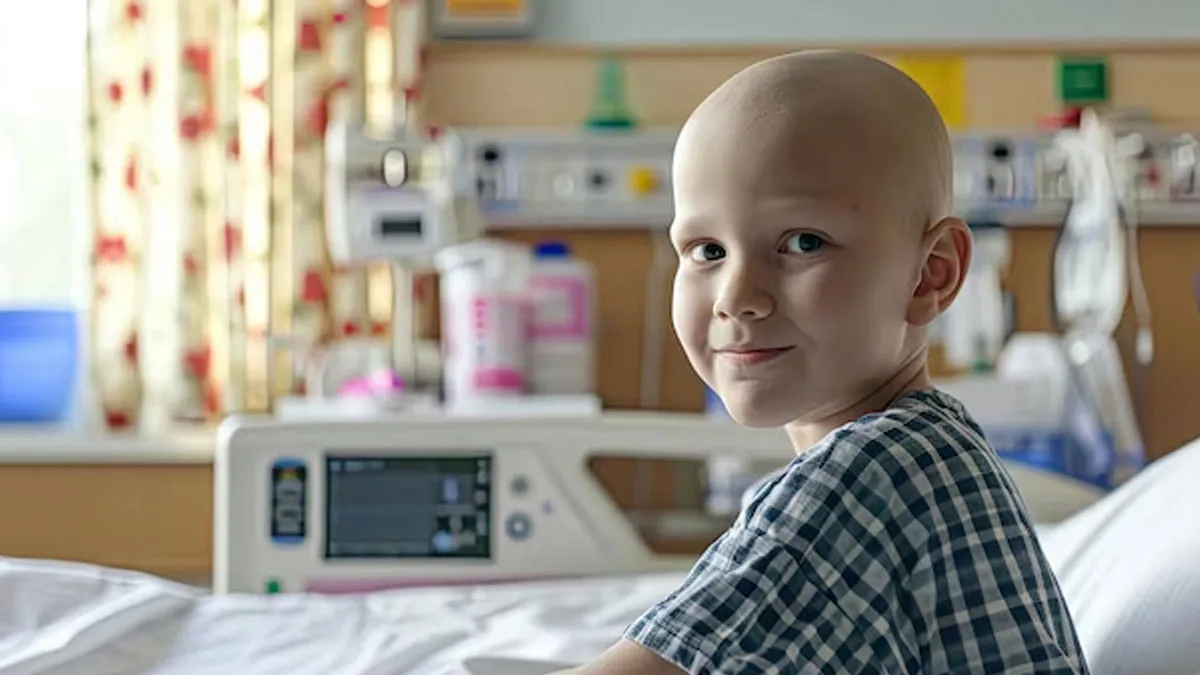
According to Dr Varshney, tobacco smoke contains carcinogens, or cancer-causing chemicals, that cross the placenta and reach the developing baby. These chemicals can:
- Damage DNA in developing cells, increasing cancer risk
- Reduce oxygen supply to the baby, affecting healthy growth
- Disrupt normal cell development during critical growth stages
- Since a baby's cells are dividing and developing rapidly in the womb, Dr Varshney notes that exposure to these chemicals at this stage can have a lasting impact.
According to a meta-analysis published in PLOS One, researchers reviewed 62 studies covering over 24,000 childhood cancer cases to check links with maternal smoking during pregnancy. They found smoking raised the risk of brain and nervous system tumours, and possibly lymphoma, though this link weakened in further analysis.
Leukaemia showed no clear connection at all, suggesting smoking's impact on cancer risk isn't the same across every childhood cancer type.
Does Passive Smoking During Pregnancy Carry the Same Risk?
Yes. Dr Varshney explains that passive or secondhand smoke exposure during pregnancy carries similar risks, since the harmful chemicals in smoke can still be inhaled and passed on to the baby, even if the mother herself doesn't smoke.
According to a 2026 systematic review published in Toxicology Letters, tobacco smoke contains harmful chemicals that cross the placenta and reach the developing baby. Before 18 weeks, the blood-brain barrier isn't fully formed, so these chemicals can enter the fetal brain more easily. Since the brain grows rapidly throughout pregnancy, this makes it especially vulnerable to damage.
What Other Effects Can Smoking During Pregnancy Have on the Baby?
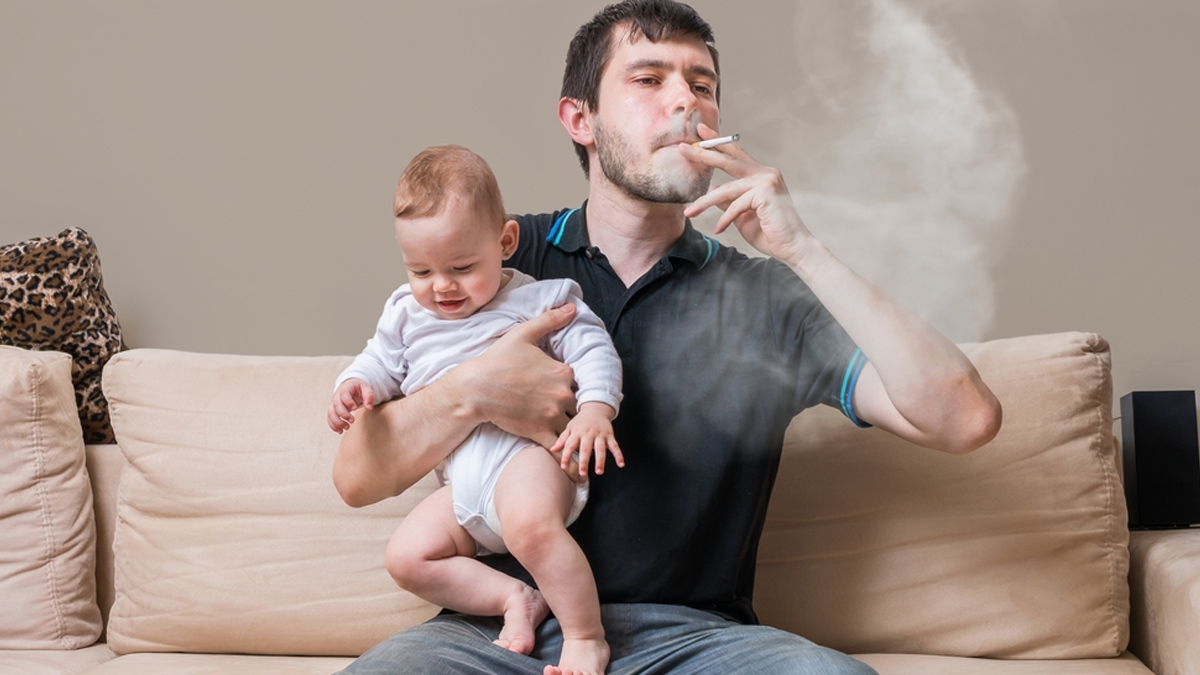
Cancer risk isn't the only concern. Dr Varshney points out that smoking during pregnancy, whether active or passive, is also linked to:
- Low birth weight
- Premature birth
- Birth defects
- Sudden Infant Death Syndrome (SIDS)
- Weaker lung development and a higher risk of respiratory issues in childhood
- Developmental and learning difficulties later on
How Can Expectant Parents Reduce the Risk?
The good news, according to Dr Varshney, is that there's a lot expectant parents can do to lower these risks:
- Quit smoking before or as early as possible in pregnancy, since even quitting mid-pregnancy reduces risk
- Avoid environments with secondhand smoke, including at home and work
- Ask partners and family members to smoke outside or quit alongside
- Seek support from a doctor for smoking cessation programmes if needed
- Attend regular antenatal check-ups to monitor the baby's growth and development
- Maintain overall prenatal health, including a balanced diet, avoiding alcohol, and taking prescribed prenatal supplements
Why Quitting Early Still Makes a Difference
According to the CDC, quitting smoking at any point during pregnancy helps protect both mother and baby, and it's never too late to quit. Even after just one day without smoking, the baby gets more oxygen. Quitting also lowers the chances of the baby being born too early and helps the baby grow better overall. On top of that, the mother gains more energy and breathes more easily too.
It's natural for expectant parents who smoked before finding out they were pregnant to feel worried about the impact already done. But Dr Varshney's guidance is reassuring: quitting at any stage during pregnancy, even midway through, still reduces risk. The sooner smoking stops, the less exposure the baby has during those critical stages of rapid cell development.
ALSO READ- Childhood Cancer Treatment: Oncologist Explains The Long-Term Effects
Conclusion
Smoking during pregnancy, whether active or passive, carries real risks that go beyond birth weight and premature delivery, extending to a raised risk of certain childhood cancers. The encouraging part is that quitting, even partway through pregnancy, meaningfully lowers these risks. Speaking to a doctor about cessation support and attending regular antenatal check-ups can make a real difference for both mother and baby.
FAQ
1. Does smoking before pregnancy also affect the baby's cancer risk?
Smoking before pregnancy is less directly linked to childhood cancer risk than smoking during pregnancy itself, since the baby isn't yet exposed to the chemicals in smoke. However, quitting well before conception can support better overall reproductive health and reduce other pregnancy-related risks.2. Can vaping during pregnancy carry similar risks to smoking?
While research on vaping during pregnancy is still developing, e-cigarettes also expose the baby to nicotine and other chemicals that can cross the placenta. It's generally advised to avoid vaping during pregnancy as a precaution, given the uncertainty around its long-term effects compared to traditional smoking.
All possible measures have been taken to ensure accuracy, reliability, timeliness and authenticity of the information; however Onlymyhealth.com does not take any liability for the same. Using any information provided by the website is solely at the viewers’ discretion. In case of any medical exigencies/ persistent health issues, we advise you to seek a qualified medical practitioner before putting to use any advice/tips given by our team or any third party in form of answers/comments on the above mentioned website.
How we keep this article up to date:
We work with experts and keep a close eye on the latest in health and wellness. Whenever there is a new research or helpful information, we update our articles with accurate and useful advice.
-
Current Version
Jul 21, 2026 15:26 IST
Modified By : Vivek Kumar Jul 21, 2026 15:26 IST
Published By : Vivek Kumar
Reviewed By : Dr Ankur Nandan Varshney