Food and the body are closely related to the health of the hair. Protein, iron, zinc, vitamins and other nutrients are required in sufficient amounts for normal hair foliar growth. However, a handful of what is deemed to be "hair-growth foods" in the diet does not guarantee thicker or faster-growing hair.
Eating certain foods can promote healthy growth, if a nutritional deficiency is a factor in hair loss, but it doesn't fix all forms of hair thinning. Other factors can influence the hair cycle, such as genetics, hormones, stress, disease, and rapid weight loss. So, what foods should you really include on your plate?
Can Food Really Improve Hair Growth?
“Dietary changes genuinely help when hair loss is driven by a nutrient deficiency. They do far less for genetically driven pattern hair loss,” says Dr Karuna Malhotra, Cosmetic Skin Clinic, New Delhi.
A 2025 Nutrition and Health review of 17 studies involving more than 61,000 people found links between hair health and certain dietary factors. Higher vitamin D and iron levels were associated with less alopecia in the studies reviewed. The researchers also pointed out, that there's a need for more studies to understand the direct effect of the diet on hair loss.
7 Food Items That May Support Hair Health
According to Dr Malhotra, these are the picks worth prioritising:
1. Eggs
Eggs are an easy to prepare source of protein and biotin. “The reason protein is important is that hair is mostly composed of keratin. There are also various processes that biotin is part of in the body,” explains Dr Malhotra.
That isn't to say that increasing biotin consumption equals speedier hair growth, though.
A 2024 Journal of Clinical and Aesthetic Dermatology studies on biotin and hair loss found that high-quality evidence supporting biotin supplements for hair growth is limited. One of the better-quality studies found no difference between biotin and placebo for hair growth.
So, eggs are worth including for their overall nutritional value, rather than treating them as a hair-growth medicine.
2. Spinach And Other Dark Leafy Greens
“Spinach, kale and other leafy greens can provide iron, folate and other nutrients. Iron is particularly important when hair shedding is linked to iron deficiency. This can be relevant for women who have heavy menstrual bleeding,” explains Dr Malhotra.
3. Fatty Fish
Salmon, sardines and mackerel provide protein and omega-3 fatty acids. Some also provide vitamin D. Dr Malhotra adds, “Vitamin D has been studied in several forms of hair loss.”
A 2021 Cureus review found that many studies reported lower vitamin D levels in people with conditions such as telogen effluvium, androgenetic alopecia and alopecia areata.
This is an important difference. Having enough vitamin D is useful for overall health. But taking extra vitamin D does not automatically mean your hair will become thicker.
4. Nuts And Seeds
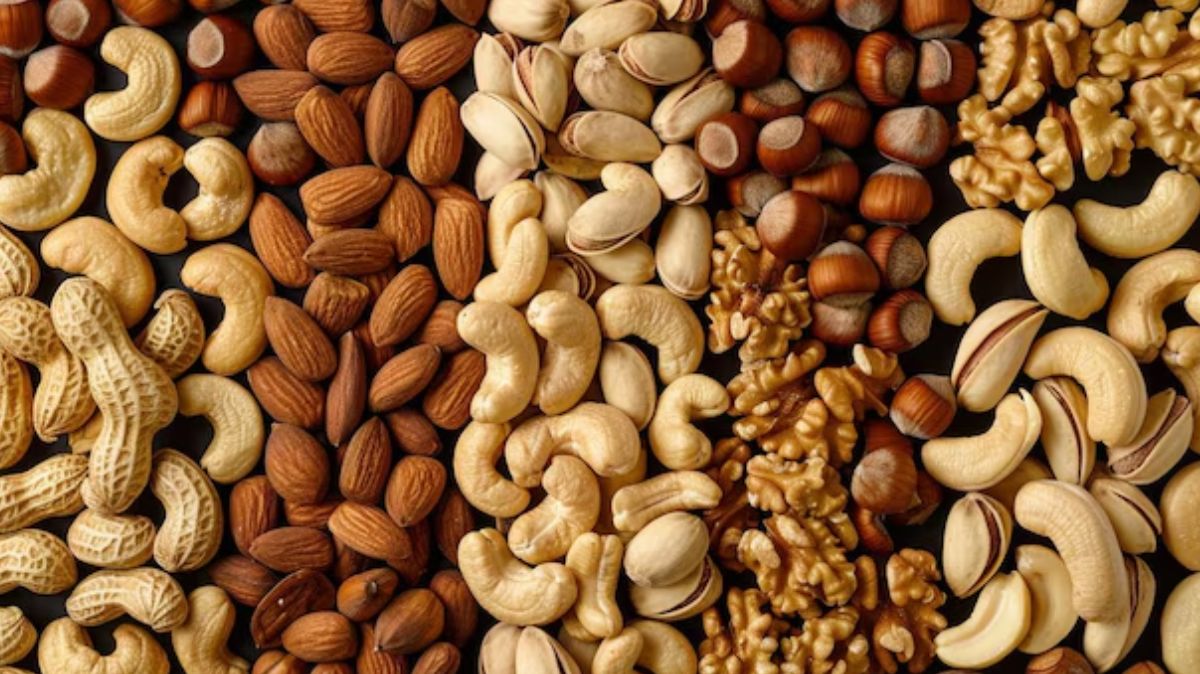
Pumpkin seeds, walnuts, almonds and other nuts and seeds provide nutrients such as zinc, selenium and vitamin E.
Zinc is involved in cell growth and tissue repair. Since hair follicles are active structures, nutritional deficiencies can affect their normal function.
Research also suggests that nutritional status can be relevant in some types of hair shedding. A 2024 Cureus study comparing women with chronic telogen effluvium with controls looked at levels of ferritin, vitamin D, zinc, selenium and other nutrients.
It highlights why checking for possible nutritional factors can be more useful than randomly taking supplements. The key is variety. You do not need large amounts of one particular nut or seed every day.
5. Lentils And Other Legumes
Lentils, chickpeas, kidney beans and other legumes can be especially useful for people following a vegetarian or plant-based diet.
They provide:
- Plant-based protein
- Iron
- Folate
- Fibre
- Other micronutrients
A diet that is consistently low in protein or certain nutrients can affect the hair growth cycle.
This becomes particularly relevant during periods of dieting or rapid weight loss.
6. Greek Yoghurt And Dairy Foods
According to Dr Malhotra, “Greek yoghurt can provide protein, vitamin B12 and other nutrients. Vitamin B12 deficiency can occur more often in people who avoid animal products, although many other factors can contribute to low B12.”
Dairy is not essential for hair health, but it can be one convenient way of getting protein and other nutrients into the diet.
If you do not consume dairy, similar nutrients can be obtained from other foods. The goal is a balanced diet rather than dependence on one food.
7. Sweet Potatoes And Orange Vegetables
Sweet potatoes, carrots and pumpkin are all rich in beta-carotene, and the body can use the beta-carotene to produce vitamin A.
Dr Malhotra explains, “vitamin A has a role in normal skin and cell function. However, more is not better. Excess vitamin A, particularly from supplements, can actually contribute to hair loss. This is one reason getting nutrients mainly through a varied diet is generally preferable to taking high-dose supplements without medical advice.”
Should You Take Hair Supplements With These Foods?
Not automatically, according to Dr Malhotra. There is a common assumption that if a little of a nutrient is good, more must be better. Hair health does not work that way.
A 2023 JAMA Dermatol review looked at 30 studies of nutritional supplements for hair loss. The researchers found some promising results for certain products, but also highlighted limitations in the evidence and called for larger, better-quality trials. Importantly, no diet-based intervention studies met their inclusion criteria.

Dr Malhotra says diet is most useful when it addresses a genuine nutritional gap.
“Supplements aren't automatically better than food, and excess of certain nutrients, particularly vitamin A and selenium, can actively cause hair loss rather than prevent it,” she explains.
When Should Hair Loss Be Checked By A Doctor?
Don't think that just because you are not eating right that is the cause of your hair falling out.
If you see a dermatologist if:
- The hair falls out all at once.
- You start to get bald spots.
- Your scalp is itchy, hurts or looks inflamed.
- The shedding lasts for several months.
- Also, you experience fatigue, unexpected weight loss or changes in your periods.
- You are thinking of taking high doses of vitamins and/or minerals.
Blood tests may be recommended by a doctor, depending on your symptoms and medical history. This is more beneficial than consuming multiple supplements and hoping one of them provides a benefit.
ALSO READ- Is Sunscreen for Hair Really Necessary? Experts Explain If It Really Works
Conclusion
A healthy diet can give your hair follicles the nutrients they need to function normally. That diet includes eggs, leafy greens, fatty fish, nuts and seeds, lentils, yoghurt and orange vegetables. However, no one food is guaranteed to make hair thicker or grow faster.
When hair loss is caused by a deficiency, iron, zinc, protein, vitamin D or B12 is the culprit, diet can be relied upon to help. Diet is very little help with an androgenetic, genetically and hormonally driven alopecia. It's best to examine the underlying cause of the hair loss, and then to adopt a diet as a tool to help address it, but not a magic bullet.
FAQ
What is the time frame for results from diet change in terms of hair change?
The growth rate of hair is slow and changes are not usually seen in a few weeks. If the condition of nutritional deficiency was causing hair loss, it may take months to see improvement after it is fixed.Does protein help to stop hair loss?
While protein is essential for proper hair growth, a high protein diet won't stop all forms of hair loss. People who consume a sufficient amount of protein in their diet probably don't need to increase it to stop genetically triggered hair loss.
All possible measures have been taken to ensure accuracy, reliability, timeliness and authenticity of the information; however Onlymyhealth.com does not take any liability for the same. Using any information provided by the website is solely at the viewers’ discretion. In case of any medical exigencies/ persistent health issues, we advise you to seek a qualified medical practitioner before putting to use any advice/tips given by our team or any third party in form of answers/comments on the above mentioned website.

How we keep this article up to date:
We work with experts and keep a close eye on the latest in health and wellness. Whenever there is a new research or helpful information, we update our articles with accurate and useful advice.
-
Current Version
Sep 17, 2026 10:26 IST
Modified By : Vivek Kumar Sep 17, 2026 10:26 IST
Published By : Vivek Kumar
Reviewed By : Dr Karuna Malhotra