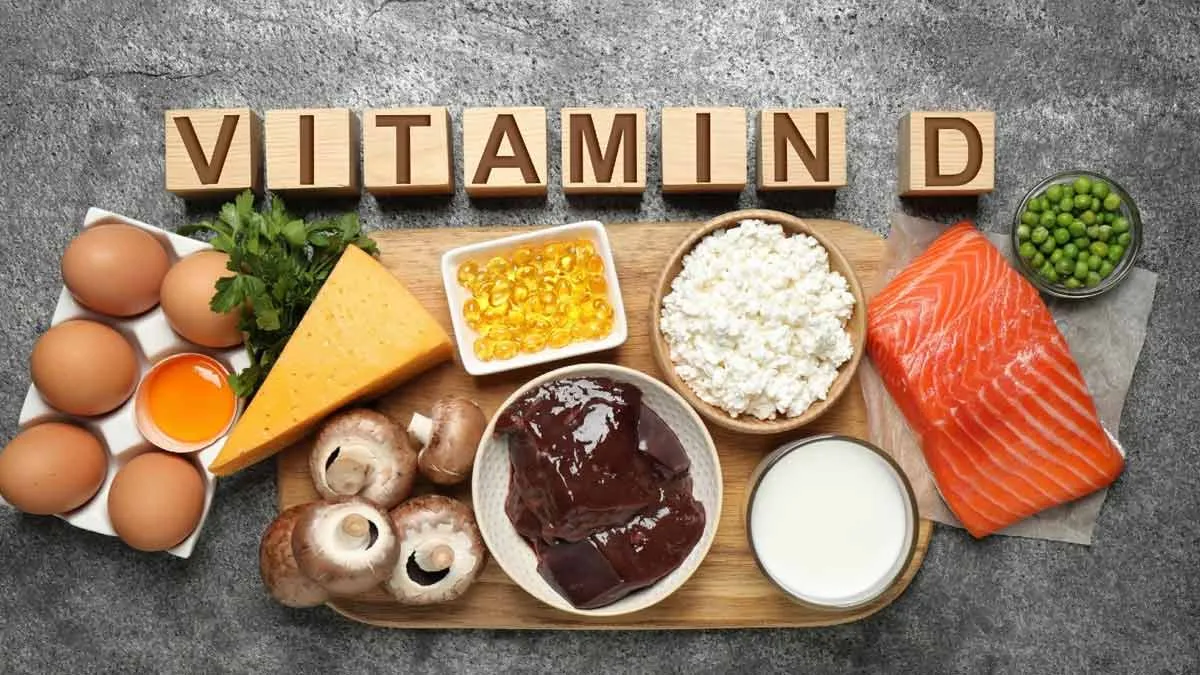
Winter means shorter days, limited sun exposure, and a higher risk of vitamin D deficiency. Known as the sunshine vitamin, Vitamin D remains highly important for bone health, the immune system, and even mood. While supplements are commonly recommended during colder months, many people prefer meeting their nutritional needs through food first. And, according to experts, you can get the required vitamin D, through the winter dishes you eat.
According to our expert,Divya Gandhi, Dietitian and Nutritionist at Divya Gandhi's Diet & Nutrition Clinic, Delhi, one can bridge the deficiency of Vitamin D by making the right dietary choices when there is limited availability of sun rays. Read ahead to know what are these foods and everything she shared with us,
Foods To Have Instead of Vitamin D Supplement in Winter
Here are five expert-approved foods rich in vitamin D, which can be incorporated in one’s diet when Vitamin deficiencies arise during winters:
1. Fatty Fish
Fatty fish is one of the richest natural sources of vitamin D. Salmon fish, sardines, tuna fish, and mackerel not only act as good sources of vitamin D but also have omega-3 fatty acids in them, which help to maintain a healthy heart and prevent any possibilities of inflammation. Eating fatty fish a couple of times a week will help to normalise the deficiency of vitamin D. Here’s how to eat it:
- Grilled salmon
- Fish curry
- Sardine toast
- Tuna salad
 fatty-fish
2. UV Exposed Mushrooms
Mushrooms are one-of-a-kind because, like humans, they also have the capability of vitamin D production when exposed to Ultraviolet (UV) light. UV-light-exposed mushrooms are especially useful for vegetarians or vegans wanting a natural boost in vitamin D. Here’s how to eat it:
- Stir-fry
- Mushroom soups
- Mushroom masala
- Roasted mushrooms as a snack
3. Egg Yolks
Egg yolks contain a good amount of vitamin D along with protein, healthy fats, and essential micronutrients. “It is even said that egg whites are quite beneficial, but as far as nutrients are concerned, egg yolk has more nutrients compared to egg whites,” Divya highlighted. The best way to consume them are:
- Hard-boiled eggs
- Omellets
- Egg bhurji
- Poached eggs
4. Cheese and Yoghurt
Cheese and yoghurt are the dairy products that offer the body small amounts of vitamin D, calcium, and probiotics. Another benefit of yoghurt, particularly the fortified ones, is that they improve digestion and boost the immunity of an individual during winter. The best way to consume them are:
- Yogurt mixture in curry or salad
- Adding cheese to food in moderation
ALSO READ- Can Diabetes Cause Hair Thinning? The Link Between Blood Sugar And Scalp Health
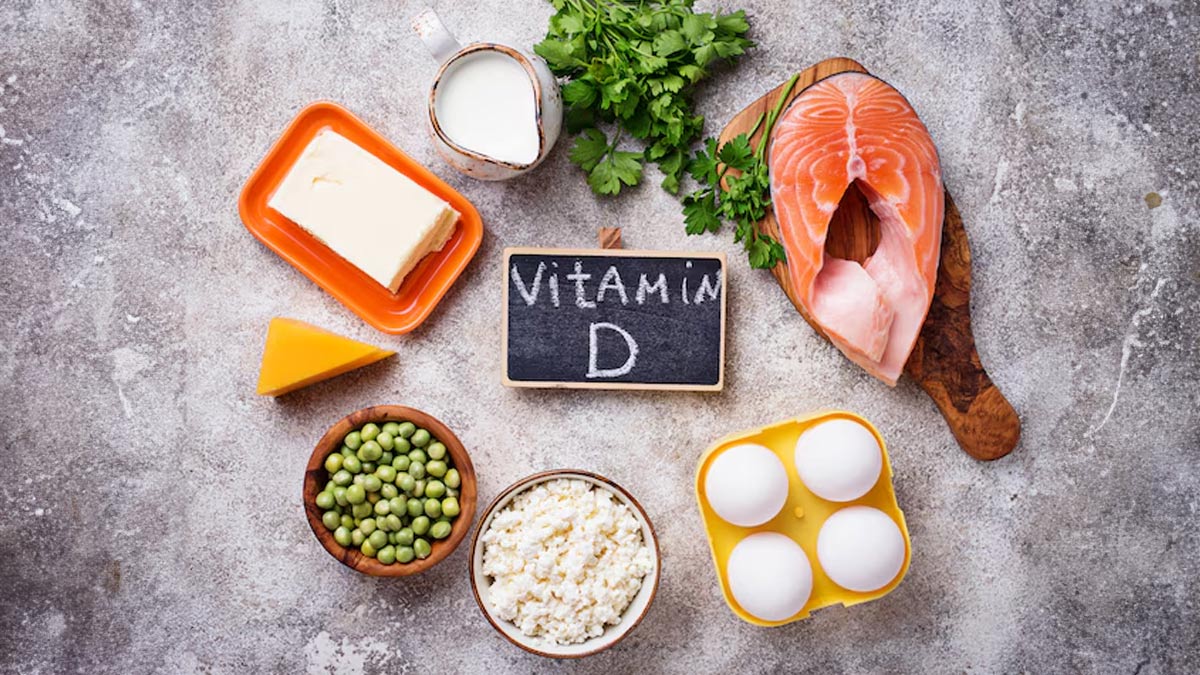 vitamin-D
5. Fortified Foods
Vitamin D-fortified food products are a convenient way of vitamin D supplement intake. Many food brands are fortified with vitamin D from milk, vegetable milk alternatives, to breakfast cereals, to even orange juice, which makes them the perfect meal to take daily. You can eat it as:
- Fortified milk with breakfast, or cereal bowl
- A glass of fortified orange juice
Importance of Food First, Supplement Later
By relying on food sources, the body absorbs vitamin D even better when combined with healthful fats. Foods contain other nutrients essential for different functions in the body to interact and provide synergy not possible with supplements alone.
Bottomline
Winter vitamin D deficiencies do not necessarily need supplementation because a balanced diet including fish, eggs, milk, mushrooms, and fortified food products would help you manage the vitamin D levels.
FAQ
Q1. Can diet alone meet daily vitamin D needs in winter?
For most people, yes, especially while combining vitamin D-rich foods with exposure to sunlight.Q2. Are plant sources of vitamin D effective?
Yes. UV-treated mushrooms and fortified foods are great vegetarian alternatives.Q3. Who needs Vitamin D supplements even after a balanced diet?
People with known deficiency, absorption problems, or minimal exposure to the sun should consult a physician about taking supplements.
All possible measures have been taken to ensure accuracy, reliability, timeliness and authenticity of the information; however Onlymyhealth.com does not take any liability for the same. Using any information provided by the website is solely at the viewers’ discretion. In case of any medical exigencies/ persistent health issues, we advise you to seek a qualified medical practitioner before putting to use any advice/tips given by our team or any third party in form of answers/comments on the above mentioned website.
How we keep this article up to date:
We work with experts and keep a close eye on the latest in health and wellness. Whenever there is a new research or helpful information, we update our articles with accurate and useful advice.
-
Current Version
Dec 17, 2025 17:46 IST
Modified By : Tanya Srivastava Dec 17, 2025 17:46 IST
Modified By : Tanya SrivastavaDec 17, 2025 17:46 IST
Modified By : Tanya SrivastavaDec 17, 2025 17:46 IST
Published By : Tanya Srivastava
Reviewed By : Dt Divya Gandhi