
Sunscreen for skin is a given at this point. But sunscreen for hair? That still sounds unusual to a lot of people. Is it a genuine need, or just another product riding the skincare wave into hair care? While the damage is real and sunscreen can help in preventing the damaging, people should have a clear understanding about it. And for that, we asked two dermatologists, Dr Karuna Malhotra and Dr Rinky Kapoor, Co-Founder and Director, The Esthetic Clinics, Mumbai, to find out.
Does Actually Need Sun Protection?
"Yes, the damage is real and well documented, but it's a different kind of damage than what happens to skin," says Dr Karuna Malhotra, Cosmetic Skin Clinic, New Delhi. She further explains:
- UV radiation doesn't just fade hair colour cosmetically, it structurally degrades the hair itself.
- UVB radiation primarily breaks down the keratin proteins in the hair's cuticle and cortex (protective shield of a hair), weakening the strand's structural integrity.
- UVA penetrates deeper and drives oxidative damage to melanin, the pigment responsible for hair colour, along with generating free radicals that further degrade protein and lipid content.
Over time, this shows up as dryness, brittleness, colour fading, and a rougher texture, especially in colour-treated or already-damaged hair. Dr Rinky Kapoor, Co-Founder & Director, The Esthetic Clinics, Mumbai, agrees on the mechanism. "Just as excessive sun exposure can affect the skin, it can also damage the hair cuticle, resulting in dry, brittle hair and colour fading," she explains. Hair sunscreen is essentially a product that provides protection against UV rays and minimises their effects on the hair shaft and scalp.

This tracks closely with recent lab research. A 2025 study published in the International Journal of Cosmetic Science confirms that UVB breaks down the proteins in hair, especially keratin, by breaking down the disulphide bonds inside, while UVA primarily affects colour and pigmentation by breaking down melanin, penetrating deeply into the hair shaft.
Is Hair SPF Tested and Regulated the Same Way Skin Sunscreen Is?
"No, and this is the part most people don't realise," says Dr Malhotra. Skin sunscreen SPF numbers come from standardised, regulated testing protocols. For hair, no equivalent standard has existed until very recently.
Researchers only proposed a validated method for measuring hair-specific UV protection, sometimes called HSPF, in 2025, specifically because a reliable, universally accepted testing method for hair UV protection claims didn't exist before.
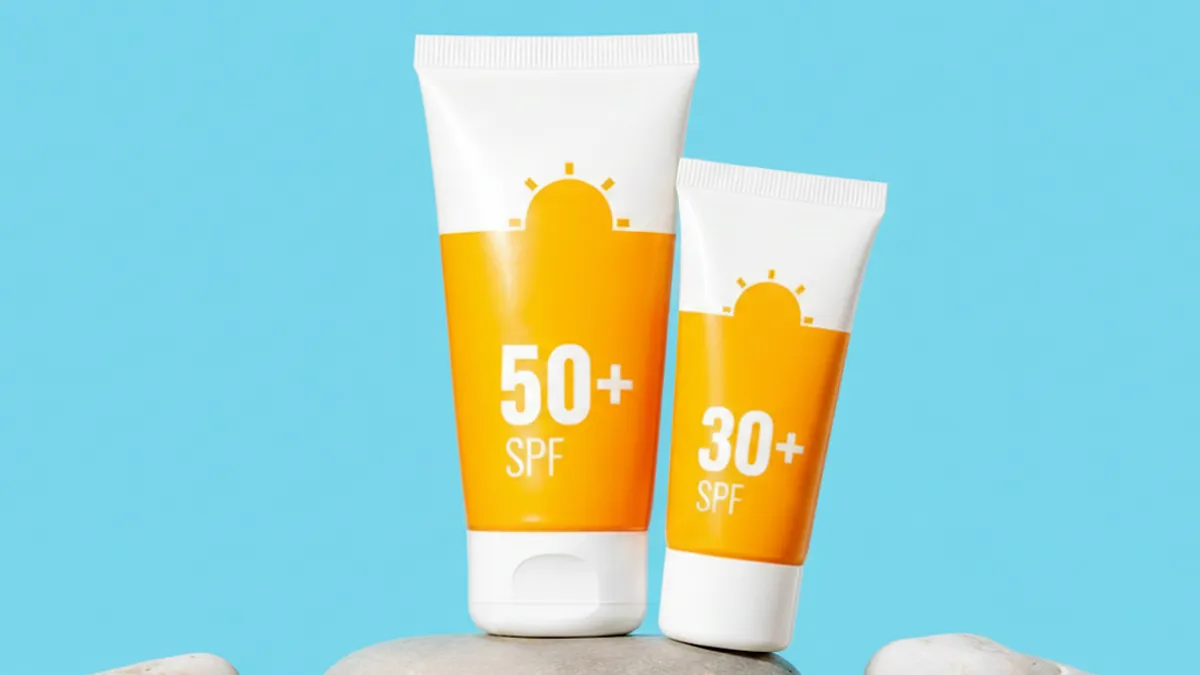
This is a genuinely current development, not an outdated claim. A study published in Skin Research and Technology proposes exactly this new hair SPF, or HSPF, measuring the extent of hair colour change following UV irradiation, tested according to ISO standards.
As Dr Malhotra puts it, an SPF or UV protection claim on a hair product's label historically hasn't necessarily gone through the same rigorous, standardised verification that skin sunscreen claims are required to.
Does That Mean Hair Sunscreen Products Don't Work at All?
"Not necessarily, but it means the numbers on the label deserve more scepticism than a skin SPF number would," Dr Malhotra explains. Some formulations do contain genuine, tested UV filters, ingredients like certain encapsulated organic filters have shown measurable reduction in UV-induced protein loss and colour change in lab studies. The issue is inconsistency across the category, not that hair UV protection is impossible. Not every product claiming it has been tested to the same standard.
Dr Kapoor breaks down how these products actually function. Hair sunscreens work differently depending on their formulation. They may create a protective film over the hair or use UV filters and conditioning agents. However, she's clear on one important distinction: hair sunscreen is different from regular sunscreen used on the face and body, and shouldn't be substituted for one another.
Does Hair Sunscreen Actually Benefit the Hair?
"It can be helpful, especially for individuals who spend a lot of time outdoors," says Dr Kapoor. Ultraviolet rays can cause degradation of the proteins and pigments in the hair, making hair strands brittle and more susceptible to breakage. UV protection products for hair can help minimise damage to hair texture, lustre and colour.
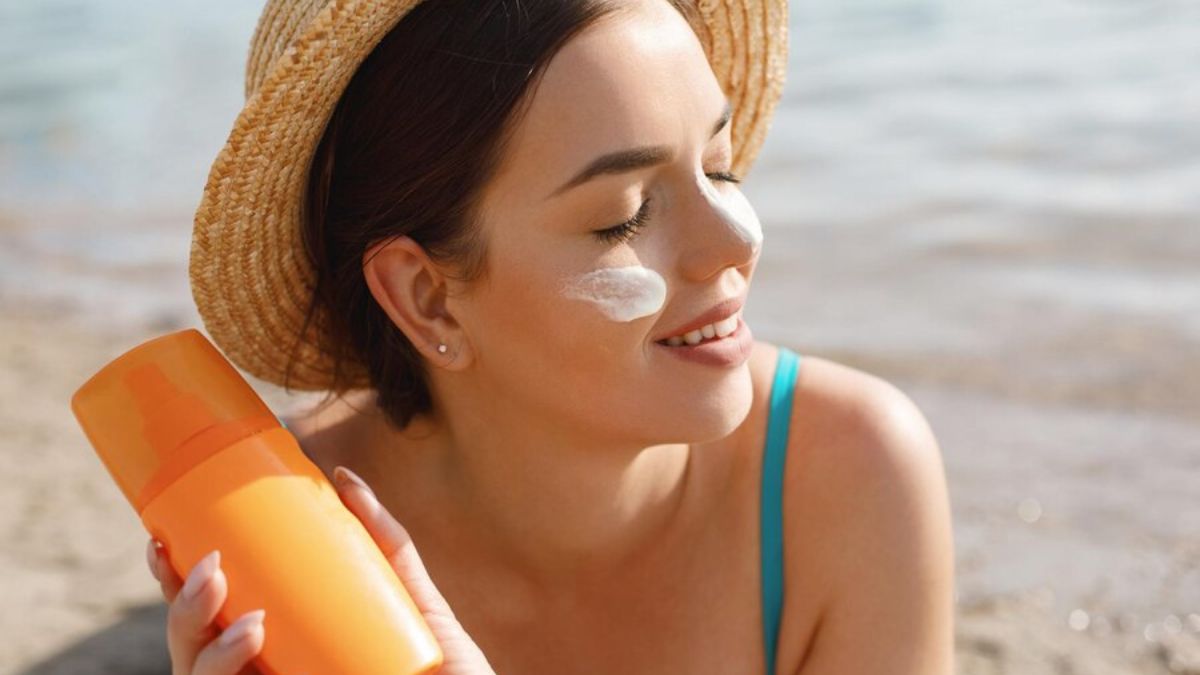
That said, she draws an important boundary. Hair sunscreen should be viewed as a preventive measure rather than a remedy for hair loss or scalp problems. Physical barriers such as hats and scarves can also be highly effective in minimising sun exposure, and remain a reliable option alongside or instead of product use.
Does Hair Sunscreen Have Any Drawbacks?
According to Dr Kapoor, the drawbacks largely depend on the product's formulation:
- Some products may be too heavy and leave residue on the hair, especially when applied in excess, making it feel greasy
- Products containing multiple fragrances or other ingredients may also cause scalp irritation in people with sensitive skin
This is exactly why choosing a product suited to your specific hair and scalp type matters, she explains, rather than assuming any hair sunscreen will work the same way for everyone.
Who Should Avoid Using Hair Sunscreen?
"There is no general rule about who should avoid using hair sunscreen," says Dr Kapoor. However, she flags a few groups who need to be more careful:
- People with a sensitive or irritated scalp should be cautious when using fragranced or strongly formulated products
- If irritation, itchiness, redness or a burning sensation occurs, the product should be discontinued
- Those with a pre-existing scalp condition should consult a dermatologist before trying new products
- Most importantly, she notes, the product should be used correctly and only by those who feel they need the additional protection.
ALSO READ- Does High Testosterone Cause Hair Loss? Dermatologists Explain What's Actually Happening
Conclusion
Hair sunscreen isn't a marketing gimmick, and the UV damage it aims to prevent is genuinely well documented. But because standardised testing for hair UV protection has only just been proposed, in 2025, label claims deserve a more sceptical eye than skin SPF numbers do. For people who spend significant time outdoors, or have colour-treated hair, a well-formulated product can genuinely help, alongside simpler options like hats and scarves. It's a preventive tool, not a cure for existing hair or scalp damage.
FAQ
1. Can regular hair conditioner offer any UV protection on its own?
Standard conditioners aren't formulated or tested for UV protection, so they shouldn't be relied on for this purpose, even though some ingredients may offer minor incidental benefits like reduced dryness.2. Does hair colour or texture change how much UV protection someone actually needs?
It can be. Memory of an earlier infection with another serotype of dengue can influence immune responses, sometimes causing less severe or atypical symptoms the second time, such as less fever but not always.
All possible measures have been taken to ensure accuracy, reliability, timeliness and authenticity of the information; however Onlymyhealth.com does not take any liability for the same. Using any information provided by the website is solely at the viewers’ discretion. In case of any medical exigencies/ persistent health issues, we advise you to seek a qualified medical practitioner before putting to use any advice/tips given by our team or any third party in form of answers/comments on the above mentioned website.
How we keep this article up to date:
We work with experts and keep a close eye on the latest in health and wellness. Whenever there is a new research or helpful information, we update our articles with accurate and useful advice.
-
Current Version
Sep 07, 2026 16:24 IST
Published By : Vivek Kumar
Reviewed By : Dr Karuna Malhotra