-1787726217190_m.webp)
If you've ever assumed that a full head of hair or a receding hairline comes down to how much testosterone someone has, you're not alone. It's one of the most persistent myths in hair health. "Not directly. This is a persistent myth worth untangling carefully," says Dr Pradeep Sethi, co-founder of Eugenix Hair Sciences and an AIIMS New Delhi alumnus.
Testosterone itself is not the primary driver of androgenetic hair loss. Here is what he and Dr Karuna Malhotra, of Cosmetic Skin Clinic, New Delhi, want people to actually understand.
Does High Testosterone Cause Hair Loss, or Is Something Else Responsible?
According to Dr Sethi, what matters is how testosterone is converted into dihydrotestosterone, or DHT, and, more importantly, how genetically susceptible an individual's hair follicles are to androgen signalling.
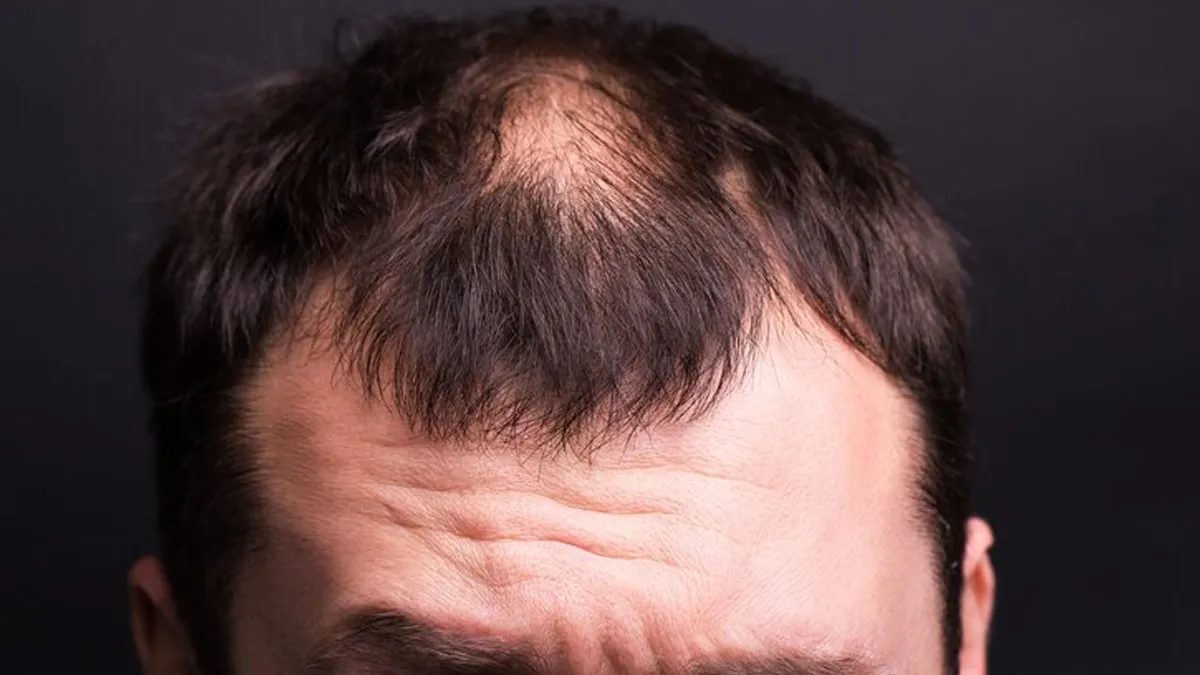
Dr Malhotra also explains it saying, "Someone can have normal or even relatively low testosterone levels and still experience significant hair loss, while someone with higher testosterone may retain a full head of hair. Genetic susceptibility and the follicle's response to androgens are more important than the serum testosterone level alone."
So What's Actually Happening Inside the Follicle?
Dr Sethi breaks down how this works: An enzyme in your body turns testosterone into a stronger hormone called DHT. In people with certain genes, DHT attaches to the hair follicles on the scalp. This causes the hair to grow back thinner and shorter over time until it eventually stops growing altogether.
This is well documented in recent research too. A 2024 clinical reference on Androgenetic Alopecia from StatPearls confirms that individuals with the condition show elevated DHT production, heightened levels of 5-alpha-reductase, and an increased abundance of androgen receptors specifically in the scalp areas affected by balding.
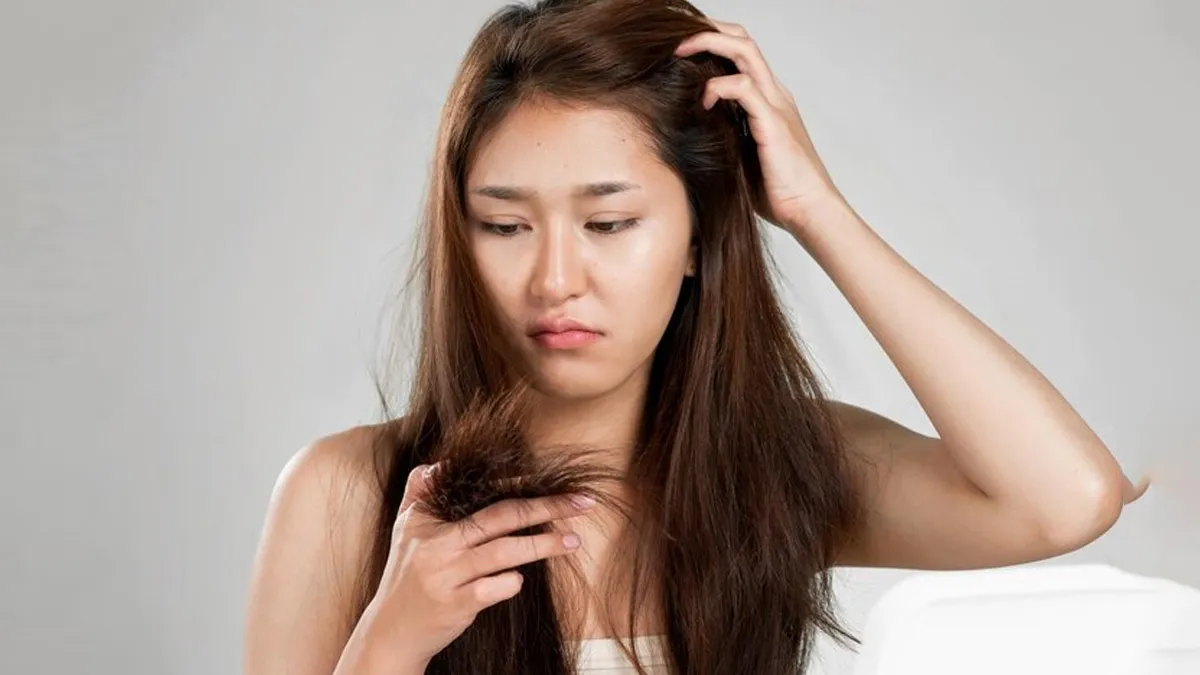
"The terminal hairs gradually become finer, shorter and less pigmented with successive growth cycles," Dr Sethi explains. In advanced cases, the hair can become extremely fine and clinically difficult to see, though it's too absolute to say that every affected follicle undergoes complete hair loss.
Does Having Naturally High Testosterone Increase Your Risk?
"Not necessarily," says Dr Karuna Malhotra. "Blood testosterone levels alone do not determine whether someone develops androgenetic alopecia. What matters more is genetic susceptibility and how individual follicles respond to androgen signalling." Genetic susceptibility can come from both maternal and paternal family lines.

This lines up with current genetic research. A systematic review published in the Journal of the American Academy of Dermatology International found that Androgenetic alopecia (AGA) susceptibility is primarily influenced by hereditary factors, contributing to around 80% of the predisposition to baldness, and that AGA follows a polygenic pattern involving multiple genes rather than a single inherited trait.
Dr Malhotra adds one more important distinction. A balanced diet and healthy lifestyle support overall hair health, while nutritional deficiencies, thyroid disorders and other medical conditions should be identified and corrected when present. However, these cannot be presented as being equally important as genetics and androgen biology in male pattern hair loss.
Does Testosterone Therapy Cause or Worsen Hair Loss?
"This is where the discussion becomes more relevant clinically," says Dr Sethi. If you are already genetically prone to hair loss, taking testosterone treatment can sometimes make hair loss happen faster or make it appear sooner. This is because your body can turn some of that testosterone into a hormone called DHT, which shrinks hair roots that are already sensitive.
However, it is important to remember:
- It is not the treatment's fault: Testosterone does not create the hair loss problem as it only potentially speeds up a process that was already likely to happen because of your genes.
- It is not guaranteed: Not everyone who takes testosterone treatment will experience hair loss.
- It is individual: How your hair reacts depends entirely on your own unique genetic makeup, rather than the testosterone itself.
What Can Help With Hair Loss?

According to Dr Sethi, treatment options work through different pathways:
- Finasteride: This medicine stops your body from creating as much DHT. Since DHT is the hormone that shrinks hair roots in people prone to hair loss, reducing it helps prevent further thinning.
- Dutasteride: This works similarly to Finasteride, but it is generally stronger at blocking the enzymes that turn testosterone into DHT, leading to a greater reduction in DHT levels overall.
- Minoxidil: This works in a completely different way. It does not change your hormone levels or block DHT at all. Instead, it helps your hair grow by extending the length of time your hair stays in its growth phase.
Because these treatments work differently, they should only be used under the guidance of a doctor, as approval and use can vary by country.
ALSO READ- Does Washing Your Hair Every Day Cause Hair Fall? A Dermatologist Explains
Conclusion
High testosterone doesn't directly cause hair loss, and low testosterone doesn't protect against it either. What actually determines male pattern hair loss is a combination of genetic susceptibility, local DHT conversion, and how sensitive an individual's follicles are to androgen signalling. Understanding this distinction matters, since it shifts the conversation away from blood testosterone levels and toward proper diagnosis and evidence-based treatment.
FAQ
1. Can hair loss return to normal if testosterone levels are lowered through medication for another condition?
Not necessarily. Since androgenetic alopecia is driven by genetic follicle sensitivity rather than testosterone levels alone, simply lowering testosterone for an unrelated medical reason doesn't guarantee hair regrowth or reversal of existing miniaturisation.2. Are women affected by the same testosterone and DHT pathway in hair loss?
Women can develop a form of pattern hair loss linked to androgens too, though the presentation typically differs, often showing as diffuse thinning rather than a receding hairline.
All possible measures have been taken to ensure accuracy, reliability, timeliness and authenticity of the information; however Onlymyhealth.com does not take any liability for the same. Using any information provided by the website is solely at the viewers’ discretion. In case of any medical exigencies/ persistent health issues, we advise you to seek a qualified medical practitioner before putting to use any advice/tips given by our team or any third party in form of answers/comments on the above mentioned website.
How we keep this article up to date:
We work with experts and keep a close eye on the latest in health and wellness. Whenever there is a new research or helpful information, we update our articles with accurate and useful advice.
-
Current Version
Aug 26, 2026 12:07 IST
Modified By : Vivek Kumar Aug 26, 2026 12:07 IST
Modified By : Vivek KumarAug 26, 2026 12:07 IST
Modified By : Vivek KumarAug 26, 2026 12:07 IST
Modified By : Vivek KumarAug 26, 2026 12:07 IST
Published By : Vivek Kumar
Reviewed By : Dr Karuna Malhotra