Long before shampoo existed, washing hair with regular bar soap was simply the norm. And now, thanks to minimalist skincare trends and "natural" beauty routines, it's making something of a comeback. However, just because a practice has been around for generations doesn't necessarily mean it's the best practice for your hair today. So, is the use of soap on your hair safe, or is it causing it some harm without you realizing it? Read on to know what a dermatologist has to say about the science behind it.
Why Is Soap Different for Hair Than for Skin?
Dr Sandeep Mahapatra, Director and Senior Consultant Dermatologist at Neo Follicle Hair Transplant and Dermasolutions, Bengaluru, explains that the key difference comes down to pH. Skin on the body naturally sits at a mildly acidic pH of around 4.5 to 5.5, and traditional bar soap, with a pH of roughly 9 to 10, is alkaline enough to cleanse it effectively without causing major harm. This is because the skin's barrier is built to tolerate that kind of exposure reasonably well, especially with normal wash frequency.
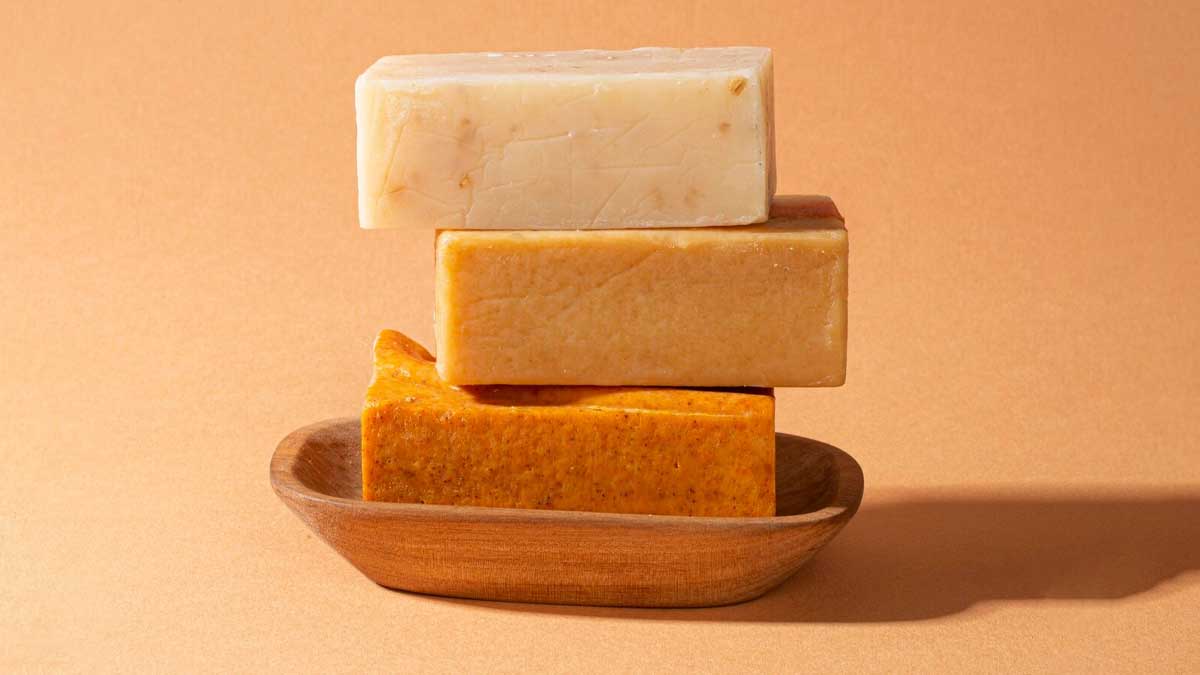
However, hair and scalp are totally different. The pH range of the scalp is also in the 4.5 to 5.5 range, whereas the pH range of the hair shaft is very sensitive to the changes in pH, he added. That's because its outer layer (cuticle) needs to be in a slightly acidic condition to remain smooth and flat. Soap's alkaline pH will raise the cuticle; whereas, no equivalent structure exists to worry about with skin.
In a 2021 study published in the Journal of Skin Appendage Disorders, researchers explored the frequency of shampooing and its impact on scalp and hair health, with a particular focus on Asian types of hair. They discovered that daily shampoos were beneficial for the condition of the scalp, and that they actually experienced more “good hair days” as the days progressed. The study also revealed that even the anti-dandruff shampoos were not found to be helpful in increasing the oil production of the scalp, hence debunking the myth that frequent washing leads to oilier scalp.
Can Soap Actually Harm Your Hair?
Used occasionally, soap on hair generally isn't harmful. But Dr Mahapatra notes that regular or long-term use tends to cause several issues:
- Dryness and frizz – soap strips natural oils from both scalp and hair shaft, leaving hair feeling rough and prone to frizz
- Increased tangling and breakage – a raised cuticle makes hair strands catch on each other more easily, leading to knots that can snap hair during detangling
- Scalp imbalance – disrupting the scalp's natural acidity can affect its microbiome, potentially leading to itchiness, flaking, or dandruff
- Dullness – a rough, lifted cuticle reflects light unevenly, making hair look less shiny than it would with a pH-balanced cleanser
- Faster colour fade – for coloured or chemically treated hair, the lifted cuticle allows colour molecules to escape more easily, leading to quicker fading
Is There Ever a Good Reason to Use Soap on Hair?![washing hair with soap]()
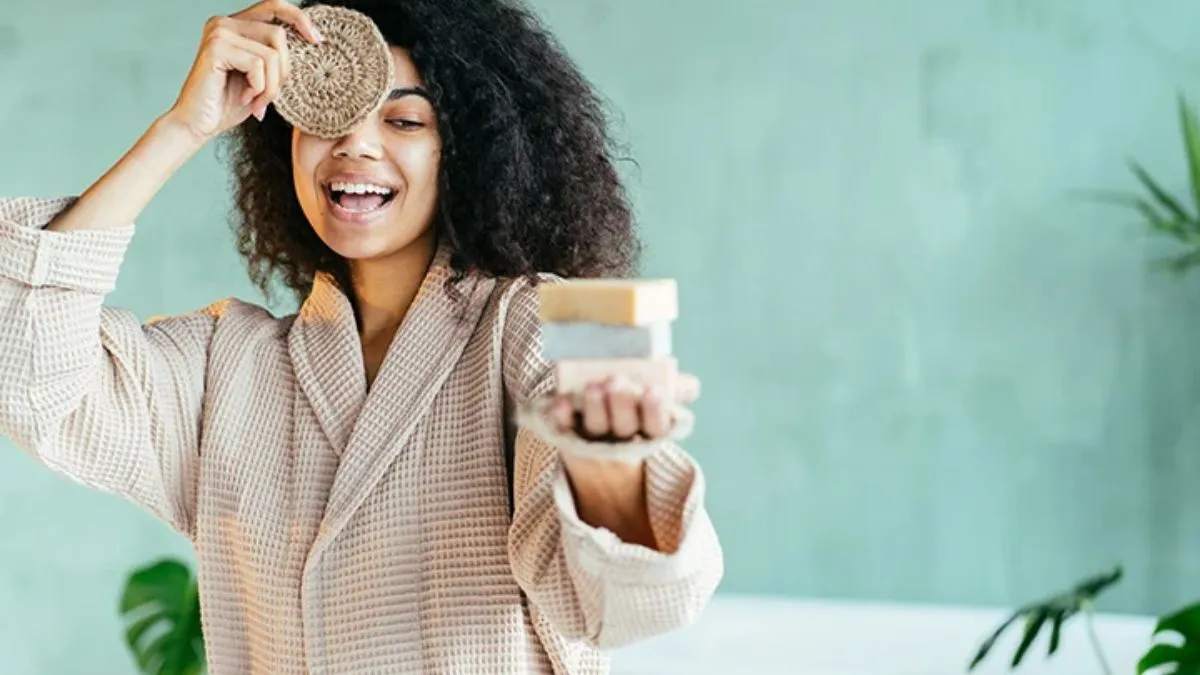
Soap isn't entirely without merit in specific situations. Dr Mahapatra points out that some medicated or anti-fungal soaps are occasionally recommended for particular scalp conditions. And in a genuine emergency, where no shampoo is available, using soap once is unlikely to cause lasting damage. It's regular, everyday use that tends to create problems over time.
What Should You Consider Before Using Soap on Your Hair?
According to Dr Mahapatra, a few factors make a real difference in how much impact soap has on your hair:
- Frequency of use: Occasional or emergency use is unlikely to cause serious harm, but daily or frequent use is where the real damage builds up
- Hair type and length: Shorter hair tends to show less visible damage from soap than longer hair, since there's simply less hair shaft exposed to repeated cuticle disruption
- Existing scalp conditions: Anyone with dandruff, eczema, or a sensitive scalp should be particularly cautious, as soap's alkaline nature can aggravate these conditions
- Coloured or chemically treated hair: Soap accelerates colour fade and can worsen existing damage from previous chemical treatments
- Water hardness in areas with hard water, soap can react to form a residue, or soap scum, that clings to hair and scalp, contributing to buildup, dullness, and dandruff-like flaking
How Can You Reduce the Damage If You Do Use Soap?
If soap is used, then an acidic rinse, like diluted vinegar or lemon water, can be used to restore the hair's natural pH and help smooth the hair cuticles, recommends Dr Mahapatra.
If you prefer to not use liquid shampoo for environmental or minimalist reasons, then it's a better idea to find an alternative. Hair shampoo bars designed to treat hairs that have a pH closer to 4.5-6.5 have the same bar shape but do not have the same alkaline drawbacks as regular soap.
ALSO READ- Why Does Hair Fall Increase in Monsoon? Expert Tips to Protect Your Hair
Conclusion
In general, if you use soap on your hair occasionally, it is not a bad thing but if you use it regularly and consistently, hair will become drier, more matted and less lustrous in the long term. If you find that your hair is damaged, your scalp is irritated or you still have dandruff after switching to soap washing, you should go back to a shampoo or use a pH balanced shampoo bar as advised.
FAQ
1. Can using soap on hair cause permanent damage over time?
Most of the effects of soap are associated with the outer cuticle of the hair shaft and not the health of the hair follicle or scalp; therefore, soap is not likely to cause permanent damage to the hair or scalp. Regular use of soap can cause longer strands to become dry, brittle and tangled, but, visible damage can result and it will take time for this to improve.2. Is it better to use soap or shampoo if you have oily hair?
Another way to remove oils from the skin is to use soap, as it is alkaline and is able to remove oils from the skin. However, soap can be too harsh and cause the scalp to produce more oil in response. Oily hair products with a neutral pH work better to control the production of sebum, while not stripping away the natural barrier of the scalp.
All possible measures have been taken to ensure accuracy, reliability, timeliness and authenticity of the information; however Onlymyhealth.com does not take any liability for the same. Using any information provided by the website is solely at the viewers’ discretion. In case of any medical exigencies/ persistent health issues, we advise you to seek a qualified medical practitioner before putting to use any advice/tips given by our team or any third party in form of answers/comments on the above mentioned website.

How we keep this article up to date:
We work with experts and keep a close eye on the latest in health and wellness. Whenever there is a new research or helpful information, we update our articles with accurate and useful advice.
-
Current Version
Jul 31, 2026 17:15 IST
Published By : Vivek Kumar
Reviewed By : Dr Sandeep Mahapatra