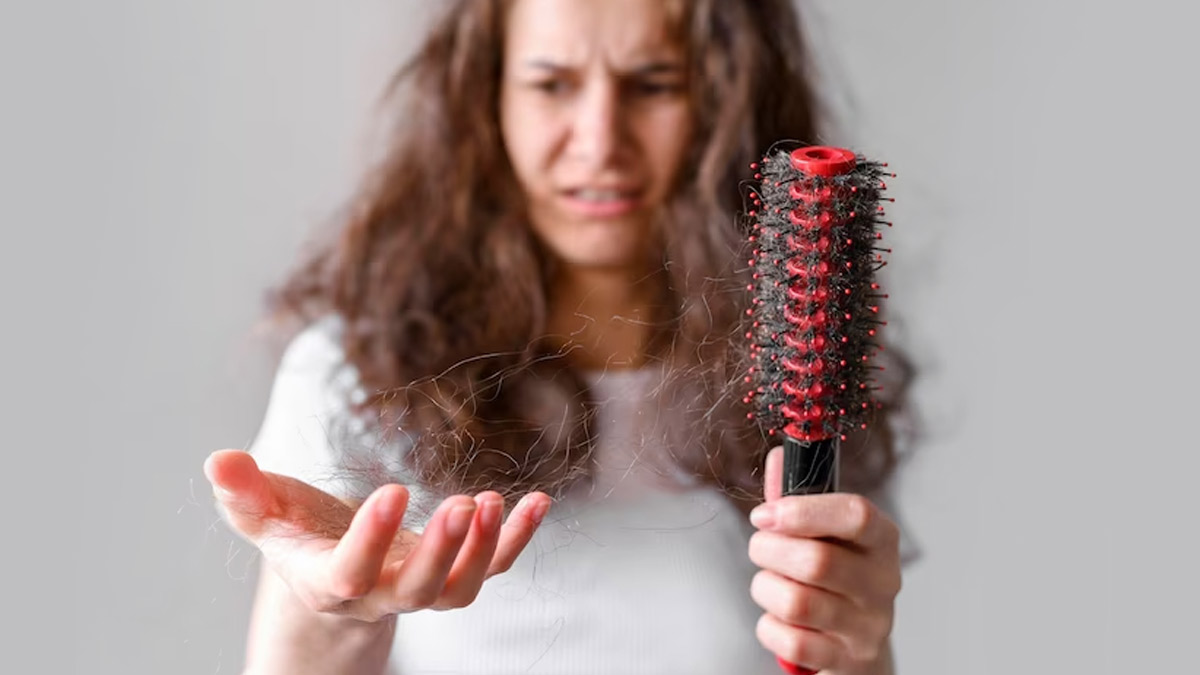
When the rain comes, so does a familiar complaint like there's more hair on the pillow, more hair in the shower drain and a hair brush that fills up more quickly than usual. It's tempting to write this off as imagination or bad luck, but increased hair fall during monsoon is actually a real, well-documented seasonal pattern. It isn't just about the rain itself, but the combination of humidity, scalp changes, and natural hair growth cycles that come with it.
To understand better, we reached out to an expert to know what can make it far easier to protect your hair through the wetter months, rather than watching helplessly as it thins out.
Does Hair Fall Really Increase During Monsoon?
Yes, and there are actual physiological reasons for that, says Dr Sandeep Mahapatra, Director & Senior Consultant Dermatologist at Neo Follicle Hair Transplant and Dermasolutions, Bengaluru. The hair shaft swells and contracts again and again as moisture gets absorbed and lost from the hair, leading to the weakening of the hair structure over time, which makes it easier for it to break.
Additionally, he notes, there's a natural rhythm: "Some research also suggests that a natural growth cycle exists, with more hair follicles falling into the shedding phase of the cycle during the late summer and monsoon, regardless of humidity effects. So it's all biological and the weather, which is already against fragile hair.”
According to the Asian Journal of Research in Dermatological Science, a study of 25 women found that 76% noticed the most hair fall during the monsoon. Researchers tested a "minus one rule": washing hair 24 hours before it feels greasy or itchy, rather than waiting. This simple change led to a real drop in hair shedding scores, suggesting that adjusting wash frequency during the monsoon can genuinely help reduce seasonal hair fall.
ALSO READ- Hair Breakage vs Hair Loss: Dermatologist Explains the Real Difference and How to Tell Them Apart
How Does Monsoon Weather Affect Hair Quality?
Dr Mahapatra says that while “monsoon does not directly cause hair loss, it does bring several factors that can increase hair breakage, weaken their roots, and cause scalp problems, making them appear more visibly in trouble.” Some of them are mentioned below:
- Excessive growth of fungus and bacteria (damp, humid weather can cause fungus/bacterial growth that leads to dandruff, itching, and folliculitis)
- Weakened hair roots – rainwater is more acidic, can contain pollutants, and can lie on the scalp for extended periods, weakening the roots
- Humid weather: Humidity can cause frizz and decrease elasticity in hair, making strands more prone to snapping than stretching
- Constant absorption and loss of moisture over time. It is due to repeated moisture swelling and changes the internal structure of the hair fibres over time.
How to Care for Your Hair During Monsoon

Dr Mahapatra's practical monsoon hair-care checklist:
- Keep the scalp clean and dry: Wash regularly to remove sweat, oil, and moisture build-up, and dry the scalp thoroughly after getting caught in the rain
- Use a mild, anti-fungal or clarifying shampoo particularly helpful for anyone prone to dandruff or scalp itching
- Conditioning regularly: Focusing on lengths and ends, helps maintain moisture balance and reduces frizz-related breakage
- Oil the scalp lightly: A gentle massage once or twice a week nourishes roots, though he cautions against overdoing it, "as excess oil combined with humidity can clog pores"
- Detangle gently: Use a wide-tooth comb, and detangle hair when slightly damp rather than soaking wet
- Eat a balanced diet: Adequate protein, iron, and biotin support stronger hair growth even during seasonal stress
- Trim regularly: Removing split ends prevents further breakage travelling up the shaft
What to Avoid During Monsoon to Protect Your Hair
Dr Mahapatra is equally clear on what not to do:
- Stepping out with wet hair for long periods, as wet hair exposed to humidity and pollution is more prone to fungal growth and damage
- Tying hair tightly when damp can cause breakage and trap moisture, encouraging fungal growth
- Excessive heat styling because "hair is already weaker during monsoon; added heat stress increases breakage risk"
- Harsh chemical treatments like colouring, straightening, or perming can further compromise already fragile hair
- Skipping regular washes out of fear of frizz, as this can backfire, allowing oil, sweat, and fungal buildup to accumulate
Ignoring persistent itching, flaking, or unusual shedding, Dr Mahapatra warns these "could indicate a scalp infection or fungal issue that needs proper treatment rather than home remedies alone"
Conclusion
Monsoon hair fall is a reality. It's a combination of humidity, hair changes and the natural shedding process, but some good, basic hair care coupled with proper handling and a few seasonal changes to your hair routine can help reduce the damage. If hair loss is heavy, constant or hair loss is accompanied by itching or other discomfort of the scalp that doesn't get better, he says, it's best to see a dermatologist.
FAQ
1. Does monsoon hair fall stop on its own once the season ends?
Yes, very often, says Dr Mahapatra. In most cases, hair fall is related solely to humidity, and seasonal shedding is just a seasonal phenomenon that should pass when the weather changes.2. Is oiling hair before stepping out in the rain a good idea?
Oiling is recommended to keep the scalp moist and prevent fungal growth, but if the hair is already oiled before falling in the rain, it will trap moisture and dirt on the scalp, which may aggravate its growth, warns Dr Mahapatra.
All possible measures have been taken to ensure accuracy, reliability, timeliness and authenticity of the information; however Onlymyhealth.com does not take any liability for the same. Using any information provided by the website is solely at the viewers’ discretion. In case of any medical exigencies/ persistent health issues, we advise you to seek a qualified medical practitioner before putting to use any advice/tips given by our team or any third party in form of answers/comments on the above mentioned website.

How we keep this article up to date:
We work with experts and keep a close eye on the latest in health and wellness. Whenever there is a new research or helpful information, we update our articles with accurate and useful advice.
-
Current Version
Jul 31, 2026 09:55 IST
Published By : Vivek Kumar
Reviewed By : Dr Sandeep Mahapatra