
Minoxidil is one of the most trusted treatments for hair loss. It's used by millions of people each day, and they hope to retain thicker and fuller hair. But here's the thing that nobody mentions upfront. When you stop using it, your hair doesn't just stay the same. There's a fairly predictable chain of events that follows. So, what actually happens if you stop minoxidil, and is the damage permanent? Read on to know what a dermatologist wants you to know before you make that decision.
How Does Minoxidil Work in the First Place?
Dr Sandeep Mahapatra, Director and Senior Consultant Dermatologist at Neo Follicle Hair Transplant and Dermasolutions, Bengaluru, explains that minoxidil is "one of the most widely used and clinically proven treatments for pattern hair loss." It works by prolonging the growth, or anagen, phase of the hair cycle. It also increases blood flow to hair follicles. This helps thin or miniaturised follicles produce thicker, longer hair for as long as the medication is used.

It's important to understand that minoxidil doesn't cure the underlying cause of hair loss, which is usually genetic pattern baldness. It simply works around it.
According to the International Society of Hair Restoration Surgery (ISHRS), minoxidil works by extending the growth phase of the hair cycle, which reduces shedding and thickens hair over time. For it to work, the body must convert it into minoxidil sulfate, an active form that widens blood vessels and boosts blood flow to the scalp.
ALSO READ- Missed a Dose of Minoxidil? Dermatologists Explains Its Impact on Hair Progress
Why Does Hair Fall Out After Stopping Minoxidil?
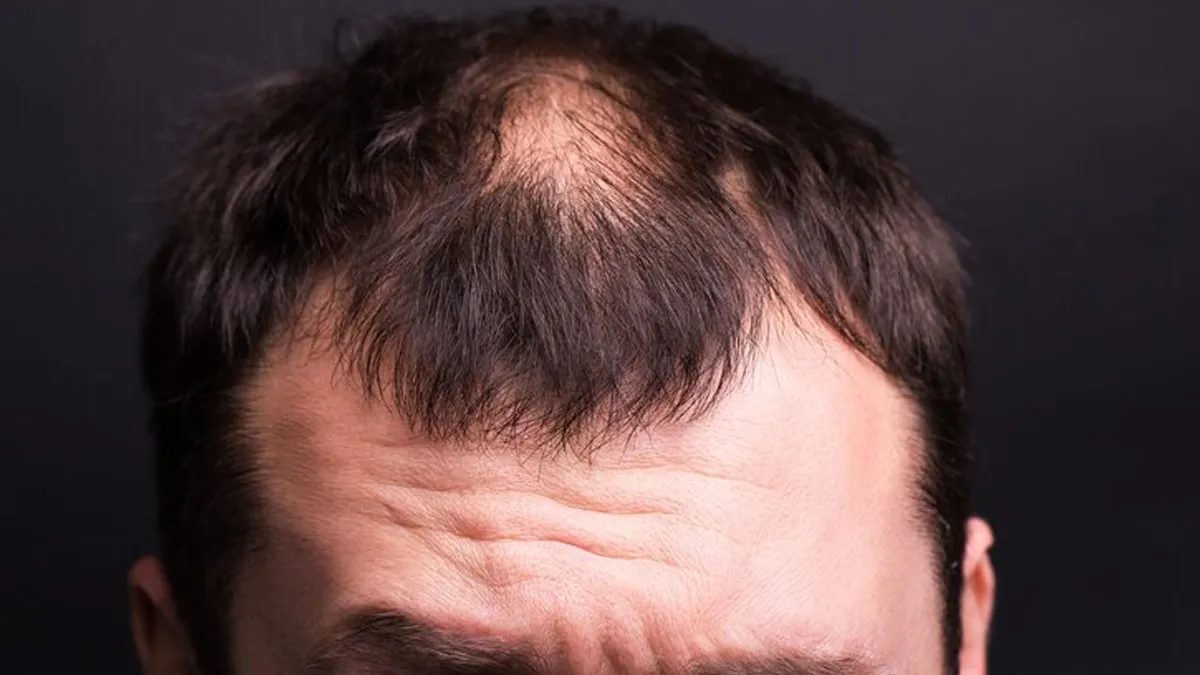
Once minoxidil is stopped, its effects wear off within a few weeks. Follicles that were being supported by the medication go back to their natural, genetically set cycle. According to Dr Mahapatra, this usually leads to a few clear stages:
- Increased shedding, usually starting one to three months after stopping, as follicles shift suddenly into the shedding phase
- Gradual thinning, as hair growth returns to what it would have been without treatment
- Loss of treatment gains, typically within three to six months, though timelines vary from person to person
- A return to baseline, meaning density usually settles back to where it would have been anyway, not worse than the original starting point
Does Stopping Minoxidil Cause Permanent Damage?
No. Dr Mahapatra is clear that stopping minoxidil doesn't damage hair follicles or cause hair loss beyond what would have happened naturally without treatment. This is often called "minoxidil shedding." It isn't new or worsened damage. That said, it can feel alarming, since this shedding phase often looks more sudden than the slow thinning that would have occurred without ever starting treatment.
Can You Stop Minoxidil Safely?
There's no medically necessary tapering process for minoxidil. It can be stopped all at once. That said, some dermatologists suggest easing off gradually, for example, moving from twice daily to once daily for a few weeks, to make the transition feel less abrupt.
A few things worth keeping in mind:
- Set realistic expectations about the shedding phase, so it doesn't come as a shock
- Consider switching to another treatment, such as finasteride or PRP therapy, before or right after stopping, to help offset the hair loss that may follow
- Speak to a dermatologist before stopping, especially if the hair loss being treated was significant
Who Is More Affected by Stopping Minoxidil?
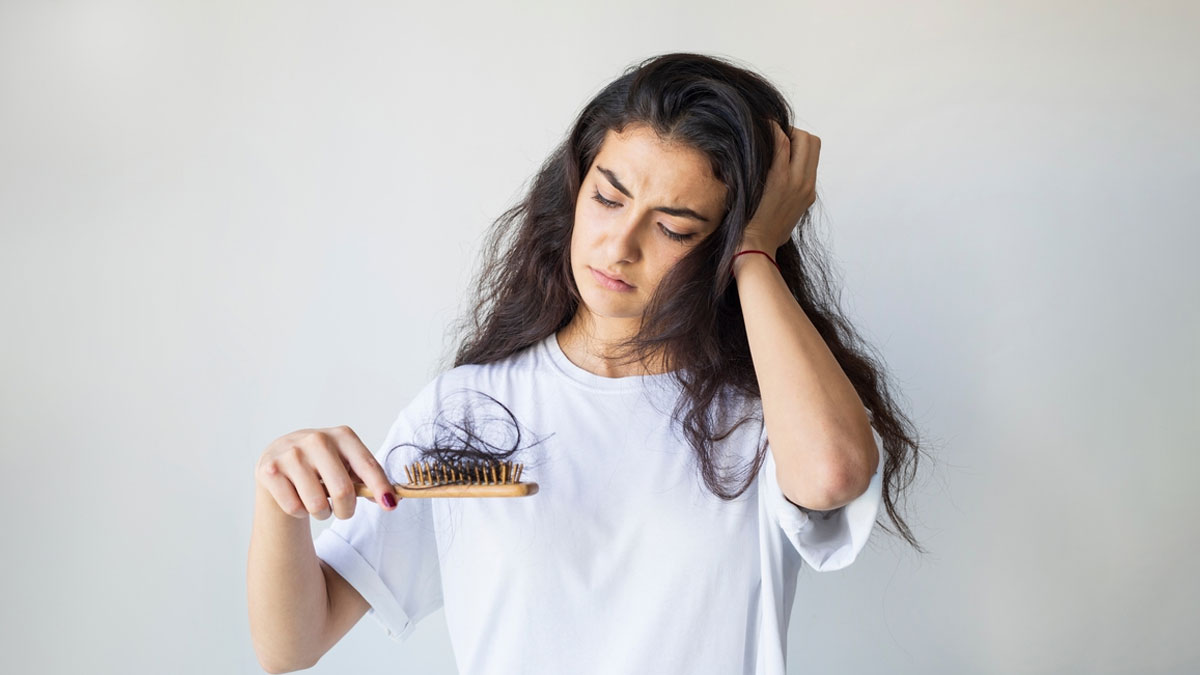
Not everyone experiences the same level of shedding after stopping. Some factors make a noticeable difference:
- People with more advanced or long-standing hair loss before starting treatment tend to notice a bigger difference once they stop, since minoxidil was likely maintaining a larger amount of otherwise-thinning hair
- Those who used minoxidil for a shorter period may see less dramatic shedding, simply because fewer follicles were being actively maintained
- Anyone with an underlying condition, such as thyroid issues, nutritional deficiencies, or hormonal imbalance, may notice faster or more visible thinning if that condition isn't managed separately
ALSO READ- Who Should Avoid Minoxidil? Dermatologist Explains If It's Safe for Hair Health
Conclusion
Stopping minoxidil isn't dangerous, but it does come with consequences worth planning for. The shedding that follows isn't new damage. It's simply your hair returning to the path it would have followed anyway. If you're thinking about stopping, talk to a dermatologist first, especially if you want to explore alternatives that could soften the transition.
FAQ
1. Can you restart minoxidil after stopping it for a while?
Yes, it is possible for most people to resume minoxidil after a break. Much of the time, it starts to function again in a similar way as in the past, but it can take several months of regular use to get the benefit back. If it's been a long time, it's best to consult with a dermatologist first.2. Does switching minoxidil brands or strength cause the same shedding as stopping completely?
It's not as if switching brands or making a change in strength, under medical direction, is the same as discontinuing treatment. The shedding pattern that occurs after complete discontinuation of minoxidil does not usually occur as long as minoxidil is still used in some capacity.
All possible measures have been taken to ensure accuracy, reliability, timeliness and authenticity of the information; however Onlymyhealth.com does not take any liability for the same. Using any information provided by the website is solely at the viewers’ discretion. In case of any medical exigencies/ persistent health issues, we advise you to seek a qualified medical practitioner before putting to use any advice/tips given by our team or any third party in form of answers/comments on the above mentioned website.

How we keep this article up to date:
We work with experts and keep a close eye on the latest in health and wellness. Whenever there is a new research or helpful information, we update our articles with accurate and useful advice.
-
Current Version
Aug 03, 2026 21:21 IST
Published By : Vivek Kumar
Reviewed By : Dr Sandeep Mahapatra