
Bringing a child into the world brings immense joy, but the sudden shift in your body after delivery can feel overwhelming. One of these changes is seeing lots of hair in the shower drain or on the hairbrush. After giving birth, it is very common to experience hair shedding, and many women wonder if treatments such as minoxidil can bring it back. Although topical minoxidil can be used for hair loss following pregnancy, it is not usually the initial treatment, as the condition is likely to be temporary and will likely clear up without any medical treatment.
Can you use Minoxidil for Postpartum Hair Loss?
Dr Sandeep Mahapatra, Director & Senior Consultant, Dermatologist at Neo Follicle Hair Transplant & Dermasolutions, Bengaluru explains, “Yes, minoxidil may be used, but the hair loss is usually temporary and will usually go away after several months when the hormones settle into their normal level. Minoxidil is not usually the first treatment chosen, as many women recover without it, but may help accelerate regrowth or be used for more extended cases.”
The mechanism of action of Minoxidil is the expansion of blood vessels in the scalp and an increase in the duration of the hair follicles during the active growth phase (anagen). This blood flow provides the necessary oxygen and nutrients directly to the root, promoting thicker, stronger roots over time.
Postpartum hair loss is caused by a temporary imbalance in hormones, not permanently damaging the hair follicles, so most women regrow their hair without any intervention. However, minoxidil can be a good stimulator for women who are suffering from slow or delayed hair regrowth.
According to the National Institute of Child Health and Human Development, topical minoxidil is okay once breastfeeding is well started. But it should not touch the baby's skin. This is because the baby can absorb it and grow extra hair. Oral minoxidil needs more care. There isn't much research on it. One case showed the drug does pass into breast milk, but levels drop fast within hours.
So, for postpartum hair loss, topical minoxidil may be used carefully once breastfeeding is steady. Still, always ask a doctor first, since data is limited.
ALSO READ- What's the Right Age to Use Minoxidil? Here Is What a Dermatologist Has To Say
Expected Timeline and What to Expect During Treatment
If you and your dermatologist agree that you should use topical minoxidil, it is important to follow the instructions and be consistent. It's also important to be patient, since topical medications take time to affect the biological hair growth cycle.
Dr Mahapatra emphasises the usual progression and the initial hopes:
- First Shedding Period: Shedding can temporarily get worse in the first few weeks of starting treatment. This is just a normal biological response that older strands are being pushed out to give way to the new active ones, and should not be a concern.
- The changes in hair density and less hair falling out are noticeable after 3-4 months of continuous daily use.
- The best results from peak results will likely be seen after 6 to 12 months of consistent use.
Can Postpartum Hair Loss Grow Back Naturally?
For new mothers, the answer is yes. In all but a few cases, hair will regrow on its own without any clinical intervention or medication.
The normal hair growth cycle slowly returns to you over the months after you've given birth. The majority of women will see that their hair density has returned to normal within 6 – 12 months after giving birth.
The treatment of Alopecia Areata with Minoxidil is not recommended, and evidence-based alternatives are available.
Alternatives to Minoxidil
Since it is necessary to use minoxidil on a regular basis and not all new moms will want to use it, even during breastfeeding, medical advice is needed. During postpartum recovery, Dr Mahapatra recommends the following steps to help maintain healthy hair:
- Nutritional Support: Diets that are high in protein, iron and vitamin D are required to support shedding, with these nutrients being vital.
- Gentle Hair Care: Do not pull on sensitive roots with tight styles like high ponytails, tight braids, etc. Avoid excessive heat styling and chemical hair products during this special time.
- Check the Thyroid Function: Postpartum changes in thyroid function can be a cause of ongoing thinning hair. If it is especially heavy shedding or shedding that persists for more than a year, ask your doctor to get a blood panel.
- Scalp Care: Massaging your hair scalp can be a relaxing thing that you can do to help promote blood circulation to that area, but there is not enough clinical evidence to support that idea.
Remind yourself that as a woman you are in the postpartum period and this hair loss is temporary and will pass.
Choosing the Best Treatment for Postpartum Hair Loss
Postpartum hair loss can be treated for most women, but not for the vast majority of them. The best way to recover is to let your body recover on its own and adhere to a healthy lifestyle.
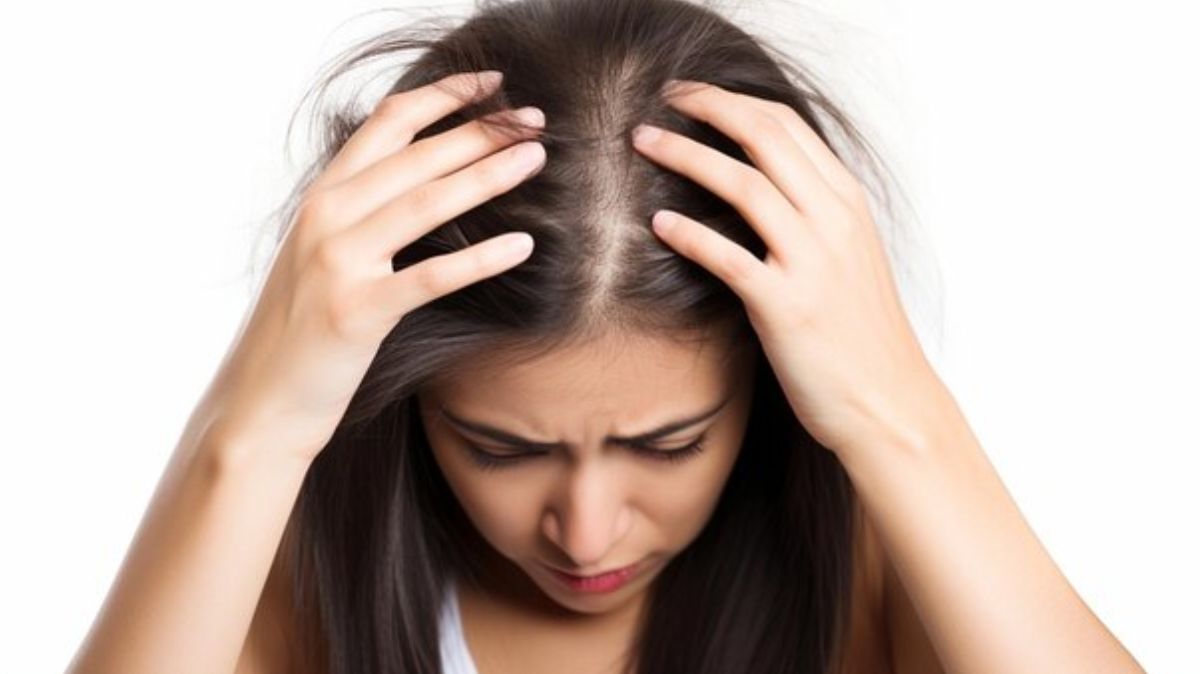
If you are thinning, prolonged, or it is affecting self-esteem:
- Topical Minoxidil: It is the most clinically proven medical treatment to help increase hair density.
- Nutritional Assessment: If the deficiency is due to a vitamin or mineral deficiency, correcting the deficiency will provide the building blocks for new growth.
- If you are experiencing hair loss beyond the 12-month period or it seems to be more severe than usual, talk to a qualified dermatologist for advice. Other factors, such as female pattern hair loss or thyroid conditions, can be excluded early.
ALSO READ- Who Should Avoid Minoxidil? Dermatologist Explains If It's Safe for Hair Health
Conclusion
Overall, minoxidil is not officially made for postpartum hair loss, but it is often used off-label for it since postpartum shedding is a form of telogen effluvium. It can help hair grow back faster, but it needs daily use and takes months to show results. Because safety in pregnancy and breastfeeding is still unclear, it's best to check with a doctor before starting it after childbirth.
FAQ
1. Can you use topical minoxidil during pregnancy and lactation?
Topical minoxidil use is usually recommended against during lactation. Minimal amounts of topical drugs may enter the systemic circulation and into breast milk. Although limited clinical evidence of risk in infants exists, most dermatologists suggest waiting for natural development and proper nutrition and not using minoxidil until you are actively breastfeeding.2. How to distinguish between normal postpartum shedding and permanent hair loss?
Normal postpartum shedding is diffuse (evenly distributed over the entire scalp) and is usually at its heaviest in the first three to four months after giving birth, then slows gradually and improves in the year afterwards. On the other hand, permanent hair loss diseases (like female pattern hair thinning) typically present as a wide part line, thinning hair at the crown, or hair loss that persists and progresses after 12 months of age.
All possible measures have been taken to ensure accuracy, reliability, timeliness and authenticity of the information; however Onlymyhealth.com does not take any liability for the same. Using any information provided by the website is solely at the viewers’ discretion. In case of any medical exigencies/ persistent health issues, we advise you to seek a qualified medical practitioner before putting to use any advice/tips given by our team or any third party in form of answers/comments on the above mentioned website.
How we keep this article up to date:
We work with experts and keep a close eye on the latest in health and wellness. Whenever there is a new research or helpful information, we update our articles with accurate and useful advice.
-
Current Version
Jul 29, 2026 20:58 IST
Modified By : Vivek Kumar
Reviewed By : Dr Sandeep Mahapatra Jul 29, 2026 20:58 IST
Published By : Vivek Kumar