
There's a reason your stomach seems to act up more between June and September. It's not just you, and it's not bad luck either. The short answer is that warm, wet weather turns your food and water supply into a breeding ground for bacteria. Monsoon genuinely creates the perfect storm for food poisoning, and once you understand why, it's a lot easier to protect yourself without giving up on eating well during the rains. Here's what's actually going on, straight from a doctor who sees these cases walk into her clinic every season.
How Does Monsoon Food Poisoning Spike In Rainy Season?

Dr Pooja Pillai, Consultant, Internal Medicine, Aster CMI Hospital, Bangalore, has a simple way of putting it: warm, wet weather is basically a breeding ground. Rain brings humidity, humidity brings bacteria, and bacteria don't need much of an invitation once they're in your food or water. She points out that it's not one single thing going wrong. It's usually several factors piling up at once, which is exactly why monsoon feels like such a minefield for stomach bugs.
What's Causing Food Poisoning Spike In Monsoon?
Dig a little deeper and the picture becomes clearer. According to Dr Pillai, here's what's really driving the surge:
- Bacteria like E. coli, Salmonella, and Vibrio cholerae multiply fast in warm, moist conditions, and they spread easily through contaminated water.
- Rainwater runoff and flooding can seep into municipal water supplies, turning something as basic as tap water into a risk.
- High humidity speeds up spoilage. Dairy, cut fruit, and cooked food that would normally stay fine for a few hours turn unsafe much faster.
- Waterlogging often means sewage and food or water sources end up mixing, especially around street food stalls where drainage is poor to begin with.
- Flies and pests are more active in humid weather, and they're excellent at carrying bacteria straight from waste to your plate.
- Viruses like norovirus and rotavirus also circulate more during monsoon, and children in particular tend to pick these up.
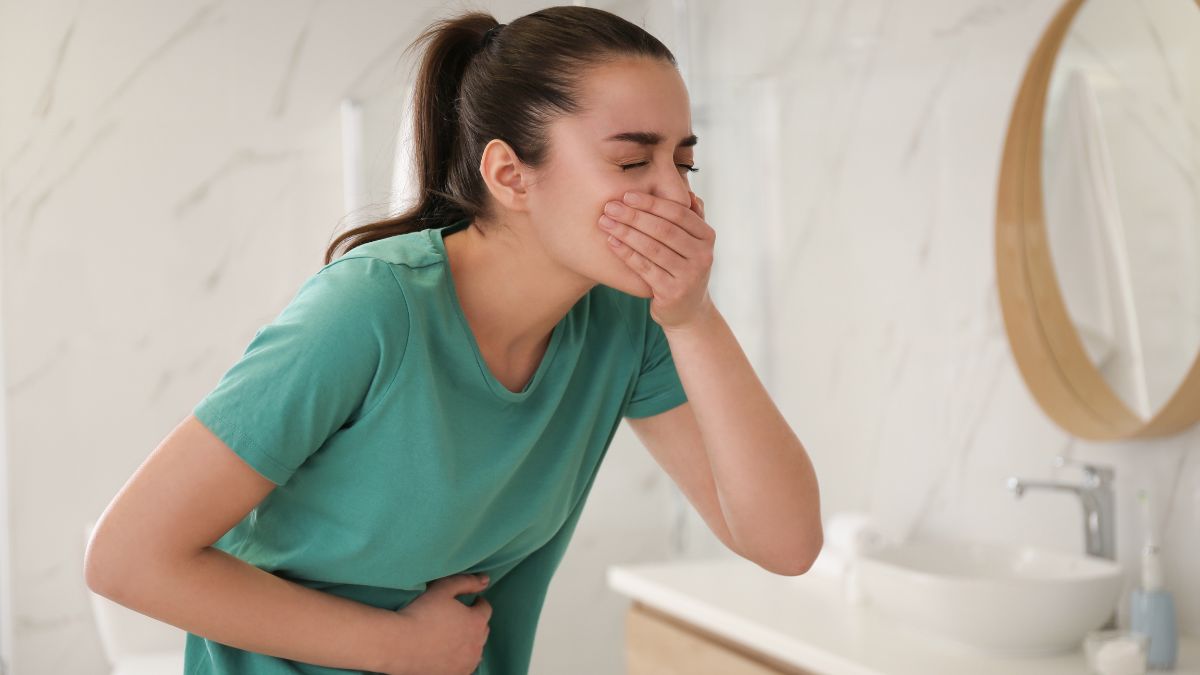
It's worth noting that even water that looks clean isn't always safe. Storage matters too. Boiled water left in an unwashed container can get recontaminated just as easily as water straight from a questionable source.
A 2023 study from PLOS ONE looked at ten years of food poisoning data across several Malaysian states, alongside rainfall and temperature records. The main finding was about heat, not rain. For every 1°C rise in temperature, food poisoning risk in some states jumped by up to 74%. Interestingly, more rainfall didn't always mean more cases. In one state, heavier rain actually lowered the risk slightly.
The researchers still note that heavy rain can cause flooding, which washes bacteria from soil and waste into water sources, so rain isn't harmless. But their data suggests temperature and humidity play a bigger role in driving outbreaks, more than rainfall alone.
ALSO READ- Why Does Eye Flu Spike Every Monsoon? An Eye Specialist Explains What's Behind It
Who's More Likely to Get Sick in Monsoon?
Not everyone faces the same odds. Dr Pillai flags a few groups who should be extra cautious during monsoon:
- Young children, since their immune systems are still developing.
- Elderly people, who often have weaker immunity and take longer to bounce back.
- Pregnant women, due to the natural immune changes pregnancy brings.
- People with diabetes or liver disease, which can affect the body's ability to fight infection.
- Anyone with a weakened immune system, including those on immunosuppressive medication or undergoing treatments like chemotherapy.
- Frequent street food eaters, particularly where hygiene practices tend to be inconsistent.
If you fall into any of these categories, it's not about avoiding monsoon food entirely, just being a bit more deliberate about where and what you eat.
How to Actually Prevent Food Poisoning In Monsoon?
Some of these tips take seconds, others require a bit more planning, but together they make a real difference:
- Stick to boiled, filtered, or sealed bottled water throughout monsoon.
- Skip raw or undercooked street food, especially cut fruits, chaat, and juices made with ice or tap water.
- Wash fruits and vegetables thoroughly under clean running water before eating or cooking them.
- Don't eat leftovers that have sat out for more than two hours. Bacteria multiply quickly in humid weather.
- Refrigerate cooked food promptly and reheat it properly before eating.
- Wash your hands with soap before meals and after using the toilet. Hygiene habits tend to slip when it's pouring outside, which is exactly when you need them most.
- Steer clear of seafood and raw shellfish during monsoon months, when contamination risk climbs noticeably.
When Should You See a Doctor?
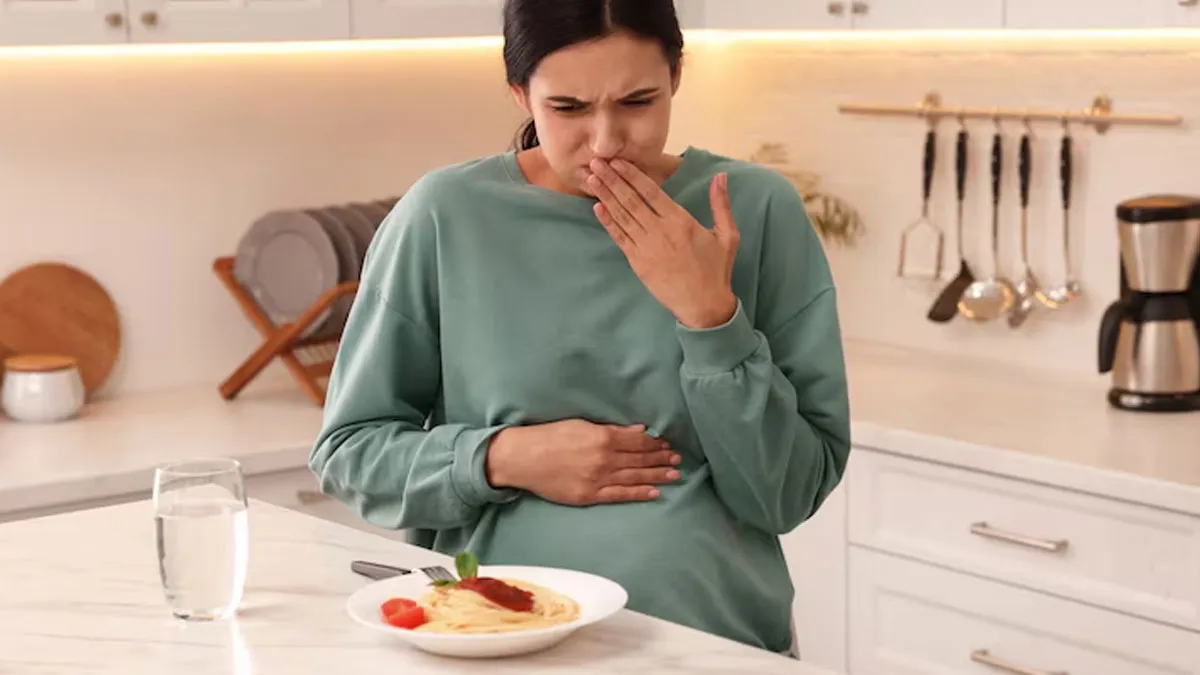
Most cases settle on their own within a day or two with rest and fluids. But Dr Pillai advises seeing a doctor if:
- Vomiting or diarrhoea lasts beyond two to three days.
- You notice signs of dehydration, like reduced urination, dizziness, or a dry mouth.
- There's high fever, blood in the stool, or severe abdominal pain.
- Symptoms show up in a young child, elderly person, or pregnant woman.
Someone with an existing condition like diabetes or kidney disease starts showing symptoms, since these can escalate quickly.
Treatment and Management Options
If food poisoning does strike, here's what typically helps, according to Dr Pillai:
- Oral rehydration solution (ORS) to replace lost fluids and electrolytes, usually the first and most important step.
- Small, frequent sips of water or ORS rather than large amounts at once, particularly if vomiting is an issue.
- Bland, easy-to-digest food once vomiting settles, gradually working back to a normal diet.
- Avoiding dairy, caffeine, and alcohol until symptoms fully resolve, since these can irritate the gut further.
- Medical evaluation and, where necessary, antibiotics if a bacterial cause is confirmed, but only under a doctor's guidance.
- Hospital care with IV fluids for significant dehydration, especially in children or the elderly.
- Avoiding anti-diarrhoeal medication without medical advice, since it can sometimes trap bacteria in the gut and make things worse.
ALSO READ- Monsoon Foot Infection: 5 Warning Signs Every Rainwater Walker Should Know
Conclusion
Monsoon doesn't have to mean months of stomach trouble. Most of what drives the seasonal spike- contaminated water, quick spoilage, and lapses in hygiene, comes down to a handful of predictable risks. Stay a little more careful about what you eat and drink, and you can enjoy the rains without spending them near a bathroom.
image credit: Gemini AI
FAQ
1. Can food poisoning during monsoon be contagious?
It depends on the cause. Bacterial food poisoning from contaminated food usually isn't contagious between people.2. Does boiling food always kill the bacteria responsible for monsoon food poisoning?
In most cases, yes, thorough cooking or boiling kills the bacteria that cause common food poisoning.
All possible measures have been taken to ensure accuracy, reliability, timeliness and authenticity of the information; however Onlymyhealth.com does not take any liability for the same. Using any information provided by the website is solely at the viewers’ discretion. In case of any medical exigencies/ persistent health issues, we advise you to seek a qualified medical practitioner before putting to use any advice/tips given by our team or any third party in form of answers/comments on the above mentioned website.
How we keep this article up to date:
We work with experts and keep a close eye on the latest in health and wellness. Whenever there is a new research or helpful information, we update our articles with accurate and useful advice.
-
Current Version
Aug 14, 2026 17:29 IST
Modified By : Vivek Kumar Aug 14, 2026 17:29 IST
Published By : Vivek Kumar
Reviewed By : Dr. Pooja Pillai