
There's something undeniably comforting about monsoon weather, the rain, the chai, the urge to snack on something hot and fried. But the rainy season also brings a less pleasant side effect: a much higher risk of food-related illness. During the warm, humid winter season, it's like a party invitation for bacteria, viruses and fungi. Then, what is to be avoided on the plate during monsoons? Here's a simple, easy-to-follow explanation by a dietitian.
Why Does Food Become Riskier During Monsoon?
"During the rainy season, the risk of food contamination increases because warm and humid weather allows bacteria, viruses, and fungi to grow more easily," explains Edwina Raj, Head of Services, Clinical Nutrition & Dietetics, Aster CMI Hospital, Bangalore.

It's not about the food; it's about the surroundings. When food is exposed to moisture and warm temperatures, spoilage and microbial growth can occur more rapidly than usual, making what seemed a safe food meal a day before potentially unsafe. Edwina Raj explains that "eating fresh and hygienically prepared food can help minimise stomach infections and food poisoning. Though that may seem like a simple statement, it's the basic premise to staying safe this season.”
According to a paper from the Food Safety and Standards Authority of India, high humidity during the rainy season allows microbes, especially fungi, to multiply rapidly in the environment. This makes fruits, vegetables, and perishable foods spoil faster and become contaminated more easily.
It was also found that proper food storage, keeping refrigerators clean and dry, since dirty or damp fridges can actually become breeding grounds for mould and harmful germs, rather than protecting food as intended.
ALSO READ- Is It Safe To Eat Fish During Monsoon? Expert Weighs In
Foods to Avoid During the Rainy Season
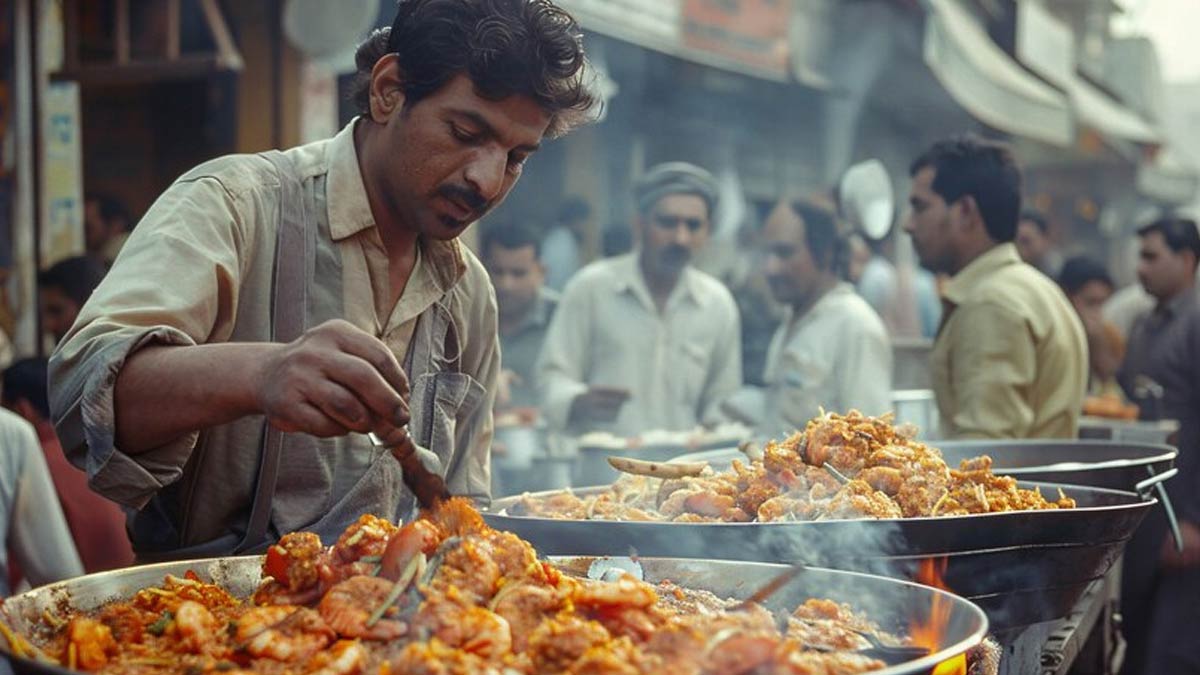
Some foods carry noticeably higher risk during monsoon, either because of how they're prepared, stored, or exposed to the elements. Edwina Raj lists several categories worth steering clear of:
- Uncovered or unhygienically prepared street food: This is one of the biggest culprits, since exposure to humid air and dust makes contamination far more likely.
- Raw salads and cut fruits sold outside: These may have been washed with unsafe water or handled without proper hygiene, making them risky during monsoon, specifically.
- Leafy green vegetables, if not washed and cooked properly, can carry more dirt, insects, and microbes during the monsoon. Thorough washing and cooking is essential before eating them.
- Seafood that isn't fresh: Spoiled seafood can cause serious food poisoning, so it should only be eaten when it's genuinely fresh and properly cooked.
- Stale leftovers left at room temperature: Food kept out for several hours allows bacteria to multiply quickly, making it unsafe to eat.
- Unpasteurised milk and dairy products: These should be avoided unless properly boiled or stored safely.
How Can Contaminated Food Harm Your Health?
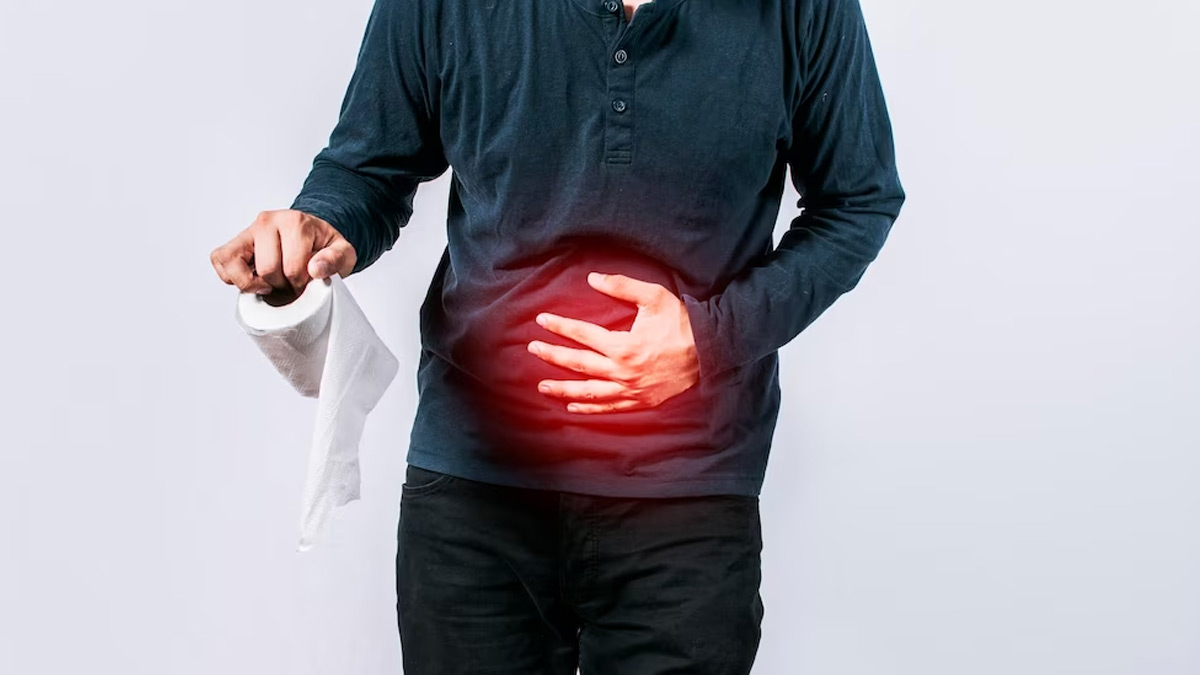
This isn't just about an upset stomach for a day or two. Edwina Raj is clear that eating contaminated food during monsoon can lead to a range of illnesses, including:
- Food poisoning
- Diarrhoea and vomiting
- Stomach cramps
- Typhoid
- Cholera
- Hepatitis A
- Other gastrointestinal infections
These conditions aren't only uncomfortable; they can actually exhaust the body. “These diseases may lead to dehydration, weakness and loss of valuable nutrients, particularly for children and the elderly," says Edwina Raj. A simple stomach upset can turn into a serious problem if treatment with fluids and nutrients is not correct.
Who Is Most at Risk During the Rainy Season?
While anyone can fall ill from contaminated food, some groups face a significantly higher risk during the monsoon. Edwina Raj specifically flags:
- People with weak immunity
- Those living with diabetes
- Individuals with chronic kidney disease
- People with liver disease
- Cancer patients
- Pregnant women
- Young children
- Older adults
For these groups, even a seemingly mild stomach infection carries more weight. As Edwina Raj puts it, "even a mild stomach infection can become serious if not treated promptly" for these individuals. If you or a family member falls into one of these categories, it's worth being extra cautious about food choices this season.
How to Stay Safe During the Monsoon

The positive side of the story is that this is mostly avoidable with some regular behaviours. Edwina Raj suggests the following health practices to help stay healthy during the rainy season:
- Eat freshly cooked meals rather than food that's been sitting out
- Drink clean, safe water at all times
- Wash fruits and vegetables thoroughly before cooking or eating
- Maintain good hand hygiene, especially before meals
- Store food properly in the refrigerator rather than at room temperature
- Avoid anything that smells unusual, looks spoiled, or has crossed its expiry date
None of these habits is complicated, but together, they make a real difference in reducing your risk of monsoon-related illness.
When Should You Seek Medical Help?
Most monsoon-related stomach troubles resolve with rest, hydration, and time. But some symptoms shouldn't be ignored. Edwina Raj advises seeking medical attention immediately if you experience:
- Persistent vomiting
- Severe diarrhoea
- High fever
- Blood in the stool
- Severe stomach pain
- Signs of dehydration, such as dizziness, very little urine, or extreme weakness
These symptoms can indicate something more serious than a routine stomach bug, and prompt medical care can prevent complications, especially for those in higher-risk groups.
ALSO READ- Is It Safe To Eat Mushrooms in Monsoon?
Conclusion
You don't need to be constantly worrying about what you're going to have to eat during the monsoon. As Edwina Raj puts it, "Adopting safe food handling practices during the rainy season can significantly lower the chances of infection and safeguard health in general.”
However, with a bit more attention to fresh food, washing produce before consumption, avoiding food on the street unless it is under a roof and storing leftovers correctly, you can keep your gut and your health safe during the rainy season.
FAQ
1. Is it safe to eat street food during the rainy season?
It is best to steer clear of street food that's left out by itself or prepared in unhygienic conditions since monsoon humidity makes it much easier for bacteria that can harm you to grow and contaminate the food.2. What should I do if I develop symptoms of food poisoning during the monsoon?
Drink plenty of fluids and rest if symptoms are mild. If you have ongoing vomiting, diarrhoea, fever or symptoms of dehydration, however, then get medical help straight away.
All possible measures have been taken to ensure accuracy, reliability, timeliness and authenticity of the information; however Onlymyhealth.com does not take any liability for the same. Using any information provided by the website is solely at the viewers’ discretion. In case of any medical exigencies/ persistent health issues, we advise you to seek a qualified medical practitioner before putting to use any advice/tips given by our team or any third party in form of answers/comments on the above mentioned website.
How we keep this article up to date:
We work with experts and keep a close eye on the latest in health and wellness. Whenever there is a new research or helpful information, we update our articles with accurate and useful advice.
-
Current Version
Jul 15, 2026 10:15 IST
Modified By : Vivek Kumar
Reviewed By : Edwina Raj Jul 15, 2026 10:15 IST
Published By : Vivek Kumar