
Fever is usually accompanied by chills. Have you wondered what the reason behind this is or whether chills can indicate something serious? Today, we will explain to you what causes fever with chills, its symptoms, treatment, and more.
To get a better understanding of this, the editorial team of OnlyMyHealth reached out to Dr Pooja Pillai, Consultant - Internal Medicine, Aster CMI Hospital, Bangalore, and Dr Gurjyot Singh Nanda, Consultant - Internal Medicine, Fortis Hospital Jalandhar.
What Causes Fever With Chills?
Explaining what fever and chills indicate, Dr Pillai says they are common signs that the body is fighting an infection. “Fever refers to a rise in body temperature and chills indicate the feeling of cold with shivering. Some of its most common causes include viral infections such as cold or flu, bacterial infections, urinary infections, throat infections, and diseases like malaria or dengue, while other causes include heat exhaustion, certain medicines, or inflammatory conditions,” adds the expert.
Dr Pillai adds, “In children, fever can also happen due to teething, vaccinations, or minor infections; while in adults, it is often linked to infections, stress, or chronic illnesses.”
 fever and chills 1
Symptoms Of Fever With Chills
Dr Pillai adds that symptoms of fever and chills include:
- High body temperature
- Sweating
- Shivering
- Headache
- Body pain
- Weakness
- Loss of appetite
- Dehydration (in some cases)
“Some symptoms linked to fever include high body temperature, tremors, excessive sweating, fatigue, headache, and muscle pain in children and adults. Other symptoms seen in children consist of irritability, loss of appetite and sluggishness,” says Dr Nanda.
 fever and chills 2
Is Fever Always Accompanied By Chills?
One common query is: Do fever and chills go hand-in-hand? “It is not uncommon for fever to be accompanied by chills, as the body tries to increase its core temperature during this period. Fever itself is not an illness, but a mechanism that triggers when the immune system tries to fight infections and inflammations. Although most fevers are due to viral and bacterial infections, others are due to illnesses such as heatstroke, and autoimmune disorders,” answers Dr Nanda.
The expert adds, “Fever may actually be the initial indicator something is amiss in the body. Instead of just treating the fever blindly, it is critical to consider the nature and symptoms of the fever as well as how long it has lasted.”
ALSO READ - How to Safely Return to the Gym After a Viral Illness, Expert Shares Insights
Can You Get Chills But No Fever?
Chills do not always signify fever. According to the Cleveland Clinic, these health conditions can also be the reason behind chills:
- Bacterial infections such as listeria, pneumonia, and urinary tract infections (UTIs).
- Cancers (for instance, leukemia).
- Drug withdrawal (substance abuse).
- Hangover.
- Low blood sugar (hypoglycemia) in diabetic people.
- Menopausal night sweats or hot flashes.
- Panic attacks.
- Parasite infections such as giardiasis.
- Sepsis.
- Viruses, including those that cause the flu.
 fever and chills 3
Are Chills A Symptom Of Viral Fever?
If you are wondering whether one of the symptoms of viral fever is chills, then let us tell you that the answer is: yes. Viral fever commonly causes shivering and chills. As per the Cleveland Clinic, chills are the body's involuntary responses. Shivering causes the muscles to contract and relax, which warms up the body. It can also be a sign that your body is fighting off an illness, infection, or other underlying health problem.
A 2026 study, published in The Journal of Physiology, attempted to understand the neural mechanism behind chills. It noted chills or shivering supports the body's response to infection. Researchers noted that chills are linked to amygdala, which is a hub in the brain’s emotional circuitry. It added a molecule released during infection that activates a pathway to this region. As a result, the sensation of cold, and driving warmth-seeking behavior is amplified. The findings concluded that the behavioral changes associated with fever are adaptive survival strategies, and not merely symptoms of infection.
How To Treat Fever And Chills?
Treatment depends on the cause of fever. “Mild fever can be treated at home by taking rest, drinking plenty of fluids like water, soups, or ORS, wearing light clothes, and keeping the room cool. Medicines such as paracetamol can help reduce fever in both children and adults, but should be taken in the proper dose as advised by a doctor,” says Dr Pillai.
The expert adds, “For children, it is important to monitor temperature regularly, keep them hydrated, and avoid giving adult medicines without medical advice. If the fever is due to bacterial infection, doctors may prescribe antibiotics, while viral infections usually improve with supportive care.”
Adding to this, Dr Nanda shares, “The treatment of fever depends on its root cause. However, some of the measures used in treating fever consist of adequate hydration, taking plenty of rest, and administering fever reducers like paracetamol.”
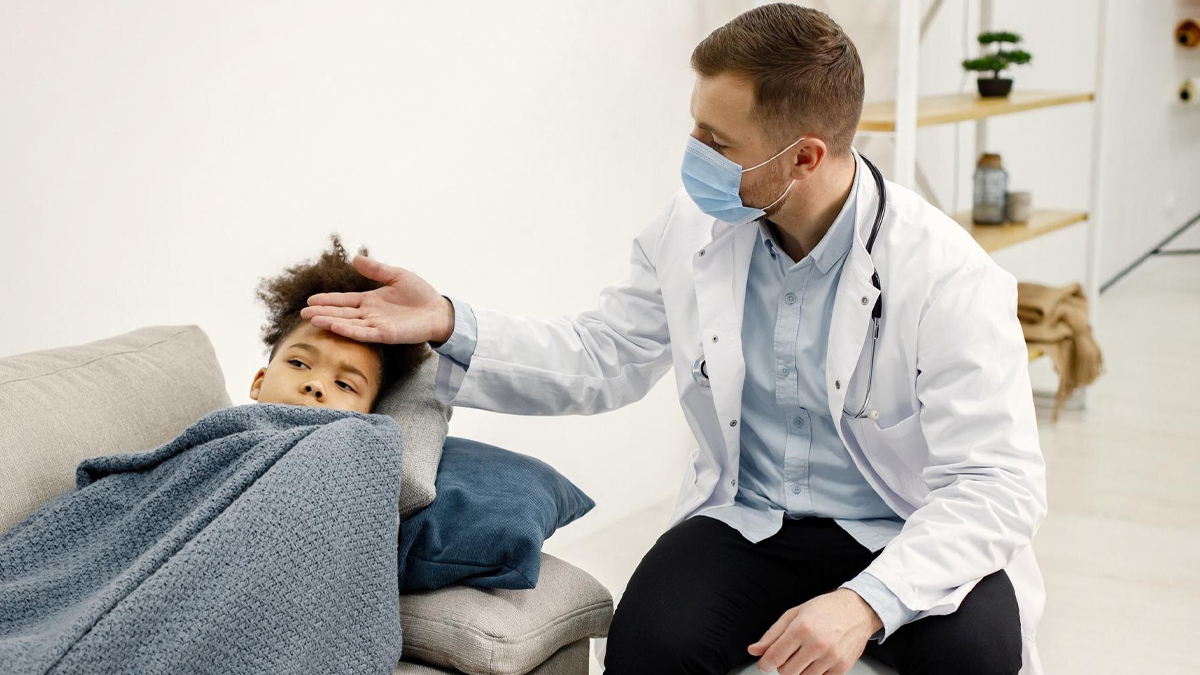 fever and chills 4
When To See A Doctor
Dr Pillai suggests you should see a doctor if fever lasts more than 2 to 3 days, is very high (above 103°F), or comes with severe symptoms such as rash, breathing difficulty, repeated vomiting, seizures, or extreme weakness. In children, urgent care is required if the child is very sleepy, not feeding, has continuous crying, or shows signs of dehydration like dry mouth and less urine.
ALSO READ - Is Fever an Early Sign of Pregnancy? Know From an Expert
Conclusion
Fever indicates a rise in body temperature and chills refer to shivering. Common causes of chills with fever include viral infections or other diseases and conditions. The treatment of fever depends on its cause. However, some of the measures used in treating fever include hydration, taking plenty of rest, or medicines. If the fever lasts for more than 2 to 3 days or the temperature rises above 102°F (39°C) and if there are other accompanying signs like difficulty breathing, constant vomiting, convulsions, rash, or confusion, then you must seek professional help.
FAQ
What causes chills with fever?
Fever with chills occurs when the immune system raises the body's temperature to fight infections or inflammation, causing muscles to shiver to generate heat.What is the fastest way to cure fever and chills?
The fastest way to reduce a fever and manage chills is by taking OTC medications, combined with adequate rest and hydration.Can you get chills with no fever?
Yes, chills without a fever commonly result from cold exposure, intense emotions (anxiety, fear, or excitement), low blood sugar, hypothyroidism, or the initial stages of a viral infection.How long do fever chills last?
Flu-related chills typically last 1 to 3 days, depending on how long your fever remains active.What are the signs of a serious chill?
Signs of a serious chill include difficulty breathing, chest pain, confusion, severe headache, or neck stiffness, requiring immediate medical attention.
All possible measures have been taken to ensure accuracy, reliability, timeliness and authenticity of the information; however Onlymyhealth.com does not take any liability for the same. Using any information provided by the website is solely at the viewers’ discretion. In case of any medical exigencies/ persistent health issues, we advise you to seek a qualified medical practitioner before putting to use any advice/tips given by our team or any third party in form of answers/comments on the above mentioned website.
How we keep this article up to date:
We work with experts and keep a close eye on the latest in health and wellness. Whenever there is a new research or helpful information, we update our articles with accurate and useful advice.
-
Current Version
Apr 10, 2026 17:49 IST
Modified By : Shruti Das Apr 10, 2026 17:49 IST
Modified By : Shruti DasApr 10, 2026 17:49 IST
Published By : Shruti Das
Reviewed By : Dr. Pooja Pillai