
Shortness of breath can be triggered by different factors such as anxiety, stress, or intense workouts. The medical term for shortness of breath is dyspnoea. What other causes can lead to dyspnoea? How to treat, diagnose and prevent this breathing issue? This article will explain all these queries, that too from an expert perspective. Keep reading.
To get a comprehensive picture of this from experts’ lens, the editorial team of OnlyMyHealth reached out to Dr Sunil Kumar K, Lead Consultant - Interventional Pulmonology, Aster CMI Hospital, Bangalore, and Dr Rominder Kaur, Additional Director, Respiratory Medicine, Fortis Escorts Hospital, Amritsar.
What Is Dyspnoea And What Are Its Causes?
Before we delve deep into dyspnoea, let us explain what it actually is. “Dyspnoea is a feeling of difficult or uncomfortable breathing, often described as breathlessness or not getting enough air. It can happen suddenly or develop slowly over time,” says Dr Sunil.
Regarding its causes, he adds, “Common causes include lung problems like asthma, infections, or Chronic Obstructive Pulmonary Disease (COPD), which affect airflow. Heart conditions such as heart failure can also lead to fluid build-up in the lungs, making breathing hard. Some of the other causes include anaemia, anxiety, obesity, or lack of fitness. High altitude or intense workout can also trigger it in some cases. Mild dyspnoea may get better with rest, but severe or sudden breathlessness should be checked by a physician.”
Dr Kaur explains that dyspnoea is a serious condition, stemming from underlying health issues, including:
- Lung Conditions: Asthma, COPD, pneumonia, and pulmonary embolisms limit airflow or damage lung tissue.
- Cardiac Issues: Congestive heart failure or coronary artery disease restrict the heart from pumping oxygenated blood efficiently.
- Systemic Factors: Factors such as anxiety can trigger hyperventilation.
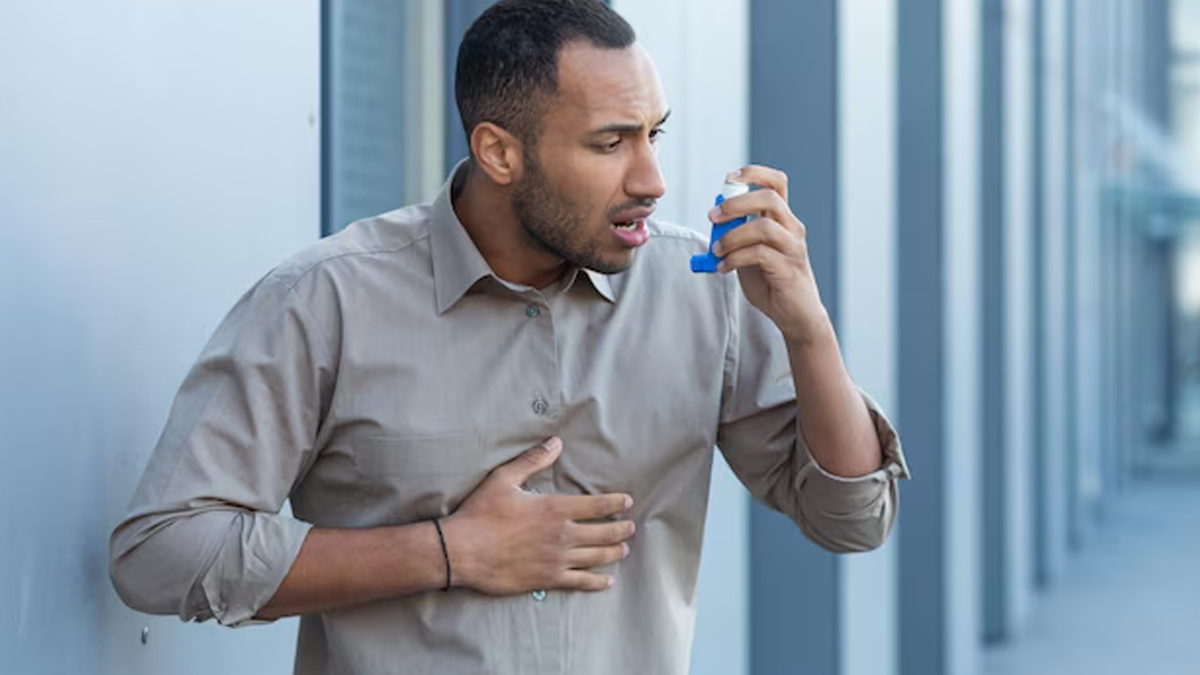 dysponea 1
According to a 2023 study, published in the Respiratory Medicine journal, cases of dyspnoea in adult general populations are tentatively around 10%. The findings noted that certain risk factors for developing dyspnoea are higher age, female gender, high BMI, and cardiac or respiratory disease. This information may be useful to doctors and researchers to identify individuals at risk.
ALSO READ - How to Stop a Panic Attack in Under 60 Seconds
What Are The Symptoms Of Dyspnoea?
How can you understand that what you are experiencing is dyspnoea? “Symptoms of dyspnoea vary depending on the severity and duration of the underlying condition,” says Dr Kaur, adding that common physical signs include:
- Laboured Breathing: A physical struggle to move air in and out of the lungs.
- Tachypnoea: A rapid, shallow breathing rate that goes beyond the normal range.
- Chest Tightness: A restrictive sensation that restricts full lung expansion.
- Wheezing or Gasping: Audible sounds during the respiratory cycle indicating airway obstruction.
- Orthopnoea: Shortness of breath that specifically worsens when lying flat.
- Cyanosis: A bluish tint on the lips or fingertips indicating poor oxygenation.Paroxysmal
- Nocturnal Dyspnoea (PND): A sudden episode of severe shortness of breath that disrupts your sleep and wakes you up, generally 1-3 hours after falling asleep. This may lead to gasping, coughing, wheezing, or being desperate for air. Relief comes within 10-30 minutes once you sit or stand, often with the urge to prop yourself up or open a window.
A 2019 study, published in the Indian Journal of Respiratory Care, depicted that dyspnoea is common among 221 patients suffering from COPD. The researchers found that the majority of patients (92.8%) experienced some level of dyspnoea, with 72% feeling moderate to severe breathing difficulties.
 dysponea 2
How To Diagnose Dyspnoea?
Diagnosis is the first step towards the treatment or management of a condition. “Diagnosis of dyspnoea begins with a doctor asking about symptoms, medical history, and possible triggers. The doctor will then check breathing, heart rate, and oxygen levels. Tests such as chest X-ray, Electrocardiogram (ECG), blood tests, or lung function tests may be done to find the cause. In some cases, CT scans or stress tests are also needed,” shares Dr Sunil.
Explaining this further, Dr Kaur says that the diagnosis needs to identify whether the origin is pulmonary, cardiac, or systemic. She adds that doctors use several diagnostic tools to identify the root cause of breathlessness, such as:
- Pulse Oximetry: This non-invasive test notes the blood oxygen saturation levels.
- Pulmonary Function Tests (PFTs): Tests such as spirometry quantify how much air the lungs can hold and how quickly the patient can exhaust it.
- Imaging: Chest X-rays or CT scans identify infections, fluid buildup, or structural damage.
- Blood Tests: Arterial Blood Gas (ABG) tests provide precise measurements of oxygen and carbon dioxide levels.
- ECG: This checks the heart's electrical activity for signs of failure or ischaemia.
As per the National Institutes of Health (NIH), to understand dyspnoea, doctors need to conduct a detailed medical history, physical exam, and specific tests such as chest X-rays, to find its root cause. It adds that treating dyspnoea depends on correctly identifying and managing the underlying medical condition responsible for the difficulty breathing.
 dysponea 3
Tips To Prevent Dyspnoea
Prevention goes a long way. Dr Kaur shares that certain proactive lifestyle changes can reduce the risk of developing respiratory distress. She lists the following tips for the same:
- Smoking Cessation: Avoiding tobacco can prevent further damage to the alveoli and airways.
- Environmental Control: Avoiding known allergens and pollutants can minimise lung inflammation.
- Weight Management: Maintaining a healthy weight minimises the metabolic demand on the heart and lungs.
- Exercise: Regular cardiovascular activity boosts the efficiency of the respiratory muscles.
Dr Sunil adds, “Managing conditions such as asthma or heart disease properly also helps prevent symptoms. Regular check-ups and following medical advice can minimise the risk of severe breathing problems.”
What Are The Treatment Options For Dyspnoea?
Let us understand how to treat dyspnoea. “Treatment of dyspnoea depends on its cause. Doctors may suggest oxygen therapy to improve breathing and increase oxygen levels in the body. Infections are treated with antibiotics if required. Lifestyle changes such as quitting smoking, regular workouts, and keeping weight in check can also help,” shares Dr Sunil. Elaborating this further, Dr Kaur lists the following tips:
- Pharmacotherapy: Bronchodilators relax the muscles around the airways. Corticosteroids minimise internal airway inflammation.
- Oxygen Therapy: Supplemental oxygen gives immediate relief for patients with chronic low blood oxygen levels.
- Pulmonary Rehabilitation: This program uses specialised breathing techniques and exercise training to increase lung capacity.
- Cardiovascular Management: Diuretics help remove excess fluid from the lungs in cases of heart failure.
The American Heart Association (AHA) states that the type of treatment required for dyspnoea depends on its underlying cause. If you are diagnosed with heart failure, its treatment may consist of medications like fluid pills (diuretics), angiotensin-converting enzyme inhibitors, digoxin, and beta-blockers. If asthma or chronic lung disease is the root cause, the treatment will consist of medications that reduce spasm or airway inflammation with oxygen. For an infection, you may be treated with an antibiotic.
 dysponea 4
When To See A Doctor About Dyspnoea
Dr Kaur notes that acute or worsening shortness of breath requires immediate medical evaluation. She adds that you must seek emergency care if you experience:
- Sudden Onset: Breathlessness that starts abruptly without an obvious cause.
- Associated Pain: Chest pain, pressure, or discomfort accompanying the breathing difficulty.
- Cyanosis: A bluish tint on the lips, skin, or fingernails indicating severe oxygen deprivation.
- Severe Oedema: Rapid swelling in the ankles or feet alongside breathing issues.
Conclusion
Dyspnoea describes the medical sensation of difficult or uncomfortable breathing. Patients often describe this feeling as ‘air hunger’ or an intense tightening in the chest. It is a symptom, not a disease, and often signals an underlying medical condition. It occurs when the brain receives signals that the oxygen supply cannot meet the body's physical demands. Seek immediate help if breathing difficulty is accompanied by chest pain, fainting, dizziness, bluish lips or fingers, or confusion, as these may be signs of a serious problem.
FAQ
What does the term dyspnoea mean?
Dyspnea is the medical term for shortness of breath, referring to the sensation of uncomfortable or difficult breathing, arising from different medical, environmental, psychological, and physiological factors.What is the cause of dyspnoea?
Dyspnoea is commonly caused by an underlying heart or lung condition such as asthma, COPD, pneumonia, or heart failure.Is dyspnoea serious?
Dyspnoea can be dangerous, especially if it occurs suddenly or severely, as it may indicate serious heart or lung issues.What does dyspnoea feel like?
Dyspnoea is an uncomfortable feeling, as if you are running out of air or unable to breathe properly and feel ‘air hungry’.
All possible measures have been taken to ensure accuracy, reliability, timeliness and authenticity of the information; however Onlymyhealth.com does not take any liability for the same. Using any information provided by the website is solely at the viewers’ discretion. In case of any medical exigencies/ persistent health issues, we advise you to seek a qualified medical practitioner before putting to use any advice/tips given by our team or any third party in form of answers/comments on the above mentioned website.
How we keep this article up to date:
We work with experts and keep a close eye on the latest in health and wellness. Whenever there is a new research or helpful information, we update our articles with accurate and useful advice.
-
Current Version
Apr 09, 2026 17:50 IST
Modified By : Shruti Das Apr 09, 2026 17:50 IST
Modified By : Shruti DasApr 09, 2026 17:50 IST
Published By : Shruti Das
Reviewed By : Dr Sunil Kumar K