The winter season is all about cosy blankets, warm comfort food, and, unfortunately, stiff joints, frequent colds, and flare-ups of chronic pain. The body experiences increased inflammation during cold weather, which creates a necessity to consume foods that enhance both immune function and overall health. This is where anti-inflammatory ingredients come into play.
Anti-inflammatory ingredients are foods that contain natural compounds which help to decrease body inflammation. The body experiences chronic inflammation that leads to various health problems, including joint pain, digestive troubles, heart disease and decreased immunity. The inclusion of anti-inflammatory foods in your daily winter diet can help you control pain while increasing the immune system's power and enhancing digestion, which protects an individual from seasonal illnesses.
Top Anti-Inflammatory Ingredients You Must Have In Your Diet In Winter
In an exclusive interaction with the editorial team of Onlymyhealth, Divya Gandhi, Dietitian and Nutritionist at Divya Gandhi's Diet & Nutrition Clinic, Delhi, shared three powerful, winter-friendly anti-inflammatory ingredients that deserve a place in your kitchen. These include:
1. Turmeric (Curcumin)
Turmeric has been a staple in Indian households for centuries for all the right reasons. Its active compound, curcumin, possesses both strong anti-inflammatory and antioxidant power. Turmeric functions as a winter treatment which prevents joint stiffness and muscle soreness while strengthening the immune system.
ALSO READ- What Foods Help Keep the Heart Healthy in Cold Weather?
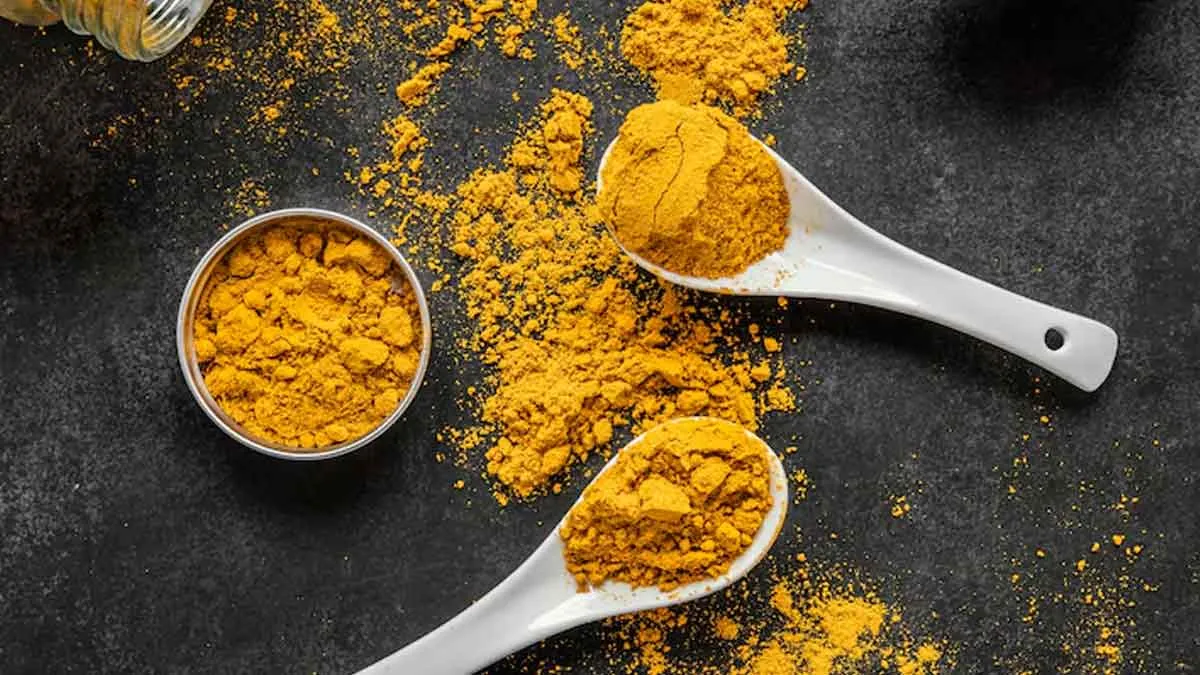
Divya highlighted that turmeric works best when consumed regularly with black pepper, as it improves curcumin absorption
“You can easily add turmeric to soups, dals, vegetable curries, stews, or even warm turmeric milk before bed. A herbal tea or broth combination with a pinch of turmeric can create a soothing effect which combats inflammation while providing warmth to the body,” she shared.
2. Ginger
Ginger provides substantial protection against inflammation in winter. The herb contains bioactive compounds, gingerol, that reduce muscle pain, joint discomfort and throat irritation brought by cold weather. "Ginger not only reduces inflammation but also improves circulation, which is crucial during colder months," said Divya. Fresh ginger can be grated into stir-fries, soups and curries. Divya suggested using it to make smoothies and to brew tea with lemon and honey. Studies show that ginger tea helps to relieve cold-induced pain by supporting digestion after eating heavy meals during winter.
ALSO READ- What Are Purple Foods? Here’s Why You Must Add Them To Your Winter Diet
3. Fatty Fish (Omega-3)
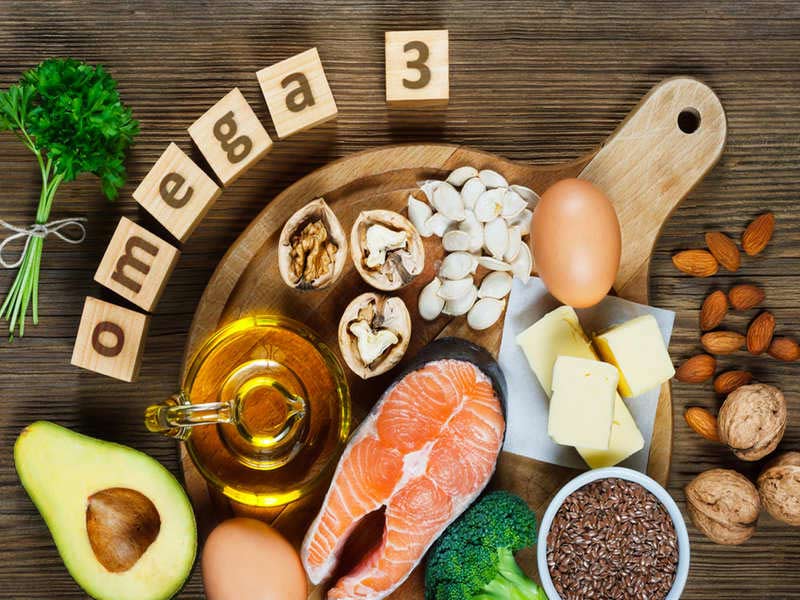
Fatty fish such as salmon, sardines, and mackerel are rich sources of omega-3 fatty acids, which are well-known to reduce inflammation in the body. It helps to reduce inflammation, support joint health, heart function and brain activity. "Omega-3 fatty acids are essential fats that the body cannot produce on its own, making dietary intake extremely important, especially in winter," noted Divya. People can have better control of body inflammation by eating grilled or baked fatty fish three times a week during their winter meals. Divya suggested meal planning by combining these foods with seasonal vegetables and warm grain bowls.
Bottomline
Winter inflammation doesn’t have to slow you down. Daily dietary intake of turmeric, ginger, and omega-3-rich fatty fish can help reduce inflammation naturally while boosting the immune system and maintaining overall health during the cold winter months.
FAQ
1. Can anti-inflammatory foods really help with winter joint pain?
Regular consumption of anti-inflammatory foods provides joint stiffness and pain relief throughout the year, but especially during colder months.2. How often should I consume turmeric and ginger in winter?
People should take both daily in small amounts through meals, teas, or warm beverages for consistent benefits.3. Are there alternatives to omega-3s if I don’t eat fish?
Plant-based sources such as flaxseeds, chia seeds and walnuts provide omega-3 fatty acids as alternatives to fish-derived omega-3s.
All possible measures have been taken to ensure accuracy, reliability, timeliness and authenticity of the information; however Onlymyhealth.com does not take any liability for the same. Using any information provided by the website is solely at the viewers’ discretion. In case of any medical exigencies/ persistent health issues, we advise you to seek a qualified medical practitioner before putting to use any advice/tips given by our team or any third party in form of answers/comments on the above mentioned website.

How we keep this article up to date:
We work with experts and keep a close eye on the latest in health and wellness. Whenever there is a new research or helpful information, we update our articles with accurate and useful advice.
-
Current Version
Jan 29, 2026 19:34 IST
Modified By : Tanya Srivastava Jan 29, 2026 19:34 IST
Modified By : Tanya SrivastavaJan 29, 2026 19:34 IST
Published By : Tanya Srivastava
Reviewed By : Dt Divya Gandhi