
Every fitness enthusiast insists on adding ‘more protein’ to your diet. In recent times, the benefits of protein have been talked about even more than ever. But there are certain misconceptions too regarding protein, which are often believed to be true by many. Today, we will break some of the most common protein myths – one step at a time.
To get an expert view on this, we reached out to Dr Geetika Chopra, Celebrity Holistic Nutritionist. Read ahead.
What Are The Benefits Of Protein?
As per a study published last year in Applied Physiology, Nutrition, and Metabolism, eating animal-sourced protein is not linked to a higher risk of death. It even stated that it may provide protective benefits against cancer-related mortality. To conduct this study, researchers analysed data from nearly 16,000 adults – aged 19 and older – using the National Health and Nutrition Examination Survey (1988-2006). The research examined the amount of animal and plant protein participants typically consumed and whether these patterns were linked with risk of death from heart disease, cancer or other causes.
 protein myth 1
On this note, let us take a look at some of the common benefits of protein:
1. Muscle repair and growth – Protein aids in repair and building of muscles, especially after intense physical activity. Exercise leads to small tears in muscle fibers. Protein provides the necessary amino acids to rebuild and strengthen the muscles.
2. Calorie burn and weight loss – Protein has a high thermic effect. This means the body uses more energy to digest it, as compared to fats and carbohydrates. This leads to an increase in calorie burn, making protein a valuable complement to a weight management program.
3. Satiety and appetite control – Protein helps in keeping you full longer than carbohydrates or fats. This helps reduce unhealthy snacking, and stay satisfied throughout the day.
4. Brain function and mental clarity – Protein-rich foods contain amino acids, which support brain health by producing neurotransmitters that regulate mood, focus and cognitive function.
5. Bone health – Protein supports bone health by helping to the formation of the bone matrix. This helps maintain bone density, which is crucial as we age.
Also Read: Plant-Based Proteins May Lower the Risk of Kidney Disease, Study Finds
Expert Busts 7 Common Protein Myths
On this note, Dr Chopra busts some of the most popular and commonly-believed protein myths. Let’s take a look:
Myth 1: Too Much Protein Is Bad For Your Kidneys
Expert Verdict: Mostly fake.
High protein intake does not harm healthy kidneys. Studies show that individuals with normal kidney function can safely consume higher protein diets. This myth mainly applies to people with chronic kidney disease, who may need to restrict protein under medical supervision.
Myth 2: Protein’s Main Role Is In Muscle Development
Expert Verdict: Fake.
Muscle building is only one of the roles played by protein. Protein is essential for hormones, enzymes, immune function, tissue repair, neurotransmitters, hair and skin health, and overall metabolism. Deficiency impacts the entire body, not just muscles.
 protein myth 2
Myth 3: Plant-based Diets Don’t Have Enough Protein
Expert Verdict: Fake.
Well-planned plant-based diets can provide sufficient protein through foods like dal, beans, chickpeas, tofu, soy, nuts, seeds, millets, and whole grains. The issue is not availability, but poor variety and planning.
Myth 4: Eating Too Much Protein Is Not Harmful
Expert Verdict: Fake.
Excessive intake far beyond requirements can lead to digestive issues, dehydration, nutrient imbalance, and calorie overload. Extremely high-protein diets may also reduce fibre intake, harming gut health. Balance matters.
Myth 5: Cutting Protein Is A Good Way To Achieve Weight Loss
Expert Verdict: Fake.
Reducing protein often increases hunger, cravings, muscle loss, and slows metabolism. Adequate protein supports satiety, stable blood sugar, and fat loss, making it essential for sustainable weight management.
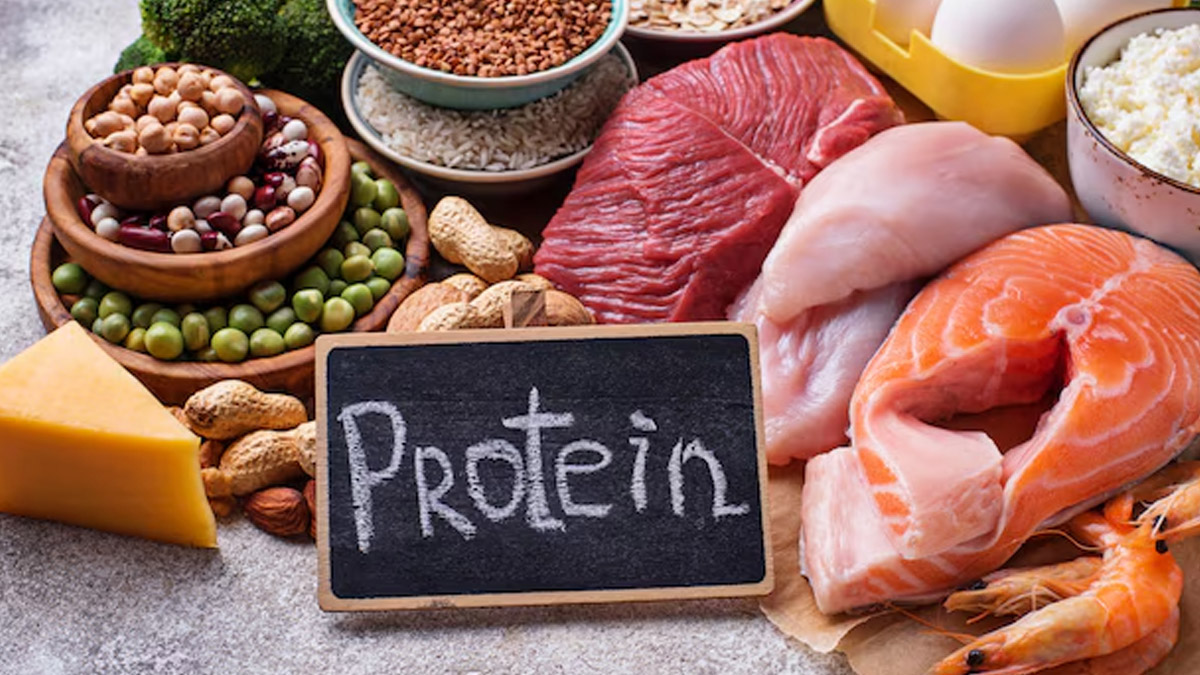 protein myth 3
Myth 6: Protein Powders Are Unnatural Or Unsafe
Expert Verdict: Mostly fake.
Protein powders are simply concentrated protein from dairy or plants. When chosen carefully (clean, tested, low in additives), they are safe and useful for people struggling to meet protein needs through food. Poor-quality products are the real issue.
Myth 7: Everyone Needs The Same Amount Of Protein
Verdict: Fake.
Protein requirements vary by age, activity level, muscle mass, pregnancy, illness, and metabolic health. A sedentary adult, an athlete, and an older person all need different amounts. Protein intake should always be personalised.
Also Read: Do Women Need More Protein In Diet Than Men?
The Final Word
Protein is an essential macronutrient made of amino acids that builds and repairs tissues, enzymes, and hormones. Protein-rich diets are promoted more than ever these days. But there are too many misconceptions regarding protein which are often believed to be true by many. One needs to be aware of what is factually right and what is a myth.
FAQ
Is protein timing a myth?
There is certain research that states how consuming protein immediately before or after workouts did not boost strength or muscle growth.Why do doctors say no to whey protein?
Doctors caution against whey protein due to potential kidney/liver strain, digestive issues, gut microbiome disruption, interactions with certain medications, among others.What happens if you eat too much protein?
Extra protein intake can also lead to elevated blood lipids and heart disease.
All possible measures have been taken to ensure accuracy, reliability, timeliness and authenticity of the information; however Onlymyhealth.com does not take any liability for the same. Using any information provided by the website is solely at the viewers’ discretion. In case of any medical exigencies/ persistent health issues, we advise you to seek a qualified medical practitioner before putting to use any advice/tips given by our team or any third party in form of answers/comments on the above mentioned website.
How we keep this article up to date:
We work with experts and keep a close eye on the latest in health and wellness. Whenever there is a new research or helpful information, we update our articles with accurate and useful advice.
-
Current Version
Jan 29, 2026 14:31 IST
Modified By : Shruti Das Jan 29, 2026 14:31 IST
Modified By : Shruti DasJan 29, 2026 14:31 IST
Published By : Shruti Das
Reviewed By : Dr Geetika Chopra