
Jaundice is a medical condition that leads to yellow skin and eyes due to high bilirubin. It is driven by issues such as hepatitis, gallstones, or blood cell breakdown. One question people often have about jaundice is: what to eat and what to avoid? The jaundice diet often seems confusing to many. There has been an age-old notion that jaundice patients should only eat boiled and bland food, devoid of any spices. Is this a myth or factually correct? To find the answer, read ahead.
Let us take a look at what Dr Tushar Tayal, Associate Director, Internal Medicine, CK Birla Hospital, Gurugram, has to say about it.
Jaundice Patients Should Only Eat Bland Food: Is It a Myth?
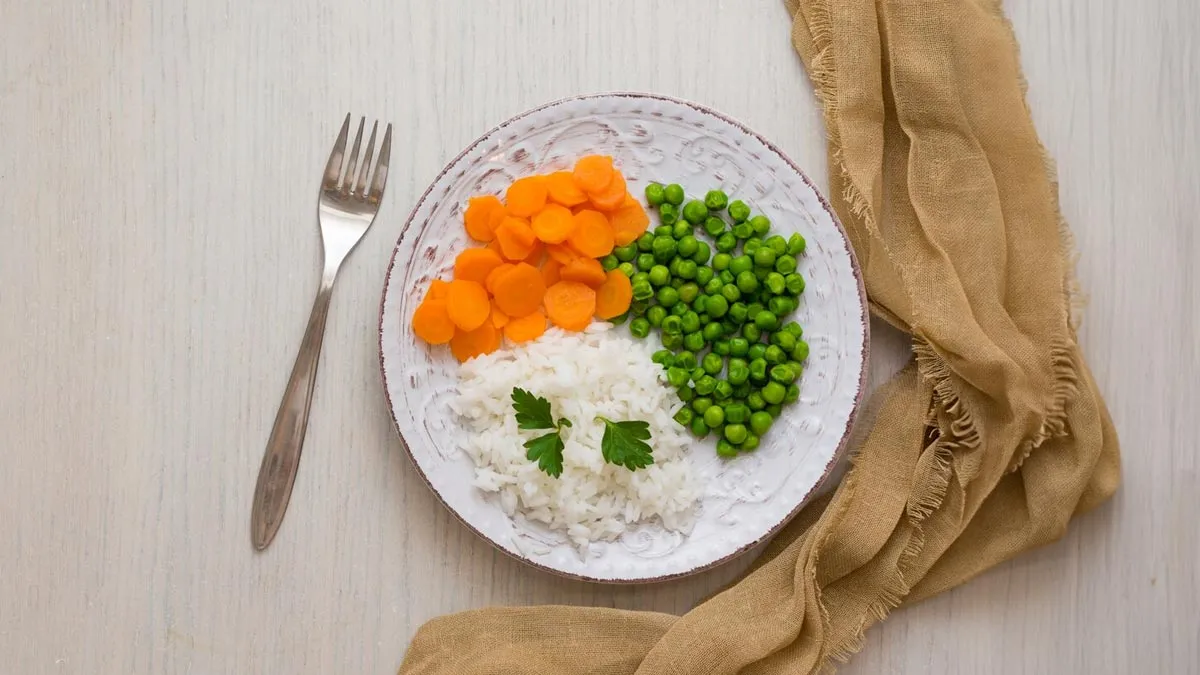
Dr Tayal says, “Ask anyone recovering from jaundice what they've been eating, and you'll almost certainly hear the same answer: boiled vegetables, plain rice, and not much else. Bland food has become so tightly linked with jaundice recovery that most people never stop to question whether it's actually necessary, or simply a habit passed down through generations.”
Busting the myth, the expert explains, “The idea that spicy, oily, or flavourful food will worsen jaundice is one of the most persistent beliefs around this condition. In reality, jaundice itself is not caused by food; it occurs when the liver struggles to process bilirubin properly, often due to infection, liver inflammation, or blocked bile flow. Food doesn't cause jaundice, and eating bland meals alone won't cure it either.”
 jaundice bland food 1
What is The Ideal Diet For Jaundice Patients?
What does an ideal meal platter for jaundice patients be like? Answering this, Dr Tayal says, “The liver is under strain during jaundice, and it does play a role in digesting fats. This is where the confusion often begins. Since bile helps break down fat, and jaundice can affect bile flow, very oily or heavy meals may feel harder to digest for some patients. This doesn't mean all flavour must disappear from the plate; it simply means the body may benefit from lighter, easier-to-digest meals for a while, rather than food stripped of taste altogether.”
What about spices? The expert explains, “Many families avoid all spices completely, assuming even mild seasoning will cause harm. In truth, mild spices such as turmeric, cumin, and coriander are generally well tolerated and may even support digestion. It's the excessive oil, deep-fried food, and very rich, heavy meals that tend to burden the liver more than seasoning itself.”
 jaundice bland food 3
Dietary Tips For Jaundice Patients
Dr Tayal says that rather than following bland-food rules blindly, it helps to focus on what genuinely supports liver recovery:
- Choose smaller, more frequent meals instead of large ones.
- Include plenty of fluids, fresh fruit, and vegetables to support hydration and digestion.
- Favour steamed, boiled, or lightly cooked meals over fried or greasy options.
- Include moderate protein, such as lentils or lean sources, to aid tissue repair.
- Avoid alcohol completely, as it places direct strain on the liver.
A 2025 study, published in the Sultan Qaboos University Medical Journal, analysed whether a mother's daily diet impacts the likelihood of her newborn baby developing jaundice. The researchers compared the dietary habits of mothers of 77 infants with jaundice to the mothers of 75 healthy infants.
The research specifically tracked how often mothers consumed foods traditionally classified in their culture as having a ‘hot’ nature or high dietary heat intensity, which included certain carbohydrates, fruits, and vegetables. The results depicted a direct connection between mothers who ate more of these warm-natured foods and their babies having higher levels of bilirubin. The research concluded that a mother's specific dietary choices can significantly influence the risk of her newborn experiencing neonatal jaundice.
 jaundice bland food 2
Jaundice: Symptoms and Preventive Tips
According to the Cleveland Clinic, here are the symptoms of jaundice:
- Yellowish tint to your skin and the whites of your eyes.
- Fever.
- Chills.
- Pain in your belly.
- Flu-like symptoms.
- Dark-colored pee.
- Pale-colored poop.
- Being tired or confused.
- Itchy skin.
Some general tips, as per the Cleveland Clinic, to prevent jaundice are as follows:
- Taking hepatitis vaccine.
- Having safe sex.
- Using clean needles.
- Practicing good personal hygiene such as regularly washing hands with soap and water.
- Staying within recommended alcohol limits.
- Maintaining a healthy weight.
- Avoiding natural and herbal supplements.
- Managing your cholesterol.
ALSO READ- Does Eating Meat Increase Uric Acid? Dietitian Weighs In
Conclusion
Jaundice recovery is not about punishing the palate with tasteless food; it's about reducing the burden on the liver through balanced, easily digestible meals. A little seasoning and variety won't undo recovery, but excessive oil, fried snacks, and alcohol certainly can. As always, dietary choices should be guided by a doctor's advice based on the individual's specific condition and severity.
FAQ
Can you eat papaya in jaundice?
Yes, you can safely eat ripe papaya when you have jaundice.Can you eat dahi in jaundice?
Yes, you can eat fresh, low-fat dahi (curd or yogurt) in moderate amounts during jaundice, as it is a natural probiotic that aids digestion.
All possible measures have been taken to ensure accuracy, reliability, timeliness and authenticity of the information; however Onlymyhealth.com does not take any liability for the same. Using any information provided by the website is solely at the viewers’ discretion. In case of any medical exigencies/ persistent health issues, we advise you to seek a qualified medical practitioner before putting to use any advice/tips given by our team or any third party in form of answers/comments on the above mentioned website.
How we keep this article up to date:
We work with experts and keep a close eye on the latest in health and wellness. Whenever there is a new research or helpful information, we update our articles with accurate and useful advice.
-
Current Version
Aug 03, 2026 17:53 IST
Published By : Shruti Das
Reviewed By : Dr Tushar Tayal