
Dealing with an anal fissure can be distressing, mainly because of the sharp pain and discomfort that it brings. But did you know that fixing your daily diet can be an effective step that can help you find relief? Moreover, diet helps prevent constipation and hard stools, which are crucial to avoid irritating the tear and delaying recovery.
To help you navigate a smoother healing process, Dr Brunda M S, Senior Consultant, Internal Medicine, Aster CMI Hospital, Bangalore shares specific foods you must absolutely avoid to prevent painful flare-ups.
Foods to Avoid if You Have Anal Fissure
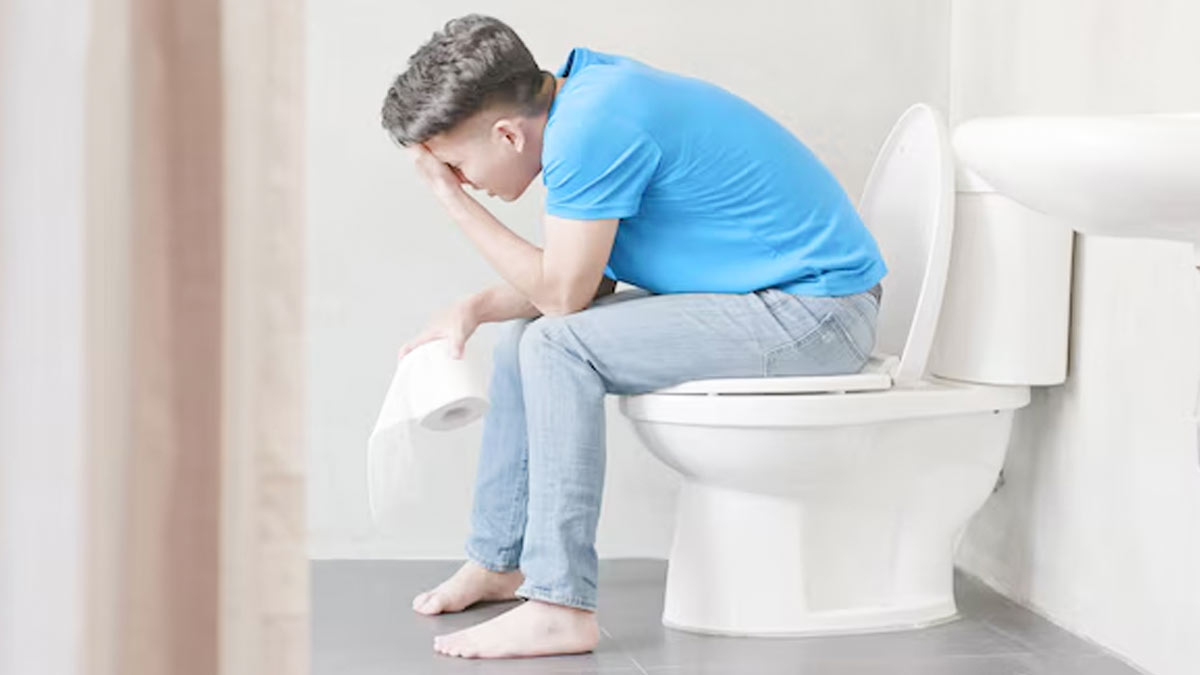
Dr Brunda says that if you have an anal fissure, your diet plays an important role in healing because hard stools and constipation can make the tear worse and delay recovery. On this note, the expert lists the foods that are best limited or avoided:
- Spicy foods – These may increase burning and discomfort during bowel movements.
- Processed and fast foods – Foods such as burgers, chips, and packaged snacks are usually low in fibre and can cause constipation.
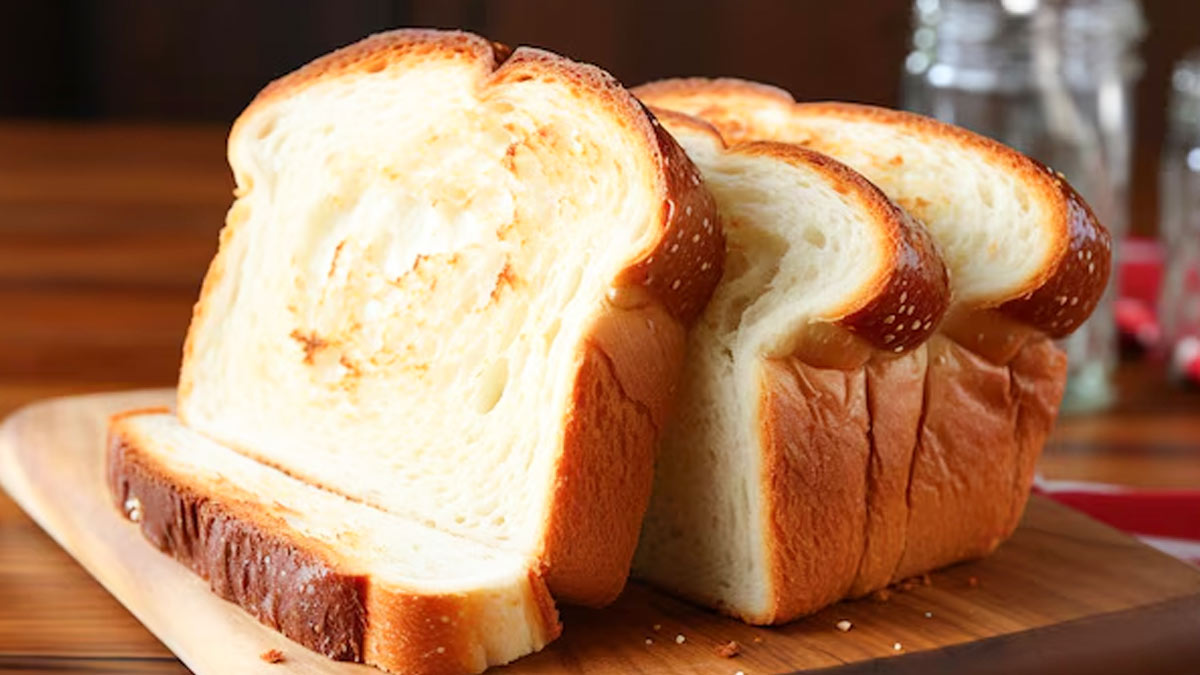
- Refined grains – Foods such as white bread, white rice, and pastries lack fibre.
- Red and processed meats – These may slow digestion and make stools harder.
- Fried, oily and highly processed sugary foods - These can contribute to poor digestion in some people. Foods like cakes, biscuits, and sweets often replace healthier fibre-rich foods.
- Excess cheese and full-fat dairy products – These may cause constipation in some individuals.
- Alcohol and too much caffeine – They can also contribute to dehydration, making stools harder and more difficult to pass if you are not drinking enough water.
 fissure food 1
A 2024 study, published in the BMC Nutrition journal, throws light on how adjusting your daily diet is important to prevent the tear from worsening into a severe, hard-to-heal complication known as a perianal fistula. This study discovered that patients who frequently consume hot chili peppers have a significantly higher risk of developing these painful anal fistulas. Spicy foods consist of fiery ingredients which can severely irritate the digestive tract and increase inflammation around the unhealed tear. The study thus recommended avoiding chili peppers and other spicy foods in your daily diet.
Dietary Do’s and Don’ts To Deal With Anal Fissure
Dr Brunda says that instead of focusing only on foods to avoid, you should also focus on which foods to include. For our better understanding, the expert lists them for us:
- Plenty of fibre-rich foods such as fruits, vegetables, whole grains, legumes, and seeds.
- Drink at least 2–3 litres of water daily unless your doctor advises otherwise.
- Regular physical activity.
- Avoid prolonged sitting on the toilet.
- Responding promptly to the urge to pass stool can also support faster healing and prevent constipation.
“Soft, well-formed stools reduce strain during bowel movements, allowing the fissure to heal more comfortably and lowering the chance of further tearing,” adds the expert.
 fissure food 2
A 2015 study, published in the Journal of Visceral Surgery, noted that successfully treating an anal fissure starts with simple but important dietary changes. It added that the main aim of a fissure-healing diet is to naturally soften the stool and help in regular bowel movements. The research noted that adopting a high-fibre diet, which is rich in fresh fruits, vegetables, whole grains, and legumes – paired with drinking plenty of fluids throughout the day – can ensure smooth bowel movements.
The study added that about 50% of patients with acute anal fissures can heal completely without any advanced medications or surgery with the help of healthy lifestyle changes.
When To See a Doctor
Dr Brunda MS says that most anal fissures heal within a few weeks with simple lifestyle changes, but persistent pain, bleeding, or difficulty passing stools should not be ignored.
The expert further explains, “A doctor may recommend stool softeners, medicated creams, or other treatments if home care is not enough, and surgery is considered only for chronic fissures that do not respond to medical treatment. Eating a balanced, fibre-rich diet and staying well hydrated are the most effective long-term habits to promote healing and reduce the risk of the fissure coming back.”
 fissure food 3
Conclusion
To deal with anal fissure, you must avoid trigger foods. Opt for a high-fibre diet and drink plenty of water, which are the most effective ways to ensure soft, painless bowel movements. However, if these simple lifestyle adjustments do not resolve your symptoms within a few weeks or if you experience persistent bleeding, seek immediate medical help.
FAQ
Can curd cure fissures?
Curd is excellent for managing anal fissures because it is rich in probiotics.Which drink is best for fissures?
The best drink for an anal fissure is plain, warm or room-temperature water.
All possible measures have been taken to ensure accuracy, reliability, timeliness and authenticity of the information; however Onlymyhealth.com does not take any liability for the same. Using any information provided by the website is solely at the viewers’ discretion. In case of any medical exigencies/ persistent health issues, we advise you to seek a qualified medical practitioner before putting to use any advice/tips given by our team or any third party in form of answers/comments on the above mentioned website.
How we keep this article up to date:
We work with experts and keep a close eye on the latest in health and wellness. Whenever there is a new research or helpful information, we update our articles with accurate and useful advice.
-
Current Version
Jul 02, 2026 17:37 IST
Modified By : Shruti Das Jul 02, 2026 17:37 IST
Modified By : Shruti DasJul 02, 2026 17:37 IST
Published By : Shruti Das
Reviewed By : Dr Brunda M S