
Typhoid is an extremely common illness during the rainy months. Its recovery diet during the monsoon season should focus on safe hydration, high-calorie soft carbohydrates, and easily digestible low-fibre foods. Your diet should be such that it does not strain your weakened gut. Strict hygiene is also vital to prevent worsening of the infection. Want to know more about typhoid recovery diet? Then this article is for you.
To understand this better, we reached out to Ms Edwina Raj, Head of Services, Clinical Nutrition and Dietetics, Aster CMI Hospital, Bangalore.
Typhoid Diet: Foods to Eat and Avoid For Recovery in Monsoon
Ms Raj says that after recovering from typhoid, especially during the monsoon season when the risk of infections can increase, the focus should be on a gentle, nutritious diet. The expert adds, “This helps the intestine heal and restores the body’s strength. This is because typhoid affects the digestive system and can cause symptoms such as loss of appetite, weakness, diarrhoea, abdominal discomfort, and poor digestion.”
Foods To Eat
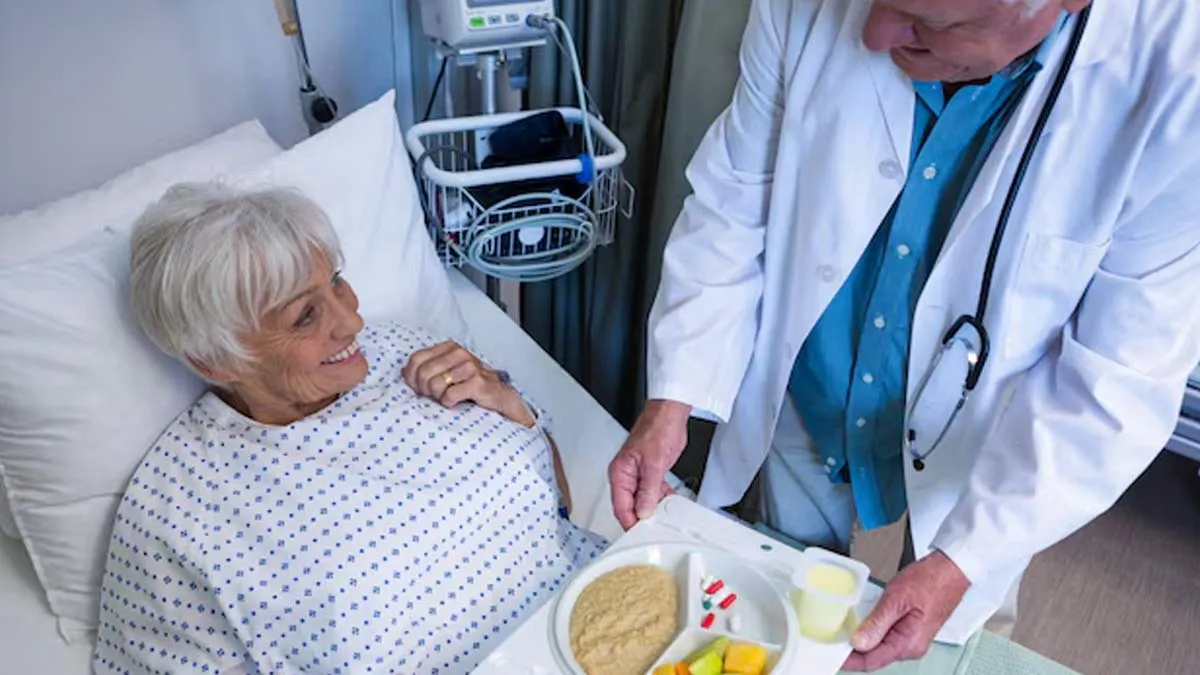
Ms Raj says that during the recovery phase, patients should choose easily digestible foods such as soft rice, khichdi, Idli, curd rice, boiled vegetables, soups, fruits like bananas and apples, and adequate fluids like clean water, coconut water, and oral rehydration solutions to prevent dehydration and support recovery.
The expert explains, “A balanced recovery diet should include enough protein. This is because the body needs it to repair tissues, rebuild immunity, and regain energy after fighting the infection. So foods such as dal, paneer, eggs, lean meats, fish, and well-cooked legumes can be gradually added based on tolerance. Probiotic foods such as fresh curd can help restore healthy gut bacteria that may be disturbed during illness or after antibiotic treatment. Foods rich in vitamins and minerals, including fruits and vegetables, should be added as well as they support immunity.”
 typhoid recovery diet 1
Foods To Avoid
Ms Raj warns that patients should avoid oily foods, spicy dishes, fried snacks, raw foods from outside, and unpasteurised dairy products during monsoon as they may irritate the recovering intestine or increase the risk of another infection.
Typhoid Recovery Diet: Things To Keep in Mind
Ms Raj says that during typhoid recovery, it is important to:
- Eat small, frequent meals, instead of heavy meals, as the digestive system may still be weak and unable to handle large portions.
- Take adequate rest.
- Keep yourself properly hydrated.
- Follow a complete course of antibiotics, as prescribed by the doctor. This is equally important for full recovery.
- Any signs such as persistent fever, severe abdominal pain, vomiting, blood in stools, or worsening weakness should be discussed with a healthcare professional. This is because a carefully planned diet along with medical care helps the intestines heal faster, improves energy levels, and reduces the chances of complications after typhoid infection.
 typhoid recovery diet 2
Symptoms and Causes of Typhoid
According to the Cleveland Clinic, typhoid symptoms can appear over a few weeks and they include:
- Fever that gradually gets worse over several days
- Headache
- Chills
- Loss of appetite
- Stomach (abdominal) pain
- Rose spots rash, or faint pink spots, usually on your chest or stomach
- Cough
- Muscle aches
- Nausea, vomiting
- Diarrhoea or constipation
 typhoid recovery diet 3
So what causes typhoid? The Cleveland Clinic notes that typhi bacteria causes typhoid. They live in the gut (intestines) of infected people or in your gallbladder, without causing symptoms. This means they may still be contagious even after you feel better. Typhoid fever generally spreads through food or water contaminated with S typhi. This can happen if:
- A typhoid infected person touches something you eat or drink with their unwashed hands.
- Waste water (water that has poop or pee in it) infects your drink or food.
- It can also spread if a person infected by typhoid doesn’t wash their hands after going to the bathroom, then touches surfaces and objects (such as doors or doorknobs). This can infect the next person who touches them.
ALSO READ- Why Is Food Poisoning More Common During Monsoon? Doctor Explains The Real Reasons
Conclusion
Recovering from typhoid during the rainy months needs special care. This is because your digestive system needs a gentle, nutrient-rich diet to heal properly. Focus on easily digestible foods, keep yourself hydrated, and avoid spicy or oily meals. All these can effectively restore your gut health and rebuild your immunity. Moreover, the infection spreads easily through contaminated food and water. Therefore, you should maintain strict personal hygiene and complete your prescribed course of antibiotics. Consult a doctor if any severe symptoms persist to ensure a safe, complete recovery.
FAQ
Can you drink milk with typhoid?
Yes, you can drink milk during typhoid, but it must be thoroughly boiled or pasteurised.Can you eat chicken after 15 days of typhoid?
Yes, you can eat chicken after 15 days if your typhoid fever is gone, appetite is back, and your digestion feels normal.
All possible measures have been taken to ensure accuracy, reliability, timeliness and authenticity of the information; however Onlymyhealth.com does not take any liability for the same. Using any information provided by the website is solely at the viewers’ discretion. In case of any medical exigencies/ persistent health issues, we advise you to seek a qualified medical practitioner before putting to use any advice/tips given by our team or any third party in form of answers/comments on the above mentioned website.
How we keep this article up to date:
We work with experts and keep a close eye on the latest in health and wellness. Whenever there is a new research or helpful information, we update our articles with accurate and useful advice.
-
Current Version
Aug 18, 2026 14:59 IST
Published By : Shruti Das
Reviewed By : Edwina Raj