
Going through the first pregnancy can be overwhelming. When it comes to what you want to eat, there's a lot of conflicting advice out there. The bright side is that there's no need for a complicated diet to keep a pregnancy healthy. It's certainly not a question of eating more, as it's a question of eating smarter. Read on to know what a clinical dietician has to say for a healthy and well-balanced diet during the first pregnancy.
What Are the Best Food Options for First-Time Pregnant Women?
Veena V, Chief Clinical Dietician and Head of Department, Clinical Nutrition and Dietetics at Aster Whitefield, Bangalore, explains that a healthy pregnancy diet should focus on quality rather than quantity. According to her, every meal should have a combination of protein, whole grains, fruits, vegetables, healthy fats, and dairy.
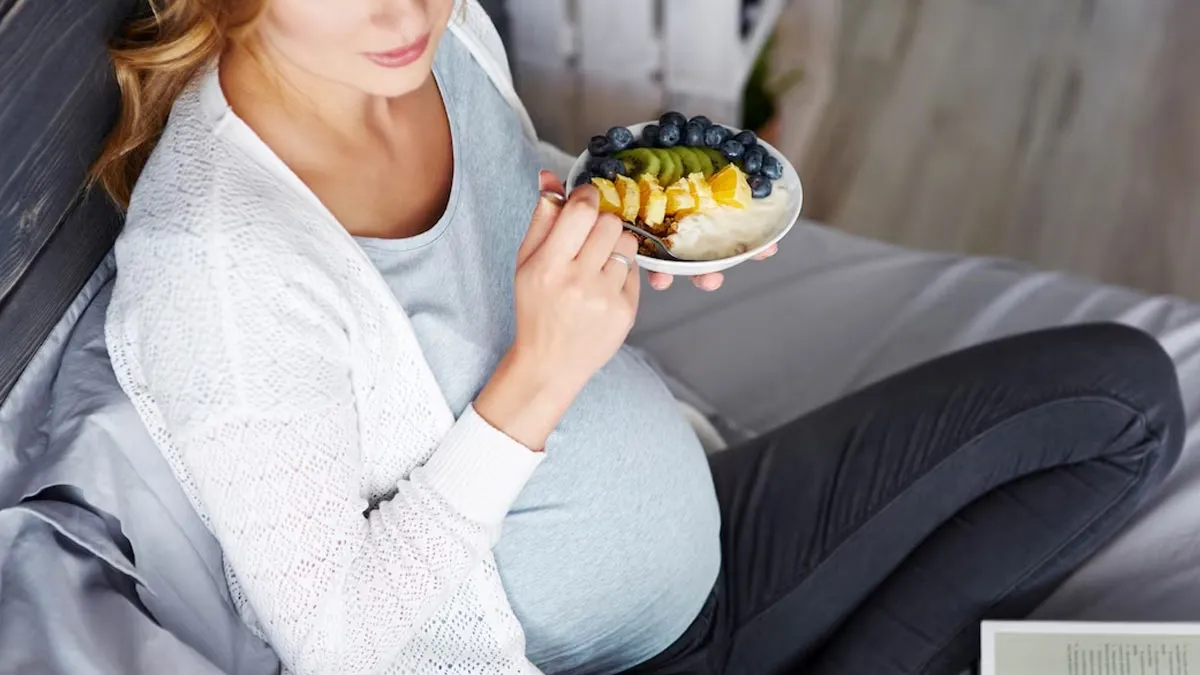
Some good choices to build meals around include:
- Protein sources: Eggs, dals, beans, paneer, lean meat, low mercury fish, curd, as protein is very important for the baby's growth and organ development.
- Whole grains: Oats, millets, brown rice and whole wheat for sustained energy
- Fruits and vegetables: Coloured fruits and vegetables providing vitamins, minerals and antioxidants
Foods with high iron, folate, calcium, vitamin D, iodine and omega 3 fats are also important during pregnancy, says Veena. Hydration is equally important and is about 2 - 3 litres a day unless directed otherwise by a doctor. Always follow doctor's orders for prenatal supplements as diet alone will not provide all the nutrients.
According to UNICEF, pregnant women don't need extra calories in the first trimester, but need around 340 more per day in the second trimester and 450 more in the third. Key nutrients include vitamin D for the baby's bones, vitamin B6 for red blood cells, vitamin B12 for nervous system development, and folic acid to help prevent brain and spine birth defects. Vegetarians and vegans should pay extra attention to iron, zinc, calcium, and B12 intake.
ALSO READ- Are Eggs Safe During Pregnancy? How Many to Eat and Who Should Avoid Them
What Should Pregnant Women Avoid Eating?
Along with the foods for your diet, there are also foods to avoid. Here are some foods and habits to steer clear of as a pregnant woman:
- Eggs, raw meat, seafood and unpasteurised milk products, as they can be sources of food-borne infections.
- Low mercury fish are okay to eat, and high mercury fish like shark, swordfish and king mackerel should not be eaten.
- Large amounts of caffeine (less than 200mg a day, which is approximately 1 to 2 cups of coffee)
- Alcohol – no amount is safe to consume.
- These are ultra-processed foods, sugary drinks, too much sweetness and high-sodium packaged food, which are all high in calories but low in nutrients.
Moreover, Veena warns that none of these herbal supplements or home remedies is proven safe during pregnancy. Therefore, it is important to get a healthcare professional's approval before using any of these.
What Else Should Pregnant Women Keep in Mind?

In addition to certain foods, Veena stresses that pregnancy is not a time to "eat for two" and to eat the right way. She suggests the following general behaviours:
- Gradual and appropriate weight gain based on mother's pre-pregnancy BMI, not too much or too little
- Small, frequent meals, as this can help control nausea, acidity and blood sugar level changes.
- Practising good food hygiene, getting a good night's sleep and regular prenatal check-ups.
- Walking or prenatal yoga, as medically appropriate, at a light level of activity
The expert emphasises women should not skip meals or follow an eating plan that is too restrictive in pregnancy. According to the U.S. Food and Drug Administration (FDA), eating a balanced diet before and during pregnancy helps protect both mother and baby.
Women should aim to get 400 micrograms of folic acid every day from supplements or fortified foods like enriched breads, rice, and corn masa flour. Folic acid is crucial during the first month of pregnancy because it prevents major birth defects of the brain and spine.

Fish is also an important part of a pregnancy diet. It provides key nutrients that support a developing baby's brain growth, though it is best to choose safe, low-mercury options. Finally, eating a variety of whole grains such as oats, brown rice, and whole wheat delivers essential fibre, vitamins, and minerals.
Importance of Personalised Advice
Dietary guidelines should be tailored to the individual, she says, since all pregnancies are different and specific to the nutritional status, medical conditions, e.g., gestational diabetes, thyroid disease and stage of pregnancy. Each woman's situation is unique and what is successful for one may not be for another. Therefore, it is best to work with a doctor or dietician to create a personalised diet plan for pregnancy that works for you.
ALSO READ- Are Eggs Safe During Pregnancy? How Many to Eat and Who Should Avoid Them
Conclusion
A well-balanced diet during these nine months supports not only the mother's health but also the baby's growth, brain development, and long-term wellbeing, as Veena puts it. Focusing on nutrient-dense meals, staying hydrated, avoiding known risks, and keeping portions sensible rather than excessive can make the entire pregnancy journey feel a lot more manageable.
FAQ
1. Is it safe to follow a vegetarian or vegan diet throughout pregnancy?
Yes, with a well-planned vegetarian/vegan diet, most nutritional needs can be met during pregnancy, although sometimes additional focus needs to be placed on nutrients that are most often associated with animal foods, such as B12, iron, and Omega-3 fatty acids. A dietitian can assist in determining appropriate plant-based sources or supplements to meet these deficiencies.2. How should food cravings be managed during pregnancy without overeating?
It's normal to have a craving every now and then, and that should not be stopped altogether, but where possible, having a nutritious alternative to the sweet, like eating fruit with the sweet, or having less of the sweet. It's important to maintain a balance throughout the day, not completely eliminating cravings.
All possible measures have been taken to ensure accuracy, reliability, timeliness and authenticity of the information; however Onlymyhealth.com does not take any liability for the same. Using any information provided by the website is solely at the viewers’ discretion. In case of any medical exigencies/ persistent health issues, we advise you to seek a qualified medical practitioner before putting to use any advice/tips given by our team or any third party in form of answers/comments on the above mentioned website.
How we keep this article up to date:
We work with experts and keep a close eye on the latest in health and wellness. Whenever there is a new research or helpful information, we update our articles with accurate and useful advice.
-
Current Version
Jul 23, 2026 12:31 IST
Modified By : Vivek Kumar Jul 23, 2026 12:31 IST
Modified By : Vivek KumarJul 23, 2026 12:31 IST
Published By : Vivek Kumar
Reviewed By : Ms Veena V