
Dietary fibre is often overlooked when people think about healthy eating. Many focus on protein, calories, or fats, but fibre quietly plays a central role in digestion, metabolism, and long-term health. Despite its importance, most people consume far less fibre than their bodies need each day. Low intake can lead to digestive discomfort, weight gain, blood sugar problems, and poor gut health over time.
According to Dr Geetika Chopra, Celebrity Holistic Nutritionist, New Delhi, dietary fibre is far more than just a digestive aid. “Fibre is not just about digestion, it is about how your entire metabolism functions,” she explains. Understanding the types of fibre, daily requirements, benefits, and food sources can help you make better dietary choices and support overall health in a simple, sustainable way.
What Is Dietary Fibre and Why Is It Important?
Dietary fibre is the indigestible part of plant-based foods. Unlike carbohydrates, proteins, or fats, fibre is not broken down by digestive enzymes in the body. Instead, it passes through the digestive tract and supports several essential functions along the way.
Dr Geetika Chopra explains, “Dietary fibre is the indigestible part of plant foods that plays a crucial role in gut and metabolic health.” This means fibre supports not only bowel health but also blood sugar control, weight balance, and heart health.
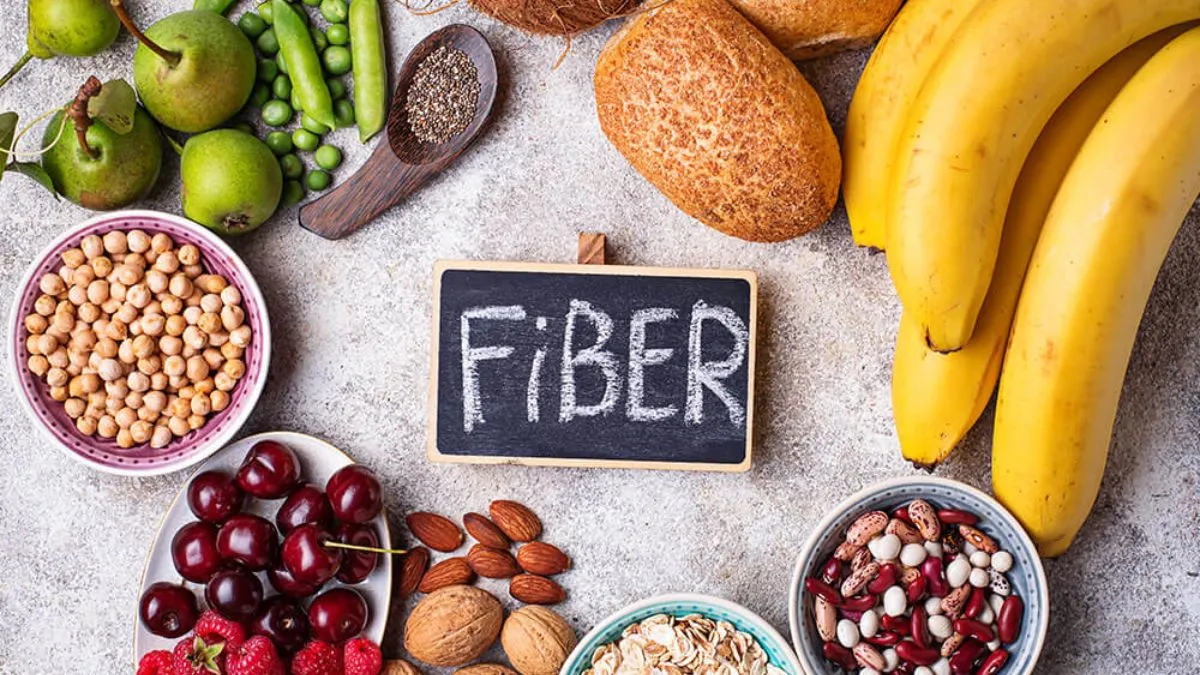
Fibre also feeds beneficial bacteria in the gut. These bacteria produce short-chain fatty acids, which help reduce inflammation and support immune function. In simple terms, fibre acts as fuel for good gut bacteria, helping maintain a balanced digestive system.
Another important role of fibre is regulating appetite. Foods rich in fibre take longer to digest, helping you feel fuller for longer and reducing the chances of overeating.
A research review published in the journal Nature Reviews Microbiology explains that dietary fibre is very important for overall health because it supports the growth of healthy gut bacteria and helps prevent many chronic diseases. The study found that fibre helps the body produce helpful substances in the gut that reduce inflammation and support digestion, metabolism, and immune function.
Types of Dietary Fibre and How They Work in the Body
“Both types of fibre work together to support gut health and metabolism,” says Dr Geetika Chopra. There are two main types of dietary fibre: soluble fibre and insoluble fibre. Each plays a different but equally important role in the body.
Soluble Fibre
It dissolves in water and forms a gel-like substance inside the digestive tract. This gel slows down digestion and helps regulate how nutrients are absorbed. Dr Chopra explains, “Soluble fibre helps slow digestion, regulate blood sugar levels, and lower cholesterol.” Because it slows glucose absorption, soluble fibre is especially helpful for people managing diabetes or insulin resistance.

Common sources of soluble fibre include:
- Oats
- Chia seeds
- Flaxseeds
- Apples
- Legumes such as lentils and beans
These foods not only support digestion but also help reduce LDL cholesterol, which lowers the risk of heart disease.
Insoluble Fibre
It does not dissolve in water. Instead, it adds bulk to stool and helps move waste through the digestive tract. Dr Chopra notes, “Insoluble fibre adds bulk to stool and helps improve bowel movement and prevent constipation.”
Good sources of insoluble fibre include:
- Whole grains
- Vegetables
- Bran
- Millets
- Leafy greens
This type of fibre is particularly important for maintaining regular bowel movements and preventing constipation.
Why Both Types Matter
Both soluble and insoluble fibres are essential. Together, they support gut microbiota, improve nutrient absorption, and help reduce inflammation. Dr Chopra emphasises, “Both types work together to support gut microbiota, improve nutrient absorption, and reduce inflammation.”
ALSO READ- Fibre Explained: Types, Benefits, Sources, and What Happens If You Don’t Get Enough
How Much Dietary Fibre Do You Really Need Each Day?
“Most people are significantly under-consuming fibre,” says Dr Chopra. Fibre requirements vary depending on age and gender. However, studies and clinical experience consistently show that many individuals do not meet recommended daily intake levels.
Dr Chopra shares the following general recommendations:
- Women: 25–30 grams per day
- Men: 30–38 grams per day
- Children: 15–25 grams per day (depending on age)
She adds, “In clinical practice, I often see people consuming barely 10–15 grams, which is far below optimal levels.” Low fibre intake often happens because modern diets rely heavily on processed foods. Refined grains, packaged snacks, and sugary foods typically contain very little fibre.

Increasing fibre intake should be done gradually. A sudden increase may cause bloating or discomfort. Drinking enough water is also important, as fibre absorbs water and helps move waste through the digestive system.
A clinical review published in StatPearls (NCBI Bookshelf) explains that adults need a specific amount of dietary fibre each day to support good health and prevent chronic diseases. The study states that the recommended daily intake is about 25 grams for women and 38 grams for men, or around 14 grams of fibre for every 1,000 calories eaten.
Health Benefits of Eating Enough Fibre
“A fibre-rich diet is one of the most powerful tools for long-term health,” says Dr Chopra. Consuming enough fibre daily supports multiple aspects of health, from digestion to heart function.
An umbrella review published in 2025 in the journal Clinical Nutrition analysed data from more than 17 million people. Strong evidence was found that eating enough dietary fibre is linked to better overall health and a lower risk of many diseases. The researchers reported that higher fibre intake was associated with reduced risk of heart disease, digestive disorders, and some cancers.
Supports Gut Health
One of the primary benefits of fibre is improving gut health. Fibre feeds beneficial gut bacteria, which produce short-chain fatty acids that help reduce inflammation. Dr Chopra explains, “Fibre improves gut health by feeding beneficial bacteria, which produce short-chain fatty acids that reduce inflammation.”
A healthy gut microbiome supports digestion, immune health, and overall well-being.
Helps Control Blood Sugar
Fibre slows glucose absorption, which helps prevent sudden spikes in blood sugar levels. Dr Chopra notes, “Fibre helps in blood sugar control by slowing glucose absorption, making it essential for diabetes and insulin resistance.”
This benefit makes fibre-rich foods especially valuable for individuals at risk of diabetes.
Supports Weight Management
High-fibre foods increase satiety, helping people feel fuller for longer periods. Dr Chopra shares, “Fibre supports weight management by increasing satiety, reducing cravings, and preventing overeating.”
This effect helps reduce unnecessary snacking and calorie intake.
Improves Heart Health
Fibre plays an important role in lowering cholesterol levels.
Dr Chopra explains, “Fibre supports heart health by lowering LDL cholesterol and reducing cardiovascular risk.”
This benefit contributes to better long-term cardiovascular health.
Supports Hormonal Balance
Another lesser-known benefit of fibre is its role in hormone regulation. Dr Chopra states, “Fibre supports hormonal balance by aiding in the elimination of excess hormones and toxins from the body.” This function supports metabolic health and hormonal stability.
Signs and Health Risks of Dietary Fibre Deficiency
“Low fibre intake is extremely common and often ignored,” says Dr Chopra. Fibre deficiency often develops gradually. Early signs may appear mild but can worsen over time.
A 2024 research study published in Frontiers in Nutrition found that low dietary fibre intake is strongly linked to digestive problems and long-term health risks. The study explained that people who eat too little fibre are more likely to develop constipation, poor gut health, and metabolic problems such as obesity and type 2 diabetes. Researchers also noted that low fibre intake can disturb the gut microbiome, which may increase inflammation and raise the risk of chronic diseases over time.
Early Signs of Low Fibre Intake
Common early symptoms include:
- Constipation
- Bloating
- Irregular bowel movements
- Frequent hunger or cravings
These symptoms often indicate that the digestive system lacks sufficient bulk and support.
Long-Term Health Risks
Over time, chronic low fibre intake can lead to more serious health problems. Dr Chopra explains that long-term deficiency may lead to:
- Weight gain
- Insulin resistance
- High cholesterol
- Poor gut health
- Increased risk of colon disorders
She also notes, “From a clinical perspective, I often see that chronic inflammation and gut issues are deeply linked to low fibre intake.”
Addressing fibre deficiency early can prevent many of these long-term complications.
Best Natural Food Sources of Dietary Fibre
“I always recommend getting fibre from whole, natural foods,” says Dr Chopra. Whole foods provide fibre along with essential vitamins, minerals, and antioxidants. Supplements may help in certain cases, but natural food sources remain the best option for most people.
Whole Grains are one of the richest sources of dietary fibre.
Examples include:
- Oats
- Brown rice
- Quinoa
- Millets
These foods support digestive health and help maintain stable energy levels.
Fruits: Many fruits provide both soluble and insoluble fibre.
Examples include:
- Apples
- Pears
- Berries
- Guava
Eating fruits with the skin increases fibre intake.
Vegetables add bulk and nutrients to meals.

Examples include:
- Broccoli
- Carrots
- Spinach
- Beetroot
Regular vegetable intake supports digestion and gut health.
Legumes: They particularly high in fibre and protein.
Examples include:
- Lentils
- Chickpeas
- Beans
These foods are staple components of balanced diets.
Seeds and Nuts: They are concentrated sources of fibre and healthy fats.
Examples include:
- Chia seeds
- Flaxseeds
- Almonds
They can be easily added to meals or snacks.
When Should You Worry and See a Doctor?
“Persistent digestive symptoms should never be ignored,” says Dr Chopra. Occasional digestive discomfort is common, but persistent symptoms may require medical attention.
You should consider consulting a doctor if you experience:
- Persistent constipation
- Severe bloating
- Unexplained weight gain
- Ongoing digestive discomfort
Dr Chopra advises, “If increasing fibre suddenly causes discomfort, it may indicate gut sensitivity or imbalance, and professional guidance is needed.”
Early medical advice helps identify underlying digestive or metabolic issues.
ALSO READ- Low Oxalate Diet Explained: How It Helps Prevent Kidney Stones
Conclusion
Dietary fibre is far more than a digestive aid. It is a key factor in metabolic health, gut balance, and long-term disease prevention. Yet, many people unknowingly consume less than half of the recommended daily intake. Understanding the different types of fibre, daily requirements, and natural food sources can help build healthier eating habits.
As Dr Chopra emphasises, fibre should be seen as a daily necessity rather than an afterthought. Including fibre-rich foods in every meal supports digestion, appetite control, heart health, and overall well-being.
FAQ
1. What is dietary fibre and why is it important?
Dietary fibre is the indigestible part of plant foods that supports digestion, gut health, blood sugar control, and heart health. It helps regulate bowel movements and feeds beneficial gut bacteria.2. How much dietary fibre should adults consume daily?
Most adults should aim for:Women: 25–30 grams per dayMen: 30–38 grams per dayHowever, many people consume far less than these recommended amounts.3. What happens if you don’t eat enough fibre?
Low fibre intake can cause constipation, bloating, cravings, and irregular bowel movements. Long-term deficiency may lead to weight gain, insulin resistance, and poor gut health.4. What are the best high-fibre foods to eat daily?
Good fibre sources include oats, lentils, beans, fruits, vegetables, whole grains, seeds, and nuts. Traditional meals with dal, vegetables, and whole grains also provide significant fibre.5. Can eating too much fibre be harmful?
Yes, increasing fibre too quickly can cause bloating, gas, or discomfort. It is best to increase fibre gradually and drink enough water to support digestion.
All possible measures have been taken to ensure accuracy, reliability, timeliness and authenticity of the information; however Onlymyhealth.com does not take any liability for the same. Using any information provided by the website is solely at the viewers’ discretion. In case of any medical exigencies/ persistent health issues, we advise you to seek a qualified medical practitioner before putting to use any advice/tips given by our team or any third party in form of answers/comments on the above mentioned website.
How we keep this article up to date:
We work with experts and keep a close eye on the latest in health and wellness. Whenever there is a new research or helpful information, we update our articles with accurate and useful advice.
-
Current Version
Apr 20, 2026 17:19 IST
Modified By : Vivek Kumar Apr 20, 2026 17:19 IST
Modified By : Vivek KumarApr 20, 2026 17:19 IST
Published By : Vivek Kumar
Reviewed By : Dr Geetika Chopra