
Kidney stones are often the result of what we eat and how our bodies process minerals. For those who suffer from the most common type, calcium oxalate stones, adjusting your daily intake of specific natural compounds is essential. A Low Oxalate Diet for Kidney Stones is a targeted nutritional approach that limits foods high in oxalate, a substance that can bind with calcium in your urine to form painful crystals.
The primary goal of this diet is to reduce the amount of oxalate your kidneys have to filter. When oxalate levels in the urine drop, the risk of stone formation decreases significantly. However, it isn't just about avoiding certain foods; it's about balance, hydration, and understanding how different nutrients interact in your digestive system. To help you navigate these dietary changes, we spoke with Dr M M Satish Kumar, Senior Consultant - Nephrologist and Transplant Physician, SPARSH Hospital, Infantry Road, Bangalore.
What Is a Low Oxalate Diet and How Does It Help?
According to Dr M M Satish Kumar, a low oxalate diet aims to reduce the intake of foods that contain high amounts of oxalate. He explains, “A low oxalate diet focuses on limiting foods that contain high levels of oxalate, a natural compound that can bind with calcium in the urine and form calcium oxalate kidney stones, the most common type of kidney stones.”
-1734338849596.webp)
By lowering oxalate intake, the body excretes less oxalate through urine, which may reduce the likelihood of crystal and stone formation.
Research published in the Clinical Journal of the American Society of Nephrology (CJASN) explains that a low-oxalate diet is a targeted approach to prevent the most common type of kidney stones: calcium oxalate. Oxalate is a natural compound found in many healthy foods like spinach, nuts, and beets.
As per the study, when there is too much oxalate in your urine, it binds with calcium to form hard crystals. By limiting high-oxalate foods and increasing calcium intake during meals, you can prevent these crystals from forming. This diet essentially starves the stone-making process, significantly reducing the risk of painful recurrences and long-term kidney irritation.
ALSO READ- Lithotripsy for Kidney Stones: How It Works, Types, and Recovery
High-Oxalate Foods Kidney Stone Patients Should Limit
Certain foods naturally contain higher levels of oxalate. Consuming them frequently or in large amounts may increase the risk of calcium oxalate stone formation in people who are prone to kidney stones. Dr Kumar notes that moderation is important when consuming such foods.
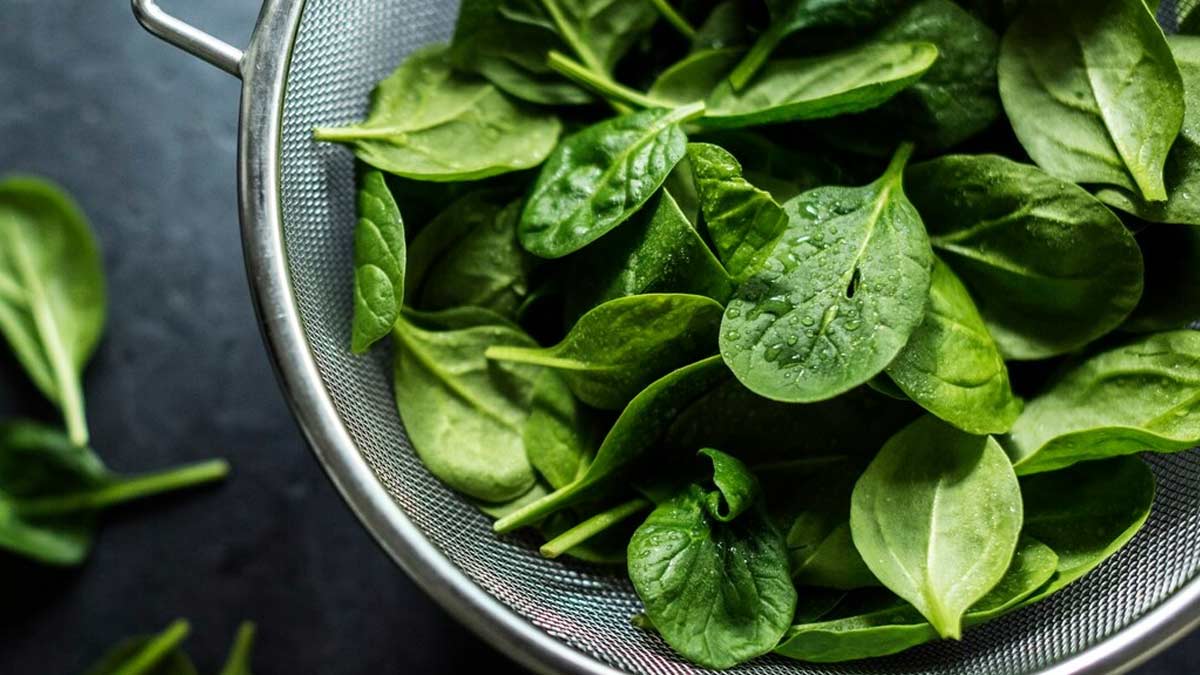
Foods High in Oxalates
- Spinach
- Beetroot
- Rhubarb
- Nuts
- Chocolate
- Tea
- Soy products
- Sweet potatoes
These foods are not necessarily harmful, but limiting portion sizes and frequency of intake can help reduce the overall oxalate load in the body.
Low-Oxalate Foods That Are Safe and Beneficial
Fortunately, many nutritious foods are naturally low in oxalates and can be included in a kidney-friendly diet. Dr Kumar says, “Fruits like bananas, apples, melons, and papaya, as well as vegetables such as cabbage, cauliflower, cucumber, and mushrooms, are generally safe choices for people prone to kidney stones.”
Examples of Low-Oxalate Foods
- Fruits
- Bananas
- Apples
- Melons
- Papaya
- Vegetables
- Cabbage
- Cauliflower
- Cucumber
- Mushrooms
- Other helpful options
- Dairy products
- Whole grains in moderate amounts
- Plenty of water and fluids
Including these foods may help maintain proper hydration and reduce the risk of stone formation.
Why Calcium Intake Should Not Be Avoided
Many people believe that avoiding calcium can prevent kidney stones. However, experts suggest that balanced calcium intake may actually help reduce the risk. Dr Kumar explains, “Consuming calcium-rich foods along with moderate oxalate-containing foods can actually help reduce the risk of kidney stones.”
This is because calcium binds with oxalate in the intestine, preventing excess oxalate from being absorbed into the bloodstream. As a result, less oxalate reaches the kidneys and enters the urine.
Another study published in the New England Journal of Medicine (NEJM) famously debunked the myth that cutting out calcium prevents kidney stones. In reality, calcium acts like a magnet in your digestive tract. When you eat calcium-rich foods (like yoghurt or cheese) alongside foods containing oxalate, the two bind together in the stomach and intestines before they ever reach your kidneys.
Who Should Follow a Low Oxalate Diet?
A Low Oxalate Diet for Kidney Stones is commonly recommended for:
- People who have previously developed calcium oxalate kidney stones
- Individuals with recurrent kidney stones
- Patients with high oxalate levels in urine
- People with conditions that increase oxalate absorption
However, dietary changes should ideally be made under the guidance of a healthcare professional to ensure balanced nutrition.
Can a Low Oxalate Diet Prevent Kidney Stone Recurrence?
Dr Kumar notes that dietary changes can play an important role in long-term prevention. He says, “Following a low oxalate diet along with adequate hydration can significantly reduce the chances of crystal formation in urine.”

However, kidney stone prevention usually requires a combination of strategies, including:
- Adequate water intake
- Balanced calcium consumption
- Reduced salt intake
- Healthy lifestyle habits
A 2024 research review from the International Journal of General Medicine found that lowering oxalate intake can help reduce the risk of kidney stones coming back. It was especially in people who form calcium oxalate stones, the most common type. The study explained that eating fewer high-oxalate foods can lower the amount of oxalate in urine, which reduces the chance of new stones forming.
However, researchers also noted that this diet works best when combined with normal calcium intake and good hydration, because calcium helps bind oxalate in the gut and prevents it from reaching the kidneys. In simple terms, a low-oxalate diet can help prevent recurrence, but it works best as part of a balanced diet plan rather than on its own.
Are There Any Precautions With a Low Oxalate Diet?
While limiting oxalate intake can be beneficial, overly restrictive diets may cause nutritional imbalance. Dr Kumar cautions, “Some high-oxalate foods, such as nuts and certain vegetables, also provide essential nutrients. Completely eliminating them may lead to nutritional imbalance.”
Instead of strict elimination, experts recommend moderation and balanced meal planning. Research supports the role of diet in managing kidney stone risk.
According to a study on PubMed, reducing dietary oxalate intake can help lower urinary oxalate levels and decrease the risk of calcium oxalate stone formation. Researchers also emphasise the importance of adequate hydration and balanced calcium intake in preventing kidney stones.
When to See a Doctor
Seek medical attention if you experience:
- Severe pain in the back or side
- Blood in urine
- Persistent nausea or vomiting
- Pain during urination
- Fever or chills
These symptoms may indicate kidney stones or another urinary condition. Consult a doctor for a professional diagnosis and treatment.
ALSO READ- Is Lemon Water Good For Kidney Stones? What Experts Have To Say
Conclusion
A low-oxalate diet for Kidney Stones can be an effective dietary approach for people prone to calcium oxalate stones. By limiting high-oxalate foods, maintaining adequate hydration, and ensuring balanced calcium intake, individuals may lower their risk of stone formation.
Understanding how everyday foods influence kidney health empowers people to make better dietary choices. When combined with medical guidance and healthy lifestyle habits, these steps may help support long-term kidney health and reduce the chances of recurring kidney stones.
FAQ
1. What is a low-oxalate diet for kidney stones?
A low oxalate diet limits foods high in oxalate to reduce the risk of calcium oxalate kidney stones, the most common type2. Which foods should be avoided on a low oxalate diet?
Foods like spinach, beetroot, nuts, chocolate, tea, and soy products are high in oxalates and should be limited.3. Can I eat calcium if I have kidney stones?
Yes. Eating calcium-rich foods in balanced amounts may help prevent kidney stones by binding oxalate in the gut.4. How much water should I drink on a low oxalate diet?
Most people should aim for 2–3 litres of water daily, unless advised otherwise by a doctor.5. Are fruits allowed on a low oxalate diet?
Yes. Many fruits like bananas, apples, melons, and papaya are naturally low in oxalates and safe to eat.
All possible measures have been taken to ensure accuracy, reliability, timeliness and authenticity of the information; however Onlymyhealth.com does not take any liability for the same. Using any information provided by the website is solely at the viewers’ discretion. In case of any medical exigencies/ persistent health issues, we advise you to seek a qualified medical practitioner before putting to use any advice/tips given by our team or any third party in form of answers/comments on the above mentioned website.
How we keep this article up to date:
We work with experts and keep a close eye on the latest in health and wellness. Whenever there is a new research or helpful information, we update our articles with accurate and useful advice.
-
Current Version
Apr 12, 2026 12:40 IST
Modified By : Vivek Kumar Apr 12, 2026 12:40 IST
Modified By : Vivek KumarApr 12, 2026 12:40 IST
Modified By : Vivek KumarApr 12, 2026 12:40 IST
Published By : Vivek Kumar
Reviewed By : Dr Arpit Srivastava