
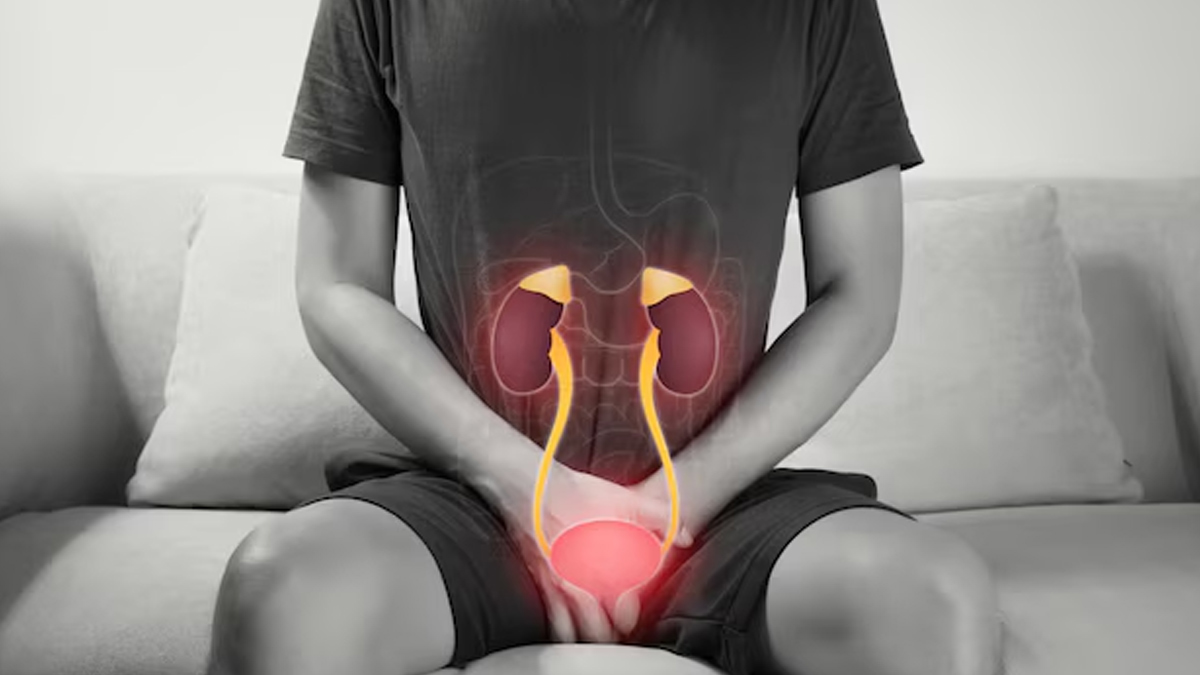
Kidney stones are a common urinary problem, and while pain is the most common symptom, frequent urination is also a prevailing symptom. Kidney stones cause frequent urination mainly because they irritate the inner lining of the urinary tract, especially when they move closer to the bladder. This irritation creates a constant sensation that you need to urinate, even if your bladder isn’t actually full.
In simple terms, your body gets ‘confused.’ The nerves in your bladder send repeated signals to your brain, making it feel like you need to pee again and again. This can be uncomfortable, disruptive, and often worrying, especially if you don’t yet know the cause.
How Stones Irritate the Bladder
The primary reason kidney stones cause frequent urination is localised irritation. Dr Aditya Nayak, Consultant Nephrologist, Zen Annexe, Zen Multispeciality Hospital, Chembur, Mumbai, explains, "Kidney stones tend to irritate the lining of the urinary tract when they move into the urinary bladder. As a result, a person may feel the urge to urinate frequently, and this can steal their peace of mind."

When a stone sits near the trigger zone of the bladder, the bladder muscles may contract or spasm. This makes you feel like you need to go immediately, even if you only produce a few drops of urine. This persistent phantom fullness is a classic sign of lower ureteral stones.
A review published in the journal International Journal of Molecular Medicine explains that kidney stones can move from the kidney into the ureter or bladder, where they irritate the urinary tract lining. This irritation stimulates nearby nerves and creates symptoms such as urgency and frequent urination. The study notes that when stones cause obstruction or inflammation, the bladder sends repeated signals to empty, even if little urine is present.
What’s really happening?
- The stone touches and irritates the bladder walls
- Nerve endings get triggered repeatedly
- The brain receives signals of a full bladder
- You feel the urge to urinate, even with little urine
- This is why the symptom feels so persistent and hard to ignore.
ALSO READ- Can Exercise Help Prevent Kidney Stones? We Asked an Expert
Is Frequent Urination an Early Warning Sign?
In many cases, the sudden urge to urinate can indicate that the stone is moving. According to Dr Nayak, this can sometimes be an early symptom when a stone moves closer to the bladder. However, it rarely happens in isolation. For many, the journey of a stone begins with renal colic, that sharp, stabbing pain in the back, but as the stone descends, the pain shifts lower and the frequency increases.
You should look for a symptom cluster, including:
- Lower Abdominal Pressure: Discomfort below the navel.
- Urinary Urgency: A sudden, compelling need to urinate that is difficult to delay.
- Dysuria: A burning sensation during urination.
- Hematuria: Urine that appears pink, red, or tea-colored.
Small Stones vs Large Stones: Does Size Matter For Frequent Urination?
You might think only a giant stone could cause such a fuss, but even tiny crystals can be troublemakers. "Even small kidney stones can irritate the lining of the urinary tract, increasing the urge to urinate frequently," says Dr Nayak. Since the lining of the ureter and bladder is incredibly sensitive and highly innervated, even a 2mm stone can trigger significant discomfort.
In fact, smaller stones are often more likely to reach the lower urinary tract, where they can irritate the bladder. Larger stones might remain stuck higher up in the kidney, causing a dull ache but perhaps less frequent urination until they begin to move.

A 2023 study published in BMC Urology found that larger urinary stones were more likely to cause stronger urinary symptoms, including frequent urination, because they irritate the bladder lining more and may block urine flow. However, the study also noted that smaller stones can still cause symptoms, especially when they move toward the bladder and irritate nearby tissues. This shows that while size matters, both small and large stones can lead to frequent urination depending on their location and irritation level.
Kidney Stone or UTI? How to Tell the Difference
It is notoriously difficult to tell a stone from a Urinary Tract Infection (UTI) based on feeling alone. Both cause urgency, frequency, and burning. However, a UTI is caused by bacteria, whereas a stone is a physical obstruction.
Dr Nayak clarifies that it is not possible to differentiate between the two clinically just by looking at the symptoms. To get a clear answer, doctors typically perform:
Urine analysis: To check for bacteria (infection) or crystals (stones).
Ultrasonography: An ultrasound of the abdomen and pelvis to physically locate a stone.
CT Scan: Often the gold standard for spotting even the smallest stones.
A research review published in the journal World Journal of Urology explains that kidney stones and UTIs often share symptoms. They include frequent urination, pain during urination, and blood in urine, which makes them hard to tell apart without tests. The study noted that urine tests and imaging scans, such as ultrasound or CT, are usually needed to confirm the exact cause. It also found that people with kidney stones had a much higher risk of developing UTIs, showing how closely the two conditions are linked.
Why the Urge Persists Even When the Bladder is Empty
One of the most frustrating aspects of this condition is the constant urge, even after you've just used the restroom. Dr Nayak notes that the irritation can create a feeling of bladder fullness even when very little urine is present. This is because the stone acts as a constant physical stimulus to the nerves that tell your brain it’s time to go. It’s essentially a sensory glitch caused by the stone’s presence at the bladder neck.
A research review published in Current Bladder Dysfunction Reports explains that the urge to urinate can continue even when the bladder is empty. It is because irritation or inflammation makes the bladder nerves extra sensitive. These nerves send repeated signals to the brain, creating a feeling of fullness or urgency even when there is very little urine. The study notes that this hypersensitivity can occur when the bladder lining is irritated by conditions such as kidney stones, infection, or inflammation.
Treatment and Management Options
If a stone is causing you to lose sleep or peace of mind, medical intervention may be necessary. Depending on the size and location of the stone, Dr Nayak outlines the following options:
1. Medical Management
Certain medications, such as alpha-blockers, can help relax the muscles in your ureter. This makes it easier for the stone to pass and may reduce the irritation that causes frequent urination. While some medications aim to dissolve specific types of stones (like uric acid stones), success is not always guaranteed.
2. Endoscopic Lithotripsy
This is a common, minimally invasive choice. "A narrow probe with a camera and a stone breaker is inserted through the urinary aperture under observation, painlessly," says Dr Nayak. This allows the doctor to trace the stone and break it into pieces that are small enough to flush out.
3. Surgical Removal
For very large stones or those that are causing a total blockage (obstructive stones), traditional or laparoscopic surgery may be required to protect the kidney from damage.
Prevention: Keeping the Bladder Calm
Once the stone is gone, the frequent urination usually vanishes almost immediately. To keep it from coming back:
- Hydrate Aggressively: Aim for enough water to keep your urine clear.
- Reduce Sodium: Salt pulls calcium into your urine, creating the seeds for new stones.
- Monitor Oxalates: If you are prone to calcium-oxalate stones, limit foods like spinach and beets.
When to See a Doctor
Frequent urination due to any medical condition should be promptly evaluated. Dr Nayak warns that if left unchecked, it may lead to serious complications of the urinary tract. Seek immediate help if you experience:
- High Fever/Chills: This suggests the stone has caused an infection (urosepsis).
- Inability to Urinate: A sign of a total blockage.
- Intense Nausea: Often accompanies the severe pain of a moving stone.
ALSO READ- Kidney Stone Diet: What to Eat and Avoid
Conclusion
Understanding that kidney stones cause frequent urination helps shift the focus from bladder issues to renal health. By recognising that this urge is often a sign of irritation rather than just a full bladder, you can seek the right diagnostic tests, like an ultrasound, early on. This knowledge empowers you to move past the discomfort and find a treatment plan that restores your quality of life.
FAQ
1. Can kidney stones cause frequent urination without severe pain?
Yes, especially when the stone moves close to the bladder, it can trigger frequent urination even before severe pain begins.2. Why do I feel the urge to urinate even when little urine comes out?
This happens because the stone irritates the bladder lining, making it feel full even when it isn’t.3. Does frequent urination from kidney stones happen all day or only sometimes?
It can come and go, depending on the stone’s movement and how much irritation it causes.4. Can drinking more water reduce frequent urination caused by kidney stones?
Drinking water may help flush small stones and dilute urine, but it may not stop the urge completely if irritation continues.5. How long does frequent urination last with kidney stones?
It usually continues until the stone passes, moves away from the bladder, or is treated.
All possible measures have been taken to ensure accuracy, reliability, timeliness and authenticity of the information; however Onlymyhealth.com does not take any liability for the same. Using any information provided by the website is solely at the viewers’ discretion. In case of any medical exigencies/ persistent health issues, we advise you to seek a qualified medical practitioner before putting to use any advice/tips given by our team or any third party in form of answers/comments on the above mentioned website.
How we keep this article up to date:
We work with experts and keep a close eye on the latest in health and wellness. Whenever there is a new research or helpful information, we update our articles with accurate and useful advice.
-
Current Version
Apr 09, 2026 15:54 IST
Modified By : Vivek Kumar Apr 09, 2026 15:54 IST
Modified By : Vivek KumarApr 09, 2026 15:54 IST
Published By : Vivek Kumar
Reviewed By : Dr Arpit Srivastava