
Kidney stones are small, hard deposits that form inside your kidneys, often causing excruciating pain. While many people believe that only dehydration or genetics are to blame, your daily diet plays a massive role. Specifically, researchers have found that high sodium intake is a primary driver for stone formation, affecting millions of people who consume hidden salts in processed foods.
To answer the pressing question: Can salt cause kidney stones?, the answer is a definitive yes. When you consume too much salt, your kidneys are forced to flush out extra calcium through your urine. This excess calcium then clusters with other minerals to form stones. To understand this process better and learn how to protect your renal health, we spoke with Dr Arun Kumar N, Senior Consultant - Nephrologist & Renal Transplant Physician, SPARSH Hospital, Yeshwantpur, Bangalore.
How Salt Causes Kidney Stones
According to Dr Arun Kumar N, high sodium intake can directly affect how the kidneys handle calcium. He explains, “Excess salt intake increases the amount of calcium excreted in the urine, a condition known as hypercalciuria. When urinary calcium levels rise, it can combine with oxalate or phosphate and form kidney stones.”

Dr Kumar further notes that high sodium intake also reduces the kidney’s ability to reabsorb calcium efficiently. As a result, diets consistently high in salt may significantly increase the risk of developing calcium-based kidney stones, which are the most common type.
A review from the Journal of Clinical Medicine, published in 2022, explains that dietary sodium alters the risk of stone formation through its effect on urinary calcium excretion. Greater sodium intake expands extracellular fluid volume and inhibits renal tubular calcium reabsorption, thus increasing urinary calcium.
For each 100 mmol (2300 mg) increase in dietary sodium, urinary calcium excretion increases by roughly 1 mmol (40 mg) in healthy adults; among calcium stone-formers, the increase in urinary calcium excretion is even greater. If you have already had kidney stones, your body is even more sensitive to this process, meaning salt causes your calcium levels to spike even higher than they would in a healthy person, significantly increasing your risk of a new stone forming.
ALSO READ- Is Protein Linked to Kidney Stones? Here Is What You Need to Know
Common High-Sodium Foods That May Increase Risk
Many everyday foods contain hidden salt, even when they don’t taste very salty. Frequent consumption of these foods can increase sodium levels and raise kidney stone risk.
Foods Often High in Sodium
- Packaged snacks such as chips and namkeen
- Instant noodles and ready-to-eat meals
- Canned soups and sauces
- Pickles and processed foods
- Processed meats like sausages and salami
- Fast food items such as burgers and fries
- Condiments like soy sauce, ketchup, and seasoning mixes
Dr Kumar says that regularly eating these foods can increase urinary calcium levels, which may contribute to kidney stone formation over time.
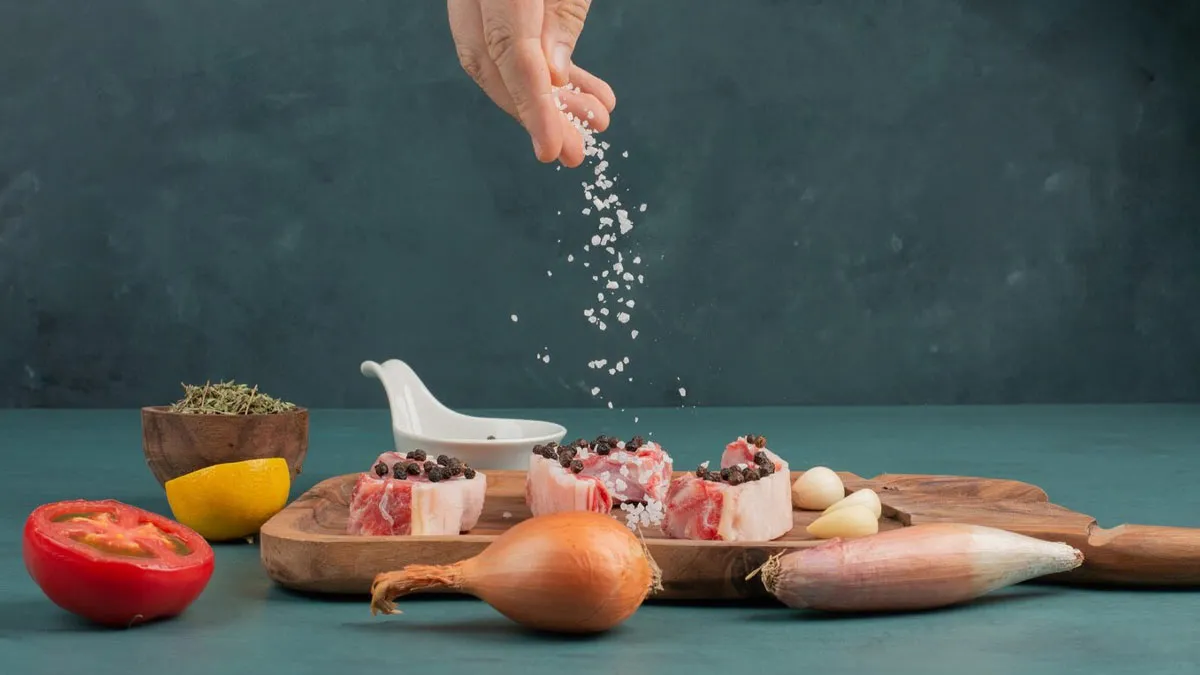
As per a study from Biocomputing, an academic journal in 2024, investigated whether the simple habit of adding salt to meals at the table increased the risk of kidney failure, especially in people with a genetic predisposition. Adding extra salt to your meals significantly raises your risk of long-term kidney damage.
The study found that people who always added salt to their food had a higher chance of developing kidney disease compared to those who never did. This happens because salt increases blood pressure and forces the kidneys to work much harder. Most importantly, the research showed that if you already have a genetic risk for kidney problems, adding salt is even more dangerous for you.
Early Signs You May Be Eating Too Much Salt
Many people consume more salt than they realise. The body may show subtle warning signs when sodium intake becomes excessive.
Possible Symptoms of High Salt Intake
- Persistent thirst
- Bloating
- Headaches
- Swelling in hands or feet
- Fatigue
- Increased blood pressure
Dr Kumar explains that these symptoms may appear mild at first. However, long-term high salt intake can strain the kidneys and increase the risk of both hypertension and kidney stones.
As per a research article in the AHA Journals, published in 2026, eating too much salt is a leading cause of heart attacks and strokes. It was found that even small, hidden amounts of salt in daily foods like bread and takeaway meals add up to cause massive health problems. Specifically, for the UK population alone, high salt intake is responsible for over 100,000 extra cases of heart disease and 25,000 strokes that could be prevented over 20 years.
Which Organs Are Affected by Excess Salt?
While the kidneys are directly involved in filtering sodium, other organs may also be affected. Dr Kumar explains that the heart and blood vessels are particularly vulnerable to high sodium levels.
Long-term excess salt intake may lead to:
- High blood pressure
- Increased risk of heart disease
- Stroke
- Damage to blood vessels
- Gastric irritation and stomach issues
This shows that controlling salt intake is important not just for kidney health but for overall well-being.
Foods That May Increase Kidney Stone Risk
Certain foods can increase the likelihood of kidney stones when consumed frequently, especially when combined with high sodium intake and poor hydration.
Examples include:
- Processed salty foods
- Spinach
- Beetroot
- Nuts
- Chocolate
- Excessive red meat
These foods are generally safe in moderation, but frequent consumption in large amounts may increase the risk of stone formation in people who are already prone to kidney stones.
How Much Salt Is Safe?
Most health guidelines recommend limiting salt intake to about 5 grams per day, which is roughly equal to one teaspoon of salt.
Keeping sodium intake within this range helps:
- Reduce calcium loss in urine
- Support kidney function
- Lower the risk of kidney stone formation
People with a history of kidney stones may benefit from even stricter sodium control along with good hydration.
When to See a Doctor
Seek medical attention if you experience the following:
- Severe pain in the back or side
- Blood in urine
- Persistent nausea or vomiting
- Fever or chills
- Pain while urinating
These symptoms may indicate kidney stones or other urinary conditions. Consult a doctor for a professional diagnosis and treatment.
ALSO READ- Kidney Stone Diet: What to Eat and Avoid
Conclusion
Salt is an essential nutrient, but too much of it can affect your kidneys in several ways. Regularly eating high-sodium foods may increase calcium levels in urine and raise the risk of kidney stones over time. The good news is that simple habits like reducing processed foods, limiting salt intake, and staying well hydrated can help support kidney health.
All possible measures have been taken to ensure accuracy, reliability, timeliness and authenticity of the information; however Onlymyhealth.com does not take any liability for the same. Using any information provided by the website is solely at the viewers’ discretion. In case of any medical exigencies/ persistent health issues, we advise you to seek a qualified medical practitioner before putting to use any advice/tips given by our team or any third party in form of answers/comments on the above mentioned website.
How we keep this article up to date:
We work with experts and keep a close eye on the latest in health and wellness. Whenever there is a new research or helpful information, we update our articles with accurate and useful advice.
-
Current Version
Apr 11, 2026 16:10 IST
Modified By : Vivek Kumar Apr 11, 2026 16:10 IST
Modified By : Vivek KumarApr 11, 2026 16:10 IST
Modified By : Vivek KumarApr 11, 2026 16:10 IST
Published By : Vivek Kumar
Reviewed By : Dr Arpit Srivastava