
Kidney stones are a common health issue that can cause severe pain and discomfort. They form when minerals and salts build up in the kidneys and turn into hard deposits. Diet plays an important role in both the formation and prevention of kidney stones, and many people wonder whether certain fruits can help reduce their risk.
The good news is that many fruits are safe and even beneficial for people prone to kidney stones. Research suggests that fruits rich in water, potassium, and natural citrate can help support kidney health. To understand the best dietary approach, we spoke with Dr Arpit Srivastava, Consultant - Nephrology, Regency Hospital, Gorakhpur, who shared expert insights on which fruits to pick and which to skip.
Best Fruits for Kidney Stone Patients
According to Dr Arpit Srivastava, fruits that contain high water content and natural citrate are particularly helpful for people who are prone to kidney stones.
He explains, “Fruits that are rich in water and citrate are generally beneficial for people prone to kidney stones. Citrus fruits such as oranges, sweet lime, and lemons help increase urinary citrate levels, which can prevent stone formation.”

Dr Srivastava adds that fruits like apples, pears, papaya, watermelon, and bananas are also considered safe because they are low in oxalates and support hydration.
A study published in the Clinical Journal of the American Society of Nephrology (CJASN) highlights that eating certain fruits, especially citrus, is a powerful way to block kidney stone formation. Fruits like lemons, oranges, and melons are naturally high in "citrate," a compound that acts as a protective shield in your urine.
As per the study, citrate binds to calcium, preventing it from sticking to oxalates and forming the hard crystals that become stones. Additionally, water-rich fruits like watermelon help keep your urine diluted, making it much harder for minerals to clump together.
ALSO READ- Can Kidney Stones Cause Back Pain?
Fruits and Foods That May Help Prevent Kidney Stones
A balanced diet plays an important role in lowering the risk of kidney stones. Including the right fruits can make a meaningful difference.
Fruits Often Recommended
- Oranges
- Lemons
- Sweet lime
- Watermelon
- Apples
- Pears
- Papaya
- Bananas
- Grapes
- Pomegranates
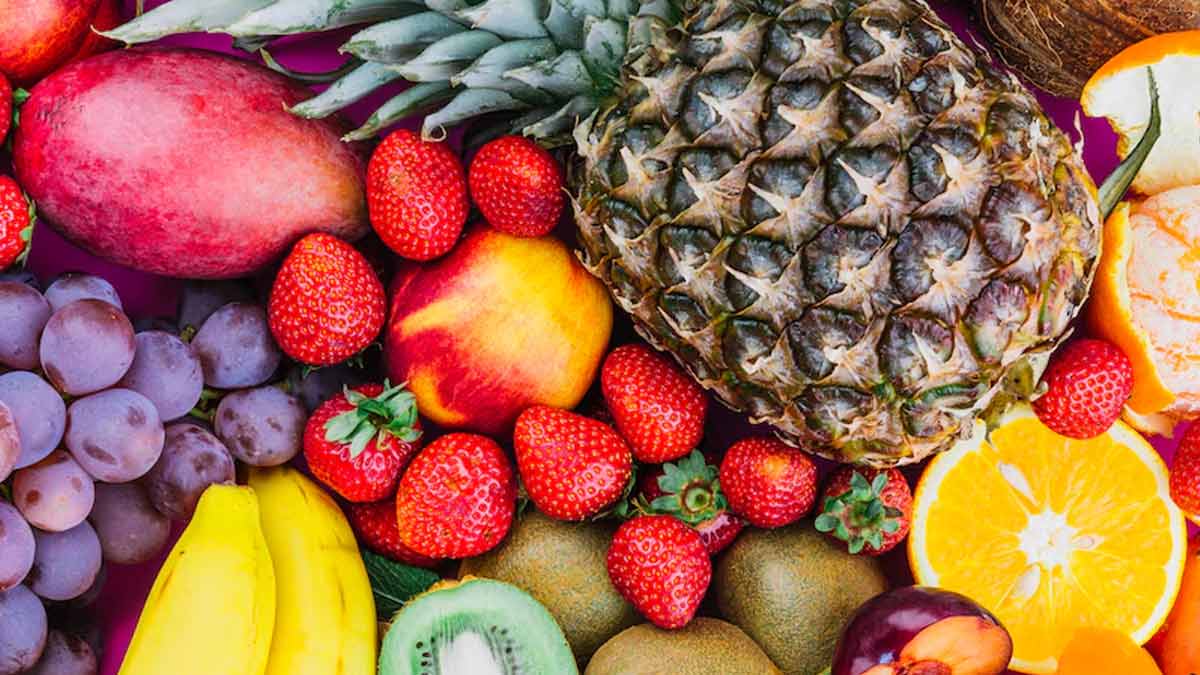
However, bananas are high in potassium. For patients with CKD (Chronic Kidney Disease) alongside stones, high-potassium fruits can be dangerous. In addition to fruits, maintaining a diet rich in vegetables, adequate fluids, and moderate calcium intake can help maintain mineral balance in the body.
On the other hand, grapes are rich in antioxidants and polyphenols that lower the acidity of urine and have a "flushing" effect, making it harder for stones to form. It also contain resveratrol and are helpful for kidney health.
How Fruits May Help Reduce Kidney Stone Risk
Fruits provide several nutrients that can support kidney health and help lower the risk of stone formation. Dr Srivastava notes, “Certain fruits help reduce the risk of kidney stones by increasing fluid intake and providing natural compounds like citrate and potassium. Citrate helps prevent calcium from binding with oxalate, which is a common cause of kidney stones.”
Benefits of Eating the Right Fruits:
- Increase hydration due to high water content
- Help dilute minerals in urine
- Provide citrate that may prevent crystal formation
- Supply potassium and antioxidants that support overall kidney function
- Fruits like watermelon and muskmelon are particularly helpful because they support better urine flow and hydration.
Is Apple Safe for Kidney Stone Patients?
Apples are often recommended as a safe fruit for people with kidney stones. Dr Srivastava explains, “Apple is generally considered safe for kidney stone patients as it is low in oxalates and contains fibre and antioxidants that support overall health.” Apples also contain soluble fibre, which supports digestion and helps maintain a healthy mineral balance in the body.
Another study on PubMed confirms that apples are an excellent and safe choice for kidney stone patients. They are naturally very low in oxalate, meaning they won't contribute to the formation of common calcium-oxalate stones.
Fruits Kidney Stone Patients Should Limit
While many fruits are beneficial, some may contain higher levels of oxalates, which can contribute to certain types of kidney stones.
Fruits to Consume in Moderation:
- Star fruit (kamrakh)
- Figs
- Large amounts of raspberries or other berries
- Packaged fruit juices with added sugar

Scientific evidence supports the role of diet and hydration in kidney stone prevention. According to a study on PubMed, increased intake of fruits and vegetables may help reduce the risk of kidney stones. These foods provide potassium, magnesium, and citrate, which can help lower the concentration of stone-forming substances in urine.
Is Star Fruit (kamrakh) Safe For Kidney Stones Patients?
Dr Srivastava advises that fruits should be consumed in moderation and combined with adequate hydration to reduce the risk of stone formation. However, a study around Star fruit (kamrakh) explains how "Star Fruit Nephrotoxicity" occurs. It highlights that even small amounts can be toxic to patients with reduced kidney function because the body cannot clear the caramboxin and oxalates found in the fruit. It contains a neurotoxin (caramboxin) that can cause:
- Neurological symptoms
- Seizures
- Death in severe cases
Before taking any dietary options, consult your nephrologist before making dietary changes, especially if you have CKD or are on dialysis.
When to See a Doctor
Seek medical advice if you experience:
- Severe pain in the back or side
- Blood in urine
- Persistent nausea or vomiting
- Pain during urination
- Fever or chills
- These symptoms may indicate kidney stones or other urinary problems.
Consult a doctor for a professional diagnosis and treatment.
ALSO READ- Kidney Stones Symptoms in Men: Risks, Why Symptoms May Vary, & When to See A Doctor
Conclusion
Fruits can play a helpful role in supporting kidney health, especially for people who are prone to kidney stones. Fruits rich in water, potassium, and citrate may help dilute minerals in urine and reduce the chances of stone formation.
Understanding which fruits are beneficial and which should be limited can help people make better dietary choices. When combined with proper hydration and a balanced diet, these simple steps may help lower the risk of kidney stones and support long-term kidney health.
FAQ
1. Can I drink fruit juice instead of eating whole fruits?
While fresh citrus juices (like lemonade) are great for citrate, whole fruits are always better. Packaged juices often contain high amounts of added sugar or fructose, which can actually increase your risk of uric acid stones. Additionally, whole fruits provide fiber, which helps regulate how your body absorbs minerals.2. Does the "citrus rule" apply to grapefruit?
Be careful with grapefruit. While it is a citrus fruit, it contains certain compounds that can interfere with common medications (like those for blood pressure or cholesterol). If you are taking any medication for your kidneys or heart, check with your doctor before adding grapefruit to your diet.3. Is it true that vitamin C supplements cause stones?
While vitamin C from fruits is safe and healthy, taking high-dose supplements (over 1,000 mg) can be risky. The body can turn excess vitamin C into oxalate, which might end up forming stones. It is always safer to get your vitamins naturally from fruits like papaya and oranges.4. Should I avoid berries because of oxalates?
You don’t have to cut them out entirely! While raspberries and strawberries have some oxalates, they are also packed with antioxidants that protect kidney cells. The trick is moderation and pairing. If you eat berries with a side of yogurt (calcium), the oxalate binds to the calcium in your stomach instead of your kidneys.5. Can I eat dried fruits like raisins or dates?
Dried fruits are very concentrated. This means they are much higher in sugar and oxalates compared to fresh fruit. If you are prone to stones, stick to fresh, water-rich fruits like watermelon or pears to keep your system flushed.
All possible measures have been taken to ensure accuracy, reliability, timeliness and authenticity of the information; however Onlymyhealth.com does not take any liability for the same. Using any information provided by the website is solely at the viewers’ discretion. In case of any medical exigencies/ persistent health issues, we advise you to seek a qualified medical practitioner before putting to use any advice/tips given by our team or any third party in form of answers/comments on the above mentioned website.

How we keep this article up to date:
We work with experts and keep a close eye on the latest in health and wellness. Whenever there is a new research or helpful information, we update our articles with accurate and useful advice.
-
Current Version
Mar 17, 2026 12:39 IST
Modified By : Vivek Kumar Mar 17, 2026 12:39 IST
Modified By : Vivek KumarMar 17, 2026 12:39 IST
Modified By : Vivek KumarMar 17, 2026 12:39 IST
Modified By : Vivek KumarMar 17, 2026 12:39 IST
Published By : Vivek Kumar
Reviewed By : Dr Arpit Srivastava