
Kidney stones have become extremely common. According to the National Kidney Foundation, an estimated one in 10 people is affected by kidney stones at some point in their lives. While most stones are painful but manageable, some can become serious, and even life-threatening, if complications develop.
The risk does not come from the stone itself, but from what that stone can lead to, especially when it blocks urine flow or traps infection in the kidney. A 2024 review of StatPearls highlights that obstructed and infected stones are among the most hazardous urological emergencies, increasing the risk of rapidly developing sepsis if they are not promptly treated.
Can Kidney Stones Be Fatal?
According to our expert, Dr Vishal, the short answer is yes, but it is rare, and almost always due to complications. Kidney stones alone do not cause death. However, the danger arises when a stone causes the following complications:
- Urinary obstruction
- Infection behind the obstruction
- Sepsis
- Acute Kidney Injury (AKI)
- Permanent kidney damage if untreated
“Obstructive pyelonephritis (infected kidney blockage causing severe inflammation) or pyonephrosis (life-threatening kidney infection where the kidney fills with pus that causes cysts and total blockage) is the most life-threatening scenario since it is an infected and blocked kidney,” highlights Dr Vishal.
As suggested by the Journal of Nepal Medical Association (JNMA), this requires immediate emergency drainage (a quick surgery that puts in a small tube, which helps drain out trapped, infected pee), as antibiotics cannot work effectively until the blockage is relieved.
 2-kidney
Why Kidney Stones Become Fatal: Medical Explanation
According to medical experts, to understand when kidney stones are fatal, it is crucial to understand the physiological aspects. These changes may include:
1. A Stone Blocks the Ureter
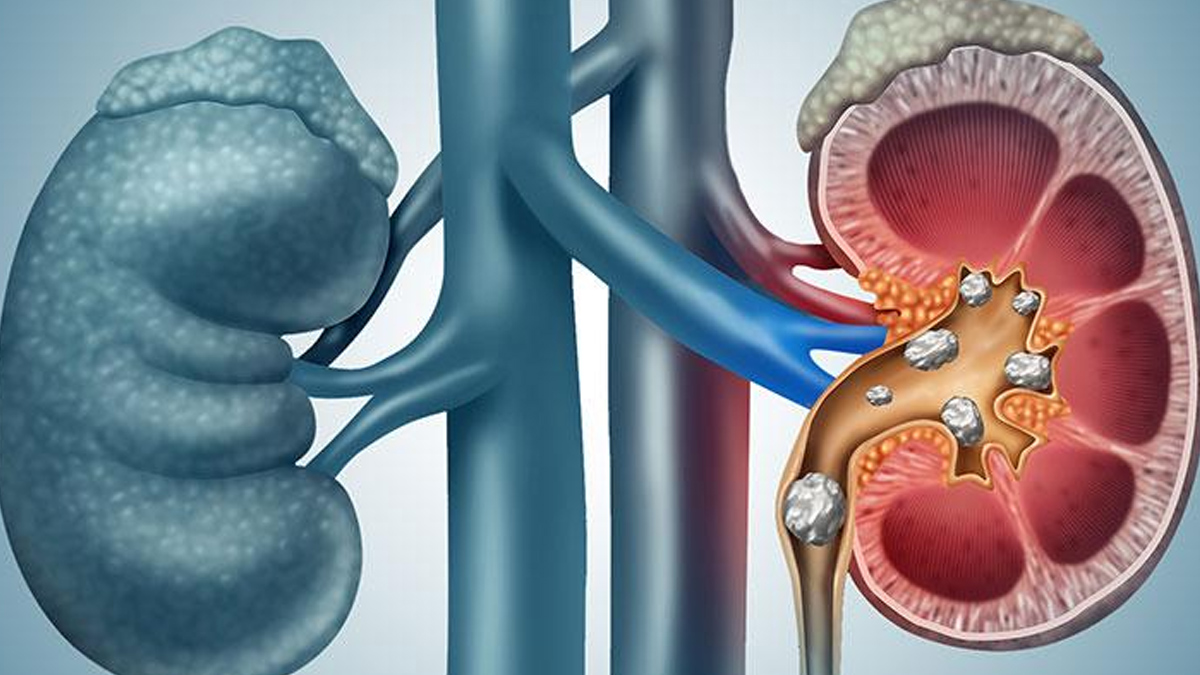
The ureter is a thin passage that transfers urine between the kidney and bladder. If a stone gets stuck, here’s what happens:
- Urine cannot pass
- Pressure builds inside the kidney, causing hydronephrosis
- Tissue in the kidneys swells and inflames
- Circulation of blood to the kidney is reduced
- Bacteria trapped behind the stone multiply rapidly
2. Infection Behind a Blocked Stone
Infections require drainage for the stone to pass, or it can progress within hours. When urine is blocked:
- Antibiotics cannot reach the infection properly
- Pus accumulates in the kidney, causing pyonephrosis
- Infection is transferred to the bloodstream, leading to sepsis
- This may develop within hours
3. Kidney Function Declines
A kidney stone becomes serious not because it exists, but because it interferes with the kidneys’ ability to drain urine and clear infection. An untreated blockage in the kidneys may result in:
- Acute Kidney Injury (AKI) within days
- Long-term Chronic Kidney Disease (CKD) if repeated
- Kidney dysfunction in the affected kidney
 1-kidney
How Common Are Serious Complications?
Modern medicine has reduced fatalities significantly caused by kidney stones. However, according to Dr Vishal, 10-15% of patients with obstructed infected stones develop severe infection if it is left untreated.
In fact, as per a report by Renal Failure, blocked kidney sepsis has a mortality rate of up to 9.1% when the drainage is delayed.
Large stones (>10 mm) are a great risk of obstruction. While rare, these risks make it essential to recognise warning signs early.
When Kidney Stones Become Serious
Not every stone is dangerous. However, according to Mayo Clinic, some symptoms and conditions that should be addressed immediately. These include:
1. Fever Along With Kidney Stone Pain
According to Dr Vishal, fever along with kidney stone pain is one of the biggest red flags. He says, “Fever along with flank (side) pain, and burning sensation during urination, suggests a possible infected obstructed stone, which is an emergency and should be assessed immediately.”
Symptoms of an emergency include:
- Fever > 100.4°F (38°C)
- Chills or shivering
- Rapid pulse
- Weakness
- Vomiting
- Hazy or foul-smelling urine
2. Severe and Unbearable Pain
Kidney stone pain, medically referred to as renal colic, can be extremely intense. In severe cases, it may indicate a moving or stuck stone, increasing the risk of complete blockage. Some of these symptoms include:
- Pain comes in waves
- Pain not relieved by oral pain medication
- Pain radiates to the groin or lower abdomen
3. Little to No Urine Output
A slow urine stream is another sign of a kidney stone, as it may quickly impair the kidney. Seek immediate medical assistance in case of:
- Almost no urine
- Dark, concentrated urine
- Pain, or pressure in the flank
4. Persistent Vomiting
Persistent vomiting leads to an inability to keep fluids down, which causes dehydration and worsens stone symptoms that eventually increase kidney strain.
5. Stones in High-Risk Individuals
Some groups of people develop complications quickly. Stones are more dangerous if you have:
- Diabetes
- A single functioning kidney
- Weakened immunity
- Kidney transplant history
- Chronic kidney disease
- Recent urinary tract procedure
6. Large Stones (≥7 mm)
Larger stones are more likely to obstruct the ureter. Stone size predicts the likelihood of passage. Here’s what European Radiology cites:
- Stones smaller than 5 mm: 80% chances to pass
- Stones 5-7 mm: 50% chances to pass
- 7-10 mm: less than or equal to 25% chances to pass
- 10 mm: rarely passes without medical intervention
7. Blood in Urine With Clots
Mayo Clinic cites that blood-tinged urine is common in kidney stones, but heavy bleeding or clots can signal hematuria, due to:
- Stone injury
- Chronic ureter irritation
- Sharp, jagged stones
 3-kidney
How to Minimise Risks of Complications of Kidney Stones
Here are a few ways Dr Vishal recommends to reduce the risk of complications of kidney stones:
- Drink two to three litres of water daily
- Do not ignore a fever with flank pain
- Seek care early if symptoms worsen
- Restrict high sodium or salt intake
- Consume adequate calcium
- Avoid excessive oxalate-rich foods (if you form oxalate stones)
- Measure blood pressure and diabetes regularly
Kidney Stone Complication Timeline
As per the Cleveland Clinic, kidney stone complications, such as severe obstruction or risk of fatality, can develop in as little as two weeks, though small stones may take over a month to pass. While stones take months or years to form, they can cause acute symptoms such as pain, infection, and, if left untreated, cause permanent kidney damage.
"You should seek medical care immediately if you have a fever, chills, or inability to pass urine. However, generally, a known stone can be monitored for up to 4-6 weeks if pain is manageable and there are no signs of infection or total blockage," Dr Vishal points out.
Bottomline
Kidney stones are normally curable and not fatal. However, a stone may get dangerous if it obstructs the flow of urine and causes an infection. This situation can progress quickly and may cause sepsis, kidney damage, or, rarely, even death if untreated.
The complications can be avoided in almost all instances through early treatment. Seek immediate treatment in case of:
- Fever with flank pain
- Very low urine output
- Severe or unrelenting pain
- Vomiting
- Weakness or confusion
FAQ
1. Can kidney stones lead to sudden death?
Rarely. This may occur when a stone obstructs the flow of urine and causes unattended sepsis.2. What size stone is dangerous?
Stones that are more than 7 mm are more prone to obstruction. Stones that are 10 mm or above hardly ever pass naturally.3. Can kidney stones damage the kidney permanently?
Yes, if the blockage lasts for weeks without treatment. Most cases recover with timely care.4. How long does it take for a stone to pass naturally?
The majority of small stones take two to six weeks to pass naturally.5. When should someone opt for medical help for kidney stones?
Seek immediate medical help if you have a fever, severe pain, vomiting, reduced urination, or signs of infection.
All possible measures have been taken to ensure accuracy, reliability, timeliness and authenticity of the information; however Onlymyhealth.com does not take any liability for the same. Using any information provided by the website is solely at the viewers’ discretion. In case of any medical exigencies/ persistent health issues, we advise you to seek a qualified medical practitioner before putting to use any advice/tips given by our team or any third party in form of answers/comments on the above mentioned website.
How we keep this article up to date:
We work with experts and keep a close eye on the latest in health and wellness. Whenever there is a new research or helpful information, we update our articles with accurate and useful advice.
-
Current Version
Mar 26, 2026 21:22 IST
Modified By : Tanya Srivastava Mar 26, 2026 21:22 IST
Modified By : Tanya SrivastavaMar 26, 2026 21:22 IST
Published By : Tanya Srivastava
Reviewed By : Dr Vishal