
Kidney stones tend to spike during hotter months, and there’s a clear reason behind it. Kidney stones are more common in summer, mainly because the body loses more fluids through sweating. When you don’t replace that lost water, your urine becomes concentrated, making it easier for minerals to stick together and form stones.
In simple terms, less water in your body means less diluted urine. This creates the perfect environment for crystals to develop inside the kidneys. Add to that poor hydration habits, and the risk increases significantly during summer.
Why Kidney Stones Are More Common in Summer
The link between rising temperatures and kidney health is primarily driven by dehydration. Dr Aditya Nayak, Consultant Nephrologist, Zen Annexe, Zen Multispeciality Hospital, Chembur, Mumbai, explains, "Kidney stones can be commonly seen in summer due to excessive sweating that can lead to dehydration. This can make the urine more concentrated and allows minerals to crystallise in the kidneys. When people drink less water, these crystals can stick together and form stones in the urinary tract, which can give a tough time to many."

A report from Contemporary Clinical Trials found that kidney stone cases often increase during hot months because dehydration becomes more common. When the body loses too much water, and people do not drink enough fluids, urine becomes more concentrated. This makes it easier for minerals such as calcium, oxalate, and uric acid to stick together and form stones.
What’s happening in your body?
- You sweat more, and you lose fluids
- Urine volume decreases
- Minerals become concentrated
- Crystals form and stick together
Over time, these crystals can grow into stones and cause discomfort or pain.
ALSO READ- Signs You May Have a Kidney Stone: Early Symptoms You Should Never Ignore
How Dehydration Increases the Risk
Dehydration doesn’t just reduce water levels, as it changes how your kidneys function. Dr Nayak says, “Dehydration in hot weather reduces urine volume, making it more concentrated with minerals that can crystallise.”
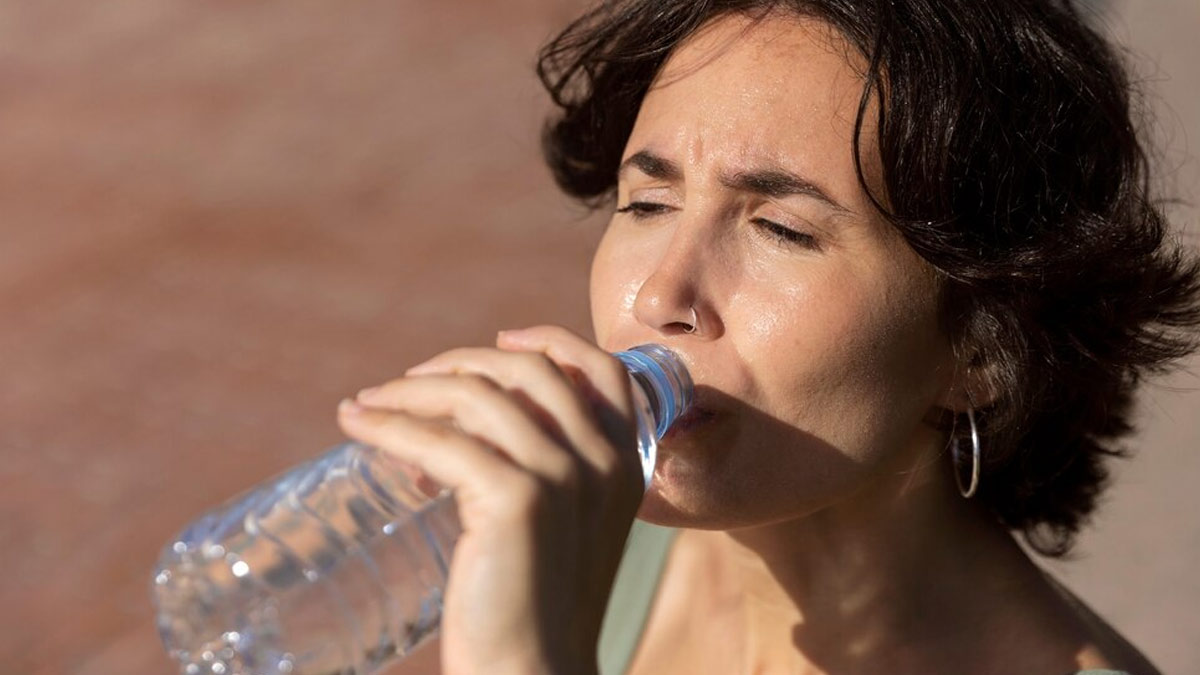
A 2023 research review published in the journal Nutrients explained that when the body loses water or does not get enough fluids, the kidneys produce less urine. This causes minerals such as uric acid, calcium, and oxalate to become more concentrated, making it easier for crystals to form and turn into stones. The study also highlighted that keeping urine diluted by drinking enough fluids is one of the most important ways to prevent kidney stones.
Does Excessive Sweating Play a Role?
Yes, and it’s a major one. According to Dr Nayak, when you sweat heavily, especially in hot and humid climates, you lose both water and essential electrolytes. If this loss isn’t replaced, your body becomes dehydrated.
Dr Nayak explains, “Excessive sweating leads to dehydration, which concentrates minerals in the urine and causes kidney stone formation.” Even people who drink water occasionally may still fall short if they are sweating continuously throughout the day.

A 2025 study published in the journal Frontiers in Public Health looked at how intense physical activity may affect the risk of kidney stones. The researchers analysed health data from more than 12,000 adults and found that people who did very long periods of vigorous physical activity had a higher chance of developing kidney stones.
The study explained that heavy sweating during intense exercise can cause fluid loss and dehydration, which makes urine more concentrated. When urine becomes concentrated, substances like calcium and uric acid can build up and form crystals that may turn into stones.
Who Is More Vulnerable During Summer?
Some people face a higher risk than others. Dr Nayak points out that the following groups are more vulnerable:
- People who work outdoors (construction workers, delivery staff)
- Those who sweat excessively
- Individuals who don’t drink enough water
- People with a history of kidney stones
- Those consuming high-salt diets
A 2024 research study published in the journal Urolithiasis looked at how heatwaves affect kidney stone cases and which groups are more at risk. The study found that men and middle-aged adults were more likely to develop kidney stones during periods of very hot weather.
Researchers explained that these groups are often more exposed to heat due to outdoor work or daily activities, which increases sweating and fluid loss. When the body loses too much water, urine becomes concentrated, making it easier for stones to form.
Symptoms to Watch Out for in Hot Weather
Kidney stones don’t always show symptoms early, but when they do, they can be quite noticeable. Dr Nayak highlights these common warning signs:
- Sudden lower back pain (below the ribcage)
- Frequent urination
- Blood in urine
- Nausea or vomiting
- Constant urge to urinate, even when the bladder feels empty
Don’t ignore these symptoms, especially during summer when the risk is higher.
Why Hydration Is Your Best Defence
A randomised clinical trial published in The Lancet studied how increasing fluid intake affects kidney stone risk. The researchers followed more than 1,600 people with a history of kidney stones for about two years.
They found that people who increased their fluid intake produced more urine, which helped dilute minerals that can form stones. The study supported current medical advice that drinking enough fluids to produce at least 2.5 litres of urine per day helps reduce the chances of stone formation.
Staying hydrated is the simplest and most effective way to reduce your risk. Dr Nayak advises, “Drink at least 2–3 litres of water daily. Those with a prior history of kidney stones should consume 3.5 to 4 litres of liquids in a day.”
Dietary Habits for a Stone-Free Summer
Beyond just drinking water, what you eat plays a massive role in how your kidneys handle the heat. Dr Nayak suggests several lifestyle tweaks:
- Limit Salty Foods: Salt forces calcium into your urine.
- Citrus Power: Lemons and oranges contain citrate, which prevents crystals from sticking.
- Natural Electrolytes: Coconut water is rich in potassium and magnesium, which help reduce crystal formation.
- Stay Active: Regular physical activity helps maintain proper urinary flow, but only if you hydrate alongside it.
When Should You See a Doctor?
Some symptoms should never be ignored. Dr Nayak strongly advises medical evaluation if you experience:
- Severe lower back pain
- Blood in urine
- Persistent vomiting
- Fever
- Constant urge to urinate
Early diagnosis can prevent complications and make treatment easier.
Treatment Options for Kidney Stones
Treatment depends on the size and severity of the stone. As per Dr Nayak, the common options include:
- Hydration and pain relief for small stones
- Medications to help pass or manage stones
- Lithotripsy to break larger stones
- Ureteroscopy or surgery for complex cases
Dr Nayak explains that the treatment plan is decided by a urologist based on individual needs. However, it is always advised to consult a doctor for a professional diagnosis and treatment.
ALSO READ- Surgical Options for Kidney Stones: A Complete Guide
Conclusion
Understanding why kidney stones are more common in summer can help you take simple but effective preventive steps. The connection between heat, dehydration, and concentrated urine explains why your risk increases during this season.
What this really means is, you have more control than you think. Staying hydrated, making small dietary changes, and recognising early symptoms can go a long way in protecting your kidney health. When you listen to your body and act early, you reduce the chances of pain, complications, and recurring stones.
FAQ
1. Why do kidney stones increase during summer?
Kidney stones increase in summer because the body loses more fluids through sweating. If you don’t drink enough water, urine becomes concentrated, making stone formation more likely.2. How much water should I drink in summer to prevent kidney stones?
Most adults should drink at least 2–3 litres of water daily. People with a history of kidney stones may need 3.5–4 litres, as advised by their doctor.3. Can sweating alone cause kidney stones?
Sweating itself does not cause stones, but not replacing lost fluids can lead to dehydration. This increases the risk of mineral buildup and stone formation.4. Who is at higher risk of kidney stones during hot weather?
Outdoor workers, people who sweat heavily, those with a past history of kidney stones, and individuals who drink less water are at higher risk.5. What are the early warning signs of kidney stones in summer?
Common signs include sudden back pain, frequent urination, blood in urine, nausea, and a constant urge to urinate. Seek medical help if symptoms appear.
All possible measures have been taken to ensure accuracy, reliability, timeliness and authenticity of the information; however Onlymyhealth.com does not take any liability for the same. Using any information provided by the website is solely at the viewers’ discretion. In case of any medical exigencies/ persistent health issues, we advise you to seek a qualified medical practitioner before putting to use any advice/tips given by our team or any third party in form of answers/comments on the above mentioned website.
How we keep this article up to date:
We work with experts and keep a close eye on the latest in health and wellness. Whenever there is a new research or helpful information, we update our articles with accurate and useful advice.
-
Current Version
Apr 17, 2026 14:50 IST
Modified By : Vivek Kumar Apr 17, 2026 14:50 IST
Modified By : Vivek KumarApr 17, 2026 14:50 IST
Modified By : Vivek KumarApr 17, 2026 14:50 IST
Modified By : Vivek KumarApr 17, 2026 14:50 IST
Published By : Vivek Kumar
Reviewed By : Dr Arpit Srivastava