
If you suddenly feel a sharp, stabbing pain in your side that radiates toward your groin, you might be dealing with a kidney stone. This intense discomfort, often called renal colic, is one of the most common signs that a hard mineral deposit is moving through your urinary tract. While some stones are small enough to pass on their own, others can block urine flow, leading to severe pain, nausea, and potential kidney damage if left untreated.
To help you navigate this, we spoke with Dr Arun Kumar N, Senior Consultant Nephrologist & Renal Transplant Physician, SPARSH Hospital, Bangalore, to break down the warning signs and when you must see a doctor.
Common Symptoms of Kidney Stones
According to Dr Arun Kumar N, kidney stones often present with a very specific type of pain. "Patients usually experience sudden, severe pain in the side of the back (flank), just below the ribs, which may radiate toward the lower abdomen or groin as the stone moves through the urinary tract," he explains.
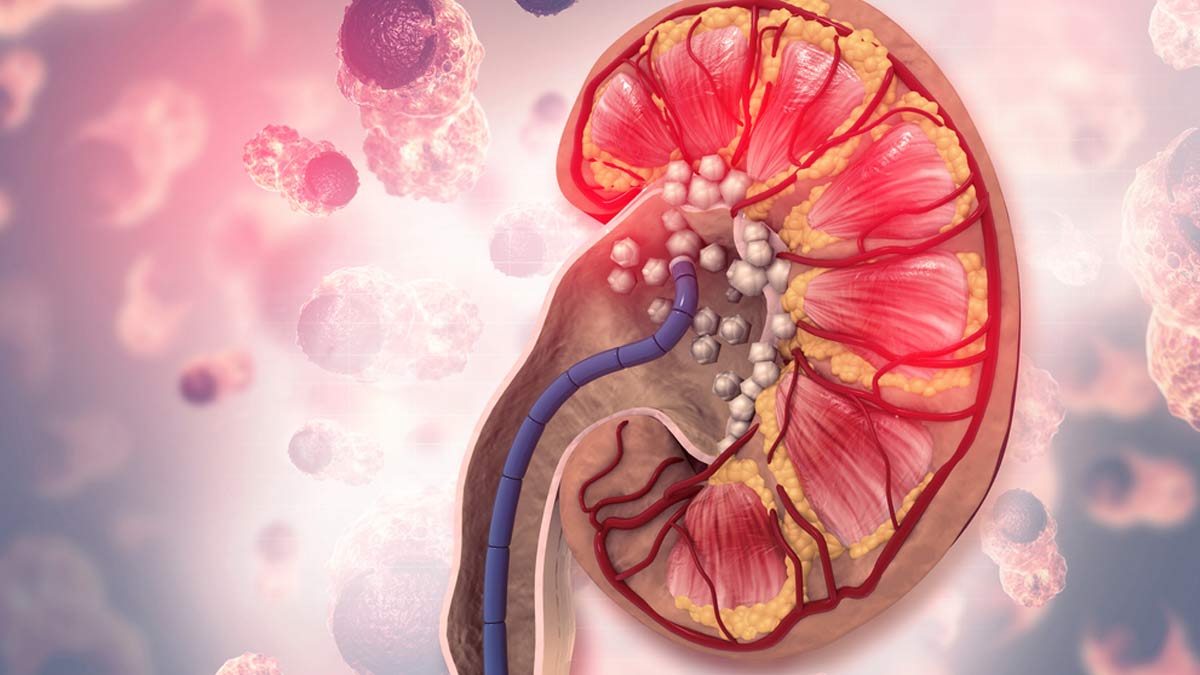
Beyond the pain, you should watch for these physical signals:
- Intense Waves of Pain: The discomfort typically occurs in waves and can be extremely intense.
- Digestive Issues: Nausea and vomiting are frequent companions to the pain.
- Urinary Changes: You may feel a burning sensation during urination or a frequent, urgent need to go.
- Visible Blood: Urine may appear pink, red, or brown due to the stone irritating the urinary tract lining.
- Infection Signs: If you experience fever and chills, it may indicate that the stone has caused an infection.
According to a global study published in the journal Frontiers in Urology (2025), about 10–11% of people globally suffer from kidney stones. It means roughly 1 in every 10 adults may develop this condition at some point in their life. The study analysed data from more than 1.2 million people across multiple countries, showing that kidney stones are becoming more common due to factors like poor hydration, diet changes, and rising temperatures.
ALSO READ- Is Your Diet Causing Kidney Stones? Foods To Watch Out For
Kidney Stone Pain vs. Regular Back Pain
It can be difficult to tell if your back is just sore or if a stone is the culprit. Dr Arun Kumar N notes that kidney stone pain has distinct features. "Unlike muscular back pain, which usually worsens with movement and improves with rest, kidney stone pain is sudden, severe, and often comes in waves," he says.
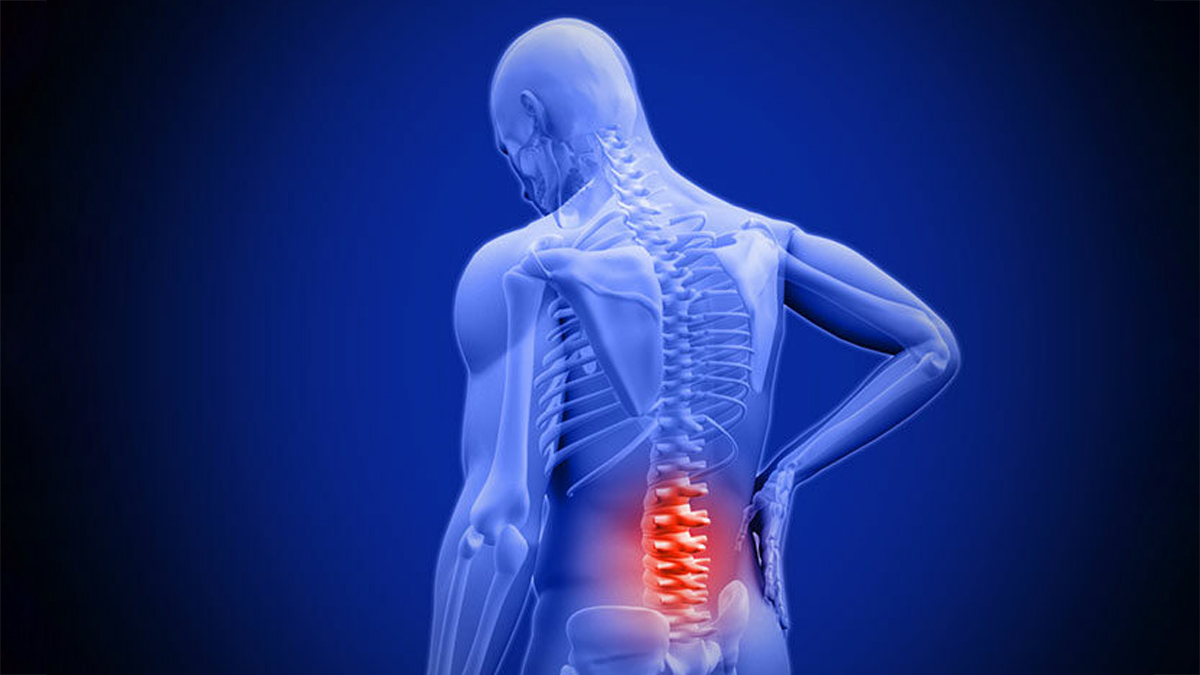
While someone with a back injury might find a "sweet spot" to lie down and rest, patients with stones often feel restless and unable to find any comfortable position. If your "back pain" is also accompanied by blood in your urine or nausea, it is highly likely a metabolic or renal issue rather than a muscle strain.
Kidney stone pain is often very different from regular back pain, even though both may feel like discomfort in the back area. A clinical review published in StatPearls/NCBI Bookshelf (2024) on renal calculi explains that kidney stone pain, also called renal colic, usually starts suddenly and feels sharp and severe. It often spreads from the side of the back to the abdomen or groin. In contrast, regular back pain is more likely to feel like a dull ache that worsens with movement, bending, or lifting, and may improve with rest or changing position.
Can You Have ‘Silent’ Kidney Stones?
Surprisingly, you might have a stone and not even know it. Dr Arun Kumar N explains that these are asymptomatic or silent stones. They often remain within the kidney without blocking urine flow and are discovered incidentally during scans for other health reasons. Symptoms usually only trigger once the stone moves into the ureter, the tube connecting the kidney to the bladder, where it begins to obstruct urine flow.
A research study published in the journal Urolithiasis (2025) found that many kidney stones are discovered by accident during routine scans, such as ultrasound or CT scans done for other health reasons. The study explains that these silent stones may remain unnoticed for months or even years because they do not block urine flow or irritate the kidney.
Can You Check for Kidney Stones at Home?
No, most people cannot check for kidney stones by themselves at home, because proper diagnosis usually needs medical tests. According to a clinical guide from the National Institute of Diabetes and Digestive and Kidney Diseases (NIDDK, NIH), doctors diagnose kidney stones using urine tests, blood tests, and imaging scans such as ultrasound or CT scans, which help confirm whether a stone is present and where it is located.
However, some stones may remain asymptomatic (without symptoms) and are only detected through imaging, which means self-checking without medical tests can easily miss them.
Practical Advice: Managing and Preventing Stones

To manage stones and prevent new ones from forming, research suggests a few key lifestyle changes:
- Hydration is Key: Drink plenty of water to dilute the substances in urine that lead to stones.
- Monitor Salt Intake: High sodium can increase calcium in your urine, raising stone risk.
Higher hydration levels dilute the concentration of minerals like calcium and oxalate, preventing them from crystallising into hard deposits. As per the study, maintaining this "gold standard" of hydration is a simple, evidence-based strategy for long-term renal health.
When to See a Doctor
You should seek medical attention if severe flank pain persists or worsens. Dr Arun Kumar N advises immediate consultation if you experience:
- Fever or chills (signs of infection).
- Persistent vomiting.
- Difficulty passing urine.
- Visible blood in the urine.
ALSO READ- How Are Kidney Stones Treated? A Complete Guide to Treatment Options
Conclusion
Ultimately, understanding your symptoms is the first step toward effective kidney health management. Whether you are experiencing the characteristic "waves" of renal colic or noticing subtle changes in your urine, early recognition can prevent the condition from escalating into a medical emergency. By combining expert medical insights with practical lifestyle adjustments, you can navigate the discomfort of kidney stones with clarity and confidence.
All possible measures have been taken to ensure accuracy, reliability, timeliness and authenticity of the information; however Onlymyhealth.com does not take any liability for the same. Using any information provided by the website is solely at the viewers’ discretion. In case of any medical exigencies/ persistent health issues, we advise you to seek a qualified medical practitioner before putting to use any advice/tips given by our team or any third party in form of answers/comments on the above mentioned website.
How we keep this article up to date:
We work with experts and keep a close eye on the latest in health and wellness. Whenever there is a new research or helpful information, we update our articles with accurate and useful advice.
-
Current Version
Apr 14, 2026 18:42 IST
Modified By : Vivek Kumar Apr 14, 2026 18:42 IST
Modified By : Vivek KumarApr 14, 2026 18:42 IST
Published By : Vivek Kumar
Reviewed By : Dr Arpit Srivastava