
Heart attacks are one of the leading causes of death among men worldwide. The tricky part is that the symptoms are not always dramatic or sudden. In many cases, they start slowly and feel like common issues such as acidity, fatigue, or muscle pain. This is why awareness becomes so important. Knowing what your body is trying to tell you can make all the difference.
To understand this better, we reached out to an expert, who explained the early warning signs men should never ignore.
What Are the Early Warning Signs of a Heart Attack in Men?
Heart attacks often give early signals. As per Dr Deebanshu Gupta, Cardiologist, Sarvodya Hospital, Jalandhar, the issue is that most people ignore them.
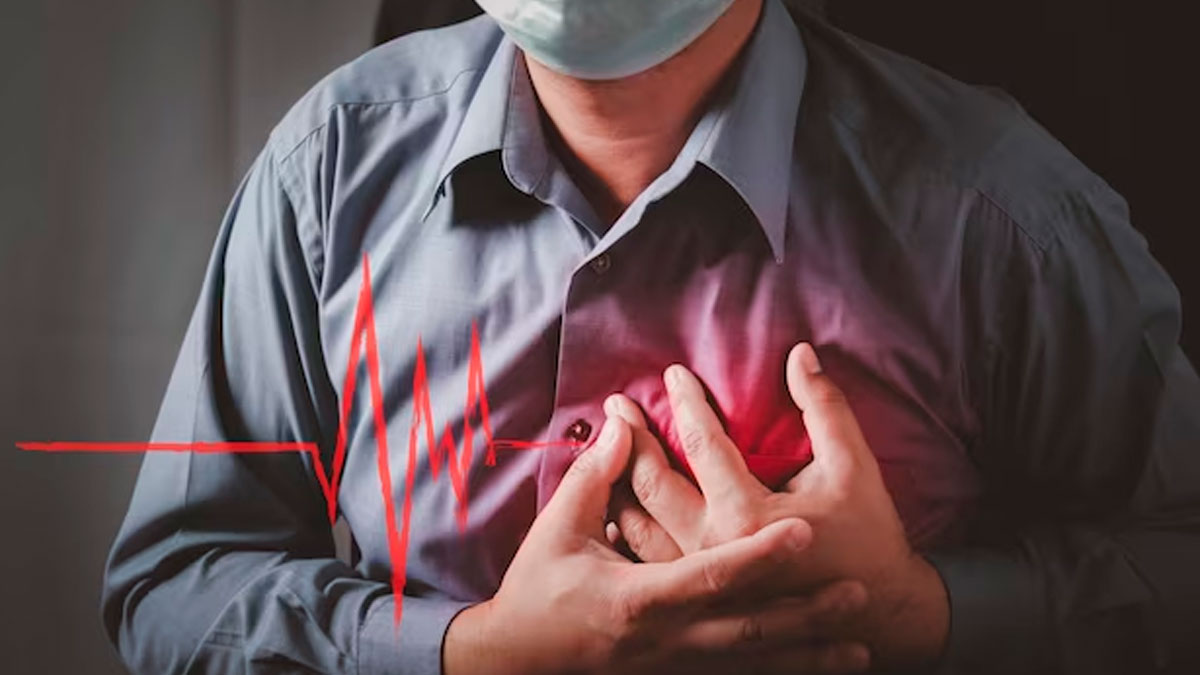
Heart attacks often give early signals. As per Dr Deebanshu Gupta, Cardiologist, Sarvodya Hospital, Jalandhar, the issue is that most people ignore them.
Some of the early warning signs may include:
- Recurring mild chest discomfort
- Shortness of breath during simple activities
- Feeling unusually tired without a reason
- Slight pain in the arms, neck, or jaw
According to Dr Gupta, “The body usually gives warnings before a major heart event. Men often ignore these because they feel manageable. But these are the signs where early intervention can actually prevent a heart attack.”
ALSO READ- Stent Surgery (Angioplasty) for Heart: What to Expect Before and After
Classic Physical Symptoms in Men
As per Dr Gupta, below are a few classic physical symptoms of a heart attack in men.
- Crushing Chest Pain: This is the most common symptom. It often feels like a heavy weight, squeezing, or tight pressure in the centre of the chest. It may last for several minutes or go away and come back.
- Pain in the Upper Body: Discomfort often radiates away from the chest. In men, this most commonly travels down the left arm, but it can also reach the right arm, shoulders, upper back, neck, or jaw.
- Shortness of Breath: You might feel like you can’t get enough air, even while resting. This can happen before or during chest discomfort.
- Stomach Distress: Some men mistake a heart attack for severe indigestion, heartburn, or nausea.
A study published in the Journal of the American Heart Association (JAHA) followed thousands of individuals over a 30-year period to see how heart disease starts. The researchers discovered that men often begin developing silent heart issues like the buildup of calcium in their arteries and rising blood pressure as early as their mid-30s.
While many believe heart disease is a concern for older age, this study proves that for men, the damage often starts a full decade earlier than it does for women. The findings suggest that by the time many men reach age 45, their blood vessels may already show significant wear and tear, making early check-ups and lifestyle changes in your 20s and 30s much more critical than previously thought.
Men vs. Women: What Is The Difference
Symptom |
Men (More Common) |
Women (More Common) |
Primary Sign |
Intense, crushing chest pressure |
Shortness of breath / "Aching" chest |
Radiation |
Specifically the Left Arm |
Jaw, Neck, and Upper Back |
Physical Reaction |
Sudden cold sweats |
Nausea, vomiting, and lightheadedness |
Onset |
Acute and sudden |
Gradual; often preceded by days of fatigue |
What Does Chest Pain During a Heart Attack Feel Like in Men?
Chest pain is the most common symptom, but it does not always feel the same.
It may feel like:
- Pressure or heaviness in the chest
- Tightness or a squeezing sensation
- Burning or discomfort (often confused with acidity)
- The pain usually lasts for a few minutes or keeps coming back.

Dr Gupta explains, “Many patients expect sharp pain, but heart attack pain is often dull and heavy. It can feel like something is pressing on the chest. This is why people confuse it with gas or muscle pain.”
A report of the American College of Cardiology explained that heart attack pain typically feels like a heavy pressure or squeezing in the centre of the chest. This discomfort often lasts 10 minutes or more and can happen even while resting. The pain commonly spreads to the arms, neck, or jaw. Men may also experience shortness of breath, cold sweats, or nausea.
Can Heart Attack Symptoms Appear Days Before the Actual Event?
Yes, and this is more common than people think, confirms Dr Gupta. Some symptoms can show up days or even weeks before:
- Repeated mild chest discomfort
- Breathlessness while walking or climbing stairs
- Sudden drop in stamina
- Poor sleep due to discomfort
Dr Gupta says, “A heart attack is not always sudden. The body may give signals over time. Ignoring these repeated symptoms is one of the biggest mistakes men make.”
A study by the Annals of Emergency Medicine examined over 2,000 young adults (aged 18 to 55) who were hospitalised for a heart attack. The researchers found that while chest pain was the most common symptom for both men and women, women were significantly more likely to present with three or more associated symptoms, such as epigastric (upper stomach) discomfort, palpitations, and pain in the jaw or neck.
Can Men Have a Heart Attack Without Chest Pain?
Yes, this is called a silent heart attack. In such cases, symptoms may be very mild or unusual:
- Slight discomfort instead of pain
- Unexplained fatigue
- Mild breathlessness
- Lightheadedness
These are often ignored or mistaken for everyday tiredness.
Dr Gupta adds, “Silent heart attacks are more common than we think. Men may continue their routine without realising something serious has happened. This is why regular health check-ups are important.”
An EMMACE study examined how the medical care provided to patients during and after a heart attack differs based on their sex. The researchers found that women were significantly less likely than men to receive standard, life-saving treatments, such as thrombolytic therapy (clot-busting drugs) or beta-blockers, upon arriving at the hospital. This gap in care was not due to age or other health conditions, but rather a pattern where women’s symptoms were often taken less seriously or diagnosed later.
When Should a Man Seek Medical Help for Heart Attack Symptoms?
Timing is critical. Dr Gupta suggests that you should seek immediate medical help if:
- Chest discomfort lasts more than 5 minutes
- Pain spreads to other parts of the body
- There is sudden breathlessness
- You experience cold sweats or dizziness
Dr Gupta strongly advises, “Do not wait for the pain to become severe. Even mild but persistent symptoms need evaluation. The earlier the treatment, the better the outcome.”
ALSO READ- Know The Silent Symptoms Of Heart Attack In Women
What Should You Do Immediately During a Heart Attack?
Knowing what to do can save a life.
Here are the immediate steps:
- Stop all activity and sit or lie down
- Call emergency medical services
- Stay calm and avoid panic
- Do not try to drive yourself to the hospital.
- Dr Gupta says:
“The first hour after symptoms begin is crucial. Quick action can reduce heart damage and increase survival chances.”
When to See a Doctor
According to Dr Gupta, the biggest mistake men make is waiting for "unbearable" pain. Your heart doesn't always scream; sometimes it whispers. You should seek immediate medical attention at your nearest emergency room if you notice:
- Persistent Pressure: Any chest discomfort, squeezing, or "heaviness" that lasts longer than five minutes.
- Activity Triggers: Feeling sudden breathlessness or chest tightness, specifically when walking or climbing stairs.
- The ‘Cold Sweat’: Breaking into a clammy sweat while sitting still, often paired with lightheadedness.
- Unresolved Acidity: Heartburn that doesn't improve with antacids and is accompanied by a choking sensation.
"At such situations, time is muscle," says Dr Gupta. If something feels unusual in your upper body, don't play the guessing game. Early intervention during the critical moments can prevent permanent damage and save your life.
Conclusion
Heart attack symptoms in men are often clear, but they are still ignored. That is where the real risk lies. Your body usually gives signals before something serious happens. The key is to recognise them and act without delay.
Do not brush off unusual discomfort as stress or acidity. If something feels different, get it checked. Acting early can protect your heart and your future.
FAQ
What is the first symptom of a heart attack in men?
The first symptom is usually chest discomfort or pressure. Some men may also notice shortness of breath, unusual fatigue, or pain spreading to the arm or jaw.How long do heart attack symptoms last in men?
Heart attack symptoms often last more than 5 minutes. They may come and go, but persistent discomfort should never be ignored.Can young men have heart attacks?
Yes, heart attacks can occur in younger men, especially if they have risk factors like smoking, high stress, obesity, diabetes, or a family history of heart disease.Is left arm pain always a sign of a heart attack?
Not always. Left arm pain can occur due to muscle strain or nerve issues. However, if it happens along with chest discomfort, sweating, or breathlessness, seek medical help immediately.Can stress trigger heart attack symptoms in men?
Yes, high stress can increase blood pressure and heart strain, which may trigger heart attack symptoms in people with existing heart risk factors.
All possible measures have been taken to ensure accuracy, reliability, timeliness and authenticity of the information; however Onlymyhealth.com does not take any liability for the same. Using any information provided by the website is solely at the viewers’ discretion. In case of any medical exigencies/ persistent health issues, we advise you to seek a qualified medical practitioner before putting to use any advice/tips given by our team or any third party in form of answers/comments on the above mentioned website.
How we keep this article up to date:
We work with experts and keep a close eye on the latest in health and wellness. Whenever there is a new research or helpful information, we update our articles with accurate and useful advice.
-
Current Version
Mar 23, 2026 20:45 IST
Modified By : Vivek Kumar Mar 23, 2026 20:45 IST
Modified By : Vivek KumarMar 23, 2026 20:45 IST
Published By : Vivek Kumar
Reviewed By : Dr Deebanshu Gupta