
Kidney stones can cause sudden and intense pain, often sending people straight to the emergency room. Once symptoms begin, the next important step is confirming the diagnosis through imaging tests. Two of the most commonly used tests are ultrasound and CT scan. Both help doctors find kidney stones, but they work in different ways and are used in different situations.
Understanding the differences between these tests can help patients feel more prepared and less anxious during diagnosis. Knowing when each test is preferred also helps explain why doctors sometimes recommend one over the other.
What Is a CT Scan and How Does It Work for Kidney Stones?
A CT (Computed Tomography) scan is an advanced imaging test that uses X-rays to create detailed images of the inside of the body. According to Dr Arpit Srivastava, Consultant Nephrologist, Regency Hospital, Gorakhpur, "A CT scan is essentially a powerful X-ray that rotates around your body. It takes hundreds of slices and stacks them together to create a clear, 3D model of your internal organs."
Unlike a regular X-ray, a CT scan rotates around the body and takes hundreds of thin “slices” of images. These slices are combined to create a detailed 3D view of organs.
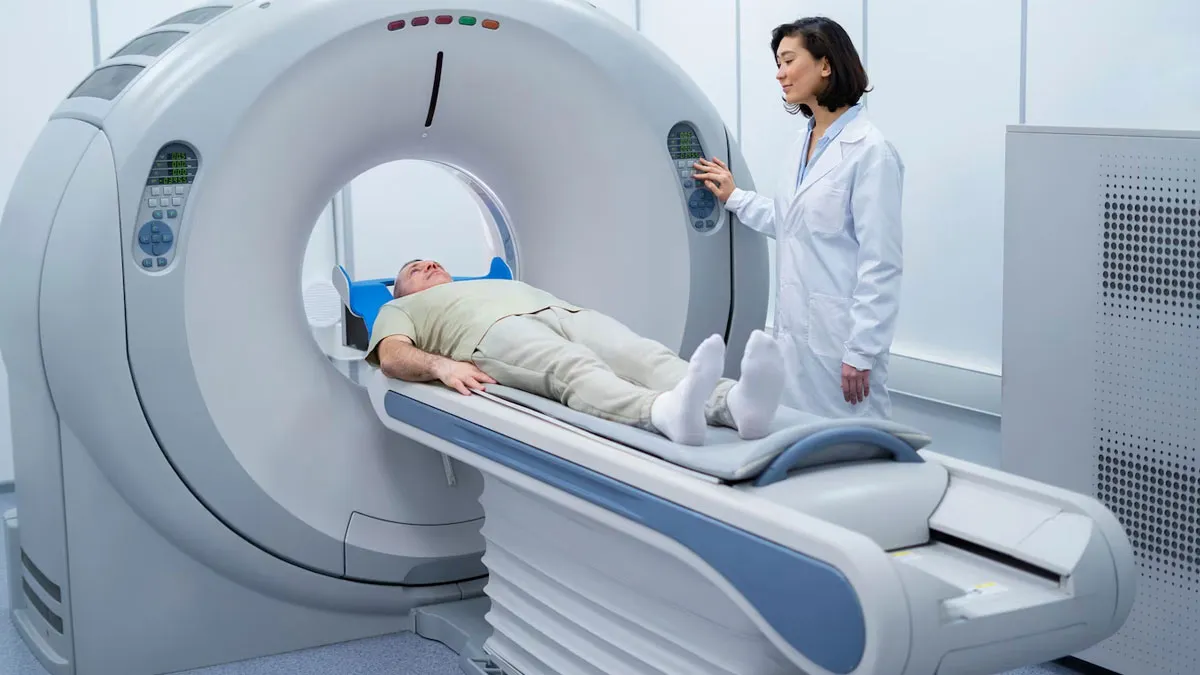
For kidney stones, doctors usually perform a non-contrast CT scan, meaning no dye or special liquid is needed. Kidney stones appear very bright on CT images because they are dense structures.
Dr Srivastava explains, "Kidney stones are hard and dense. On a CT scan, they light up like bright white spots against the darker background of surrounding organs." This clarity is why CT scans are often considered the most reliable test for kidney stones.
A study published in Academic Emergency Medicine looked at how imaging tests like CT scans are used in patients with suspected kidney stones. It analysed data collected over 10 years and found that the use of CT scans increased nearly 10 times during this period.
However, even with more CT scans being used, the number of confirmed kidney stone diagnoses stayed almost the same. The study highlights that CT scans are powerful tools for diagnosis, but their use should always be balanced against possible risks.
ALSO READ- Bladder Stones vs Kidney Stones: Key Differences, Symptoms, Causes And Treatment Explained
What Is an Ultrasound and How Does It Work?
An ultrasound is a completely different type of imaging test. Instead of radiation, it uses sound waves to create pictures of internal organs. A small handheld device called a transducer is moved over the skin. The sound waves bounce off organs and create images on a screen.
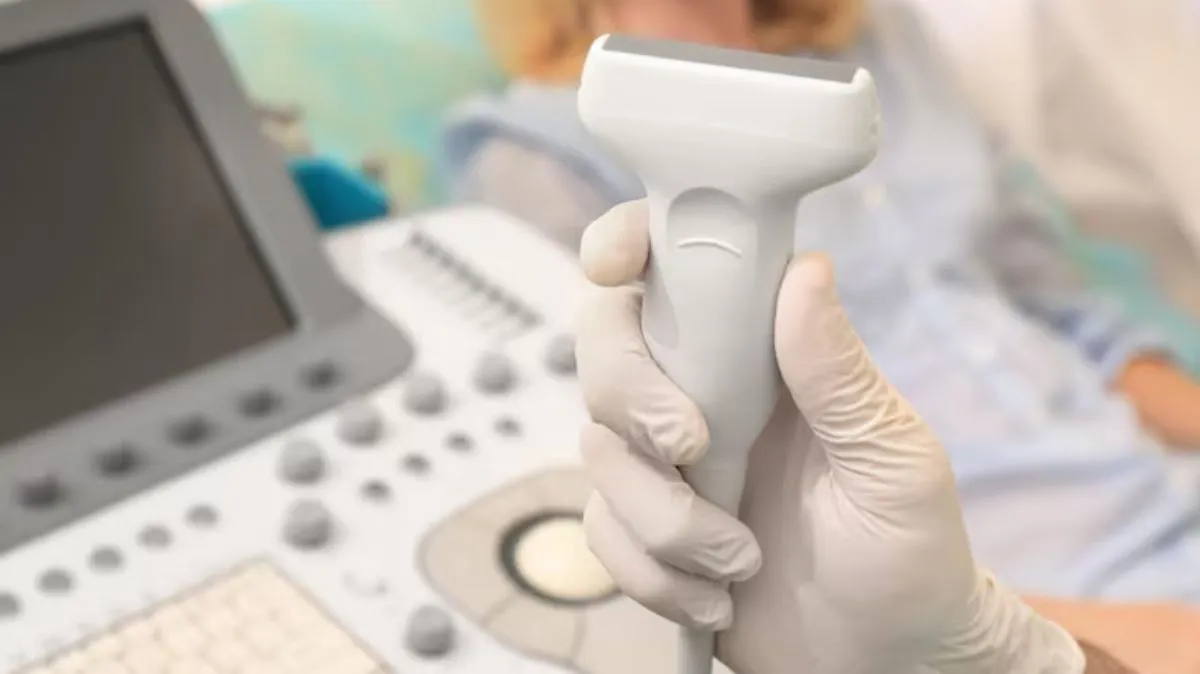
Dr Srivastava explains, "An ultrasound uses high-frequency sound waves to create images. It is the same technology used to check babies during pregnancy." This test is painless and widely available. It is often used as the first test, especially for children and pregnant women. Ultrasound is especially useful for detecting swelling in the kidney, which may suggest that a stone is blocking urine flow.
Why CT Scan Is Considered the Gold Standard for Kidney Stones
Among all imaging methods, the CT scan is widely known as the gold standard for diagnosing kidney stones.
1. High Precision
CT scans can detect stones that are extremely small—sometimes as tiny as 1–2 millimetres, about the size of a grain of sand.
Dr Srivastava says, "A CT scan can find stones as small as a grain of sand. This level of detail makes it the most accurate test for diagnosing kidney stones."
2. Exact Location of the Stone
CT scans not only detect stones but also show their exact location.
Doctors can see:
Whether the stone is in the kidney
Whether it has moved into the ureter
Whether it is close to the bladder
Dr Srivastava explains, "Knowing the exact location helps doctors decide the best treatment. A stone in the kidney may be managed differently from one stuck in the ureter." Location matters because stones in narrow areas are more likely to cause blockage.
3. Identifying Other Causes of Pain
Sometimes, symptoms that seem like kidney stones may actually be caused by other conditions.
A CT scan can detect problems such as:
- Appendicitis
- Ovarian cysts
- Intestinal conditions
Dr Srivastava notes, "If the pain is not caused by a stone, a CT scan can still help find the real cause. This makes it a valuable diagnostic tool." This ability helps avoid misdiagnosis.
Benefits of Ultrasound for Kidney Stone Diagnosis
While CT scans are highly accurate, ultrasound also plays an important role in diagnosis.
1. No Radiation Exposure
One of the biggest advantages of ultrasound is safety. Dr Srivastava explains, "Ultrasound uses sound waves, not radiation. This makes it completely safe for pregnant women, children, and patients who need repeated testing." This is especially important for people who require frequent monitoring.
2. Detecting Kidney Swelling (Hydronephrosis)
Even if a stone is not clearly visible, ultrasound can detect hydronephrosis, which means swelling of the kidney due to blocked urine flow.
Dr Srivastava says, "Ultrasound is very good at detecting kidney swelling. If the kidney is swollen, it strongly suggests that a stone is blocking urine flow." This indirect sign helps guide treatment.
3. Faster and More Comfortable
Ultrasound tests are usually:
- Quick
- Comfortable
- Less expensive
- Widely available
Patients do not need to lie inside a machine, making it more convenient.
Dr Srivastava adds, "Ultrasound is generally faster and more comfortable. It is also more affordable than CT scanning." This makes it a practical first test in many cases.
A study published on Asian Journal of Urology examined how well ultrasound can detect small kidney and ureter stones. The researchers studied patients with suspected ureteric stones and focused on special ultrasound signs called acoustic shadow and twinkle artefact, which help doctors identify stones clearly. The study found that ultrasound became highly accurate for stones larger than 5 mm, with detection accuracy reaching over 90% in many cases.
Limitations of CT Scan: What Are the Trade-offs?
Despite its accuracy, a CT scan has certain limitations. CT scans use X-rays, which expose the body to radiation. While modern CT machines use lower radiation doses, repeated scans should be avoided when possible.
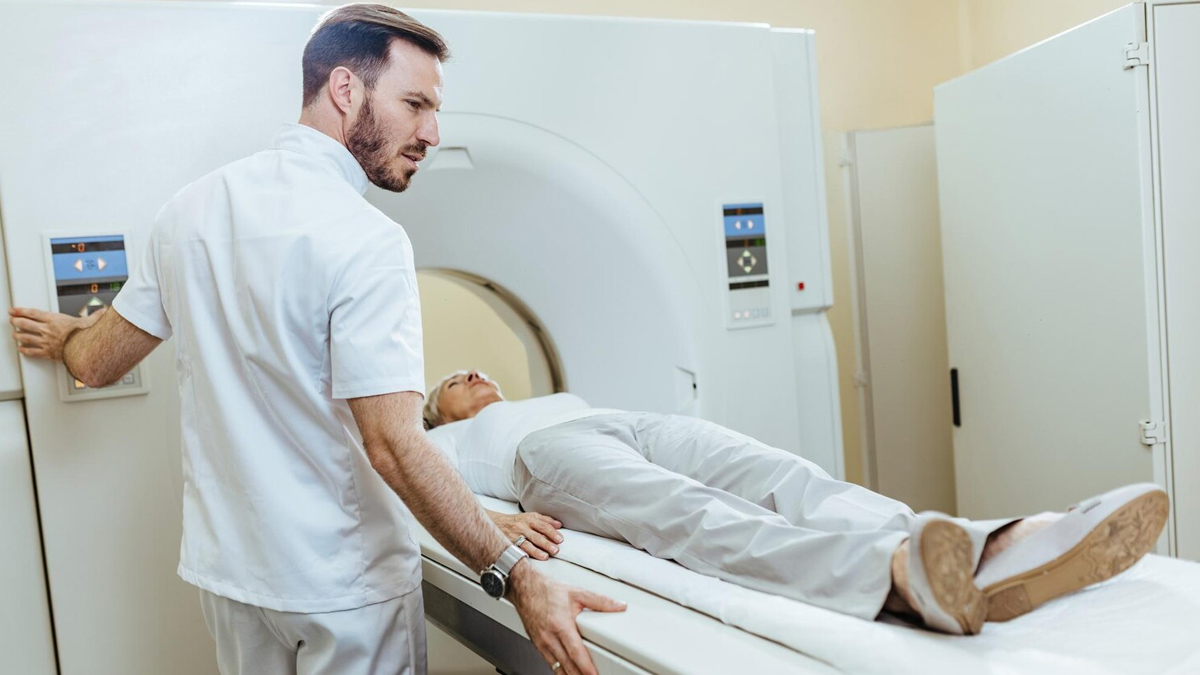
Dr Srivastava explains, "There is a small dose of radiation involved in CT scanning. While it is generally safe, doctors try to limit repeated exposure." Children and young adults are usually protected from unnecessary radiation.
Higher Cost
- CT scans are generally more expensive than an ultrasound.
- This may influence test selection, especially in routine or follow-up cases.
Limitations of Ultrasound: When It May Miss Stones
Ultrasound is safe and convenient, but it does not always detect all stones.
1. Difficulty Detecting Very Small Stones
- Tiny stones may not be visible on ultrasound images.
- Dr Srivastava explains, "Ultrasound can miss very small stones, especially those deep inside the ureter."
2. Blind Spots Due to Body Structure
Sound waves may not travel effectively through:
- Excess body fat
- Gas in the intestines
- This can create blind spots where stones remain hidden.
When Do Doctors Prefer a CT Scan Over an Ultrasound?
Doctors choose CT scans when a detailed and precise diagnosis is needed.
A CT scan is usually recommended when:
- Pain is severe and sudden
- Ultrasound results are unclear
- Small stones are suspected
- Complications are likely
- Diagnosis is uncertain
Dr Srivastava says, "CT scanning is preferred when accuracy is critical, especially in emergency situations." This helps ensure timely treatment.
A study published in the New England Journal of Medicine compared ultrasound and CT scans in patients who came to the emergency department with suspected kidney stones. The researchers found that doctors often started with an ultrasound to reduce radiation exposure, but CT scans were used later when ultrasound results were unclear or when symptoms continued despite treatment.
When Is Ultrasound Preferred Over a CT Scan?
Ultrasound is often the first choice in certain situations.
Doctors may recommend an ultrasound when:
- The patient is pregnant
- The patient is a child
- Follow-up imaging is needed
- Radiation exposure should be avoided
Dr Srivastava explains, "Ultrasound is the safest choice for repeated imaging and for sensitive groups like pregnant women." This helps reduce unnecessary risk.
When a Kidney Stone Becomes a Medical Emergency
Most kidney stones pass naturally with time, water, and medication. However, certain symptoms signal serious complications. Dr Srivastava highlights several red flag symptoms that require urgent medical attention.
- Fever and Chills
- Back pain combined with fever may indicate an infected kidney.
Dr Srivastava warns, "Fever with kidney stone pain is a major warning sign. It often means infection trapped behind the stone, which requires emergency treatment."
Severe, Uncontrolled Pain
- Pain that prevents sitting still or causes vomiting needs immediate medical care.
- Kidney stone pain is sometimes described as similar to labour pain.
Inability to Urinate
- If urine flow stops or reduces significantly, a stone may be blocking the urinary tract.
- This can lead to kidney damage if untreated.
Persistent Nausea and Vomiting
- Vomiting can cause dehydration, which worsens stone formation.
- Dr Srivastava explains, "Dehydration makes urine more concentrated and increases the risk of complications."
Visible Blood or Cloudy Urine
- While mild pink urine is common, heavy bleeding or foul-smelling urine may signal infection.
- Immediate medical attention is required.
How Doctors Decide Which Test Is Right for You
Choosing between an ultrasound and a CT scan depends on multiple factors.
Doctors usually consider:
- Patient age
- Pregnancy status
- Severity of symptoms
- Medical history
- Previous imaging results
Dr Srivastava explains, "The choice of imaging depends on the situation. Sometimes ultrasound is enough, but in emergencies, a CT scan provides faster and clearer answers."
Individualised care ensures better outcomes.
Tips to Prepare for Your Doctor’s Visit
Preparing properly for a consultation helps doctors make faster decisions. Dr Srivastava recommends being ready to answer three important questions:
1. Where Is the Pain Located?
Pain location helps identify stone movement.
For example:
- Back or flank pain suggests kidney involvement
- Pain moving toward the groin suggests ureter stones
2. How Much Water Are You Drinking?
- Hydration plays a major role in stone formation.
- Honest answers help doctors understand risk factors.
3. Is There a Family History of Kidney Stones?
- Kidney stones often run in families.
- Dr Srivastava explains, "Family history is important because genetics can increase the risk of stone formation."
Why Saving Passed Stones Can Help Future Treatment
If a stone passes naturally, saving it can provide valuable information. Doctors may send the stone to a laboratory for analysis.
The test identifies stone type, such as:
- Calcium stones
- Uric acid stones
Dr Srivastava says, "Knowing the stone type helps us recommend the right diet and preventive treatment." Personalised care reduces recurrence risk.
ALSO READ- Acute Kidney Injury vs Chronic Kidney Disease: Key Differences, Causes, and Treatment
Conclusion
Both ultrasound and CT scan play important roles in diagnosing kidney stones. CT scans provide unmatched accuracy and detailed information, making them the gold standard in emergency settings. Ultrasound, on the other hand, offers a safe and radiation-free option that is especially useful for children, pregnant women, and follow-up monitoring.
The right test depends on symptoms, risk factors, and clinical judgement. Understanding these differences helps patients feel more confident and informed during diagnosis. With timely imaging and proper medical care, most kidney stones can be detected early and managed effectively.
FAQ
1. Is a CT scan more accurate than an ultrasound for kidney stones?
Yes, a CT scan is usually more accurate than an ultrasound. It can detect very small stones and show their exact location. That is why doctors often call it the gold standard for kidney stone diagnosis.2. Is ultrasound safer than a CT scan for kidney stones?
Ultrasound is considered safer because it does not use radiation. It uses sound waves to create images. This makes it a better choice for pregnant women, children, and people who need repeated tests.3. Can ultrasound miss kidney stones?
Yes, ultrasound can sometimes miss very small stones or stones located deep in the ureter. In such cases, doctors may recommend a CT scan to confirm the diagnosis.4. Do all kidney stone patients need a CT scan?
No, not everyone needs a CT scan. Many patients start with an ultrasound. A CT scan is usually advised if symptoms are severe or if ultrasound results are unclear.5. How long do ultrasound and CT scan tests take?
An ultrasound usually takes about 15 to 30 minutes. A CT scan is often faster and may take only 5 to 10 minutes. Both tests are painless and commonly used in hospitals.
All possible measures have been taken to ensure accuracy, reliability, timeliness and authenticity of the information; however Onlymyhealth.com does not take any liability for the same. Using any information provided by the website is solely at the viewers’ discretion. In case of any medical exigencies/ persistent health issues, we advise you to seek a qualified medical practitioner before putting to use any advice/tips given by our team or any third party in form of answers/comments on the above mentioned website.

How we keep this article up to date:
We work with experts and keep a close eye on the latest in health and wellness. Whenever there is a new research or helpful information, we update our articles with accurate and useful advice.
-
Current Version
Apr 23, 2026 18:40 IST
Modified By : Vivek Kumar Apr 23, 2026 18:40 IST
Modified By : Vivek KumarApr 23, 2026 18:40 IST
Modified By : Vivek KumarApr 23, 2026 18:40 IST
Published By : Vivek Kumar
Reviewed By : Dr Arpit Srivastava