
Kidney diseases are becoming increasingly common, yet many people struggle to understand the difference between sudden kidney damage and long-term kidney disease. Two major conditions often discussed are Acute Kidney Injury (AKI) and Chronic Kidney Disease (CKD). While both affect kidney function, they differ greatly in how quickly they develop, how they are treated, and what outcomes patients can expect.
Dr Arpit Srivastava, Consultant Nephrologist, Regency Hospital, Gorakhpur, explains, “Acute Kidney Injury is like a sudden shock to the kidneys that happens within hours or days, whereas Chronic Kidney Disease develops slowly over months or years. Recognising the difference early is critical because AKI can often be reversed, while CKD usually requires lifelong management.”
Understanding these differences can help patients seek timely medical care and protect long-term kidney health.
What Is Acute Kidney Injury and Chronic Kidney Disease?
At the most basic level, Acute Kidney Injury (AKI) refers to a sudden decline in kidney function. It usually develops over hours or days. During this time, the kidneys lose their ability to remove waste and excess fluids effectively. This rapid change makes AKI a medical emergency that requires immediate attention.
Chronic Kidney Disease (CKD), on the other hand, develops slowly over months or years. Many people may not notice symptoms in the early stages. By the time symptoms appear, kidney damage is often already significant.
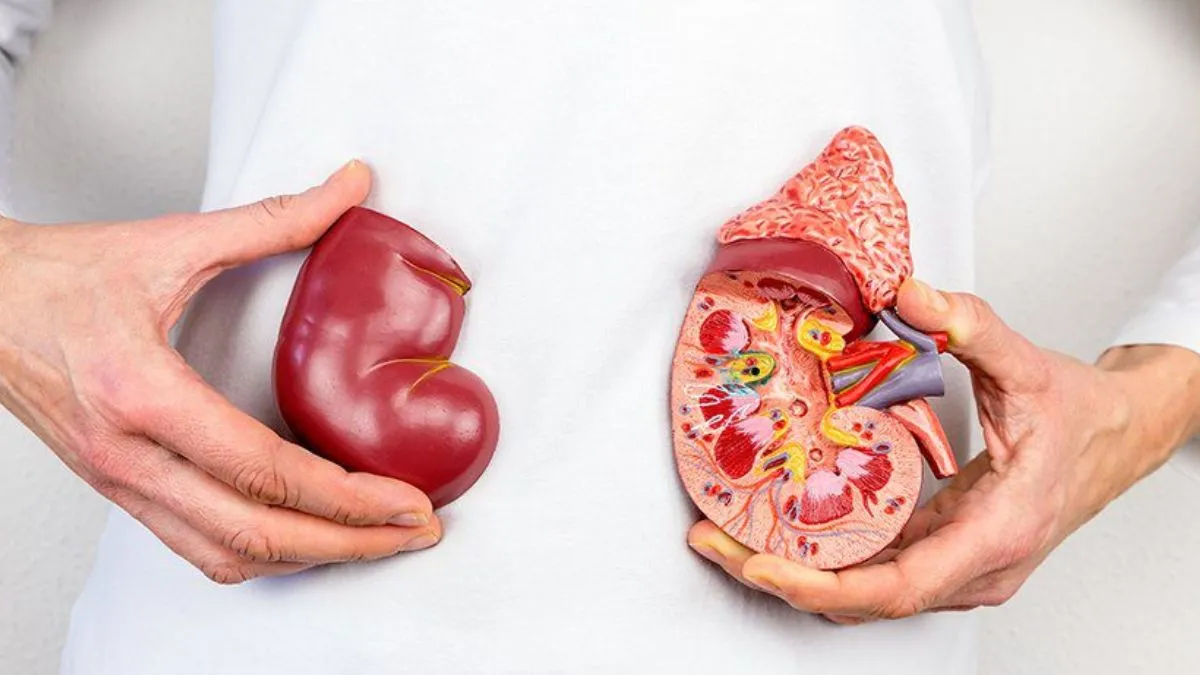
Doctors generally classify kidney problems based on duration. If kidney function declines for less than three months, it is usually considered AKI. If damage continues for more than three months, it is diagnosed as CKD. It is also possible for both conditions to occur together. This is known as AKI on CKD, where a person with long-term kidney disease experiences a sudden decline in function.
A 2026 review study published in the journal Cellular and Molecular Life Sciences, explains how Acute Kidney Injury (AKI) develops and why early diagnosis is important. The study reports that AKI affects about 13.3 million people worldwide each year and contributes to nearly 1.7 million deaths, showing how serious this condition can be.
The study also highlights that early detection of AKI is very important because delayed treatment increases the risk of developing Chronic Kidney Disease (CKD) later. This shows that recognising kidney injury early can help protect long-term kidney health.
ALSO READ- Kidney Stones in Summer: Causes, Risks, and Prevention Tips
Onset and Timeline: How Fast Kidney Damage Happens
One of the biggest differences between AKI and CKD is the speed at which damage occurs. AKI develops rapidly. Waste products build up quickly in the blood because the body does not have time to adjust. Without timely treatment, vital organs can be affected within days.
CKD progresses slowly. It may take years before symptoms become noticeable. This slow progression is why many patients are diagnosed at later stages when significant damage has already occurred.
Doctors often use the three-month rule to distinguish between the two conditions. If kidney function remains reduced beyond three months, CKD is diagnosed.
Causes and Risk Factors of AKI and CKD

Both AKI and CKD can occur due to different underlying causes. AKI is commonly grouped into three categories:
Prerenal Causes
These occur when blood flow to the kidneys is reduced. Common triggers include:
- Severe dehydration
- Blood loss
- Heart failure
- Severe infection (sepsis)
In these cases, the kidneys themselves may be healthy but are not receiving enough blood.
Intrinsic Causes
These involve direct damage to kidney tissues due to:
- Certain medications such as NSAIDs
- Contrast dyes used in imaging
- Infections
- Inflammation of kidney structures
Postrenal Causes
These occur when urine flow is blocked, causing pressure to build up in the kidneys. Common causes include:
- Kidney stones
- Enlarged prostate
- Tumours
Causes of Chronic Kidney Disease
CKD is usually linked to long-term conditions such as:
- Diabetes (leading global cause)
- High blood pressure
- Autoimmune diseases such as lupus
- Repeated episodes of AKI
Over time, uncontrolled blood sugar and high blood pressure damage delicate kidney blood vessels, leading to permanent scarring.
Symptoms: How AKI and CKD Affect the Body
Symptoms often differ between sudden and long-term kidney problems. A 2025 review study published in the journal Molecular Biomedicine, explains that Acute Kidney Injury (AKI) can affect the whole body, not just the kidneys. The study shows that AKI causes sudden kidney damage that leads to metabolic disturbances, inflammation, and reduced blood flow, which can harm other organs such as the heart and lungs.
Symptoms of Acute Kidney Injury
AKI symptoms usually appear quickly and may include:
- Sudden decrease in urine output
- Swelling in legs, face, or feet
- Nausea and vomiting
- Shortness of breath
- Confusion
- Severe fatigue
These symptoms are often dramatic, which encourages patients to seek urgent care.
Symptoms of Chronic Kidney Disease
CKD symptoms develop gradually and may include:
- Persistent fatigue
- Swollen ankles or feet
- Frequent urination at night
- Foamy urine
- Loss of appetite
- Itchy skin
- Difficulty concentrating
Early stages may not cause noticeable symptoms, making routine screening important.
How Doctors Diagnose AKI and CKD
Diagnosis of kidney diseases usually involves similar tests, but doctors interpret them differently depending on the situation.
Common diagnostic tools include:
Blood Tests
Serum creatinine levels are used to measure kidney function. A sudden rise often indicates AKI, while gradual increases suggest CKD.
Glomerular Filtration Rate (GFR)
A research review based on international kidney guidelines explains that Chronic Kidney Disease (CKD) is diagnosed when the GFR stays below 60 mL/min/1.73 m² for three months or longer, even if a person does not have clear symptoms. GFR measures how well the kidneys filter blood. A GFR below 60 for more than three months usually indicates CKD.
- Urine Tests: It help detect protein or blood, which may signal kidney damage.
- Kidney Ultrasound: Ultrasound imaging helps determine kidney size. Small kidneys often indicate long-standing CKD, while normal-sized kidneys may suggest AKI.
- Kidney Biopsy: In some cases, doctors may take a small tissue sample to identify inflammation or scarring.
ALSO READ- What Are Uric Acid Kidney Stones? Symptoms, Diagnosis, and Treatment Options
The Dangerous Combination: AKI on CKD
A person with Chronic Kidney Disease is more vulnerable to Acute Kidney Injury. This condition is known as AKI on CKD. It reduces kidney reserve, meaning the kidneys cannot tolerate additional stress as effectively. Even minor issues such as dehydration or infections can trigger sudden damage.

This combination increases the risk of complications and permanent kidney damage. Recovery may be slower, and patients are more likely to require dialysis.
Treatment Approaches: Immediate vs Long-Term Care
Treatment strategies differ greatly between AKI and CKD.
Treatment for Acute Kidney Injury
AKI treatment focuses on immediate action. Steps may include:
- Identifying and treating the cause
- Stopping harmful medications
- Providing intravenous fluids
- Correcting electrolyte imbalances
- Using dialysis if needed temporarily
With timely treatment, many AKI patients recover kidney function.
Treatment for Chronic Kidney Disease
CKD treatment focuses on long-term management.
Common strategies include:
- Controlling blood pressure
- Managing blood sugar levels
- Following a kidney-friendly diet
- Treating complications such as anaemia
- Planning dialysis or transplant in advanced stages
While CKD cannot usually be reversed, progression can be slowed with proper care.
Can AKI Lead to Chronic Kidney Disease?
Recent medical research shows that AKI can increase the risk of developing CKD later. Even after recovery, hidden inflammation and scarring may remain. This damage can slowly progress over time.
Patients who have experienced severe AKI are often advised to undergo follow-up kidney tests at three months, six months, and one year after recovery.
A 2025 systematic review published in the journal Nephrology found that people who develop AKI have a significantly higher risk of developing CKD, kidney failure, or long-term kidney damage compared to those who never had AKI.
The study analysed data from more than 1.8 million patients and showed that about 25.8% of patients with AKI later developed CKD, compared to only 8.7% of those without AKI.
Complications Beyond the Kidneys
Kidney disease affects more than just the kidneys.
Complications of AKI
Short-term complications may include:
- Fluid overload
- Heart rhythm problems
- Confusion
- Lung fluid buildup
These complications can become life-threatening if untreated.
Complications of CKD
Long-term complications include:
- Heart disease
- Anaemia
- Bone disease
- High blood pressure
Cardiovascular disease remains one of the leading causes of death in CKD patients.
Prevention Tips for AKI and CKD

Prevention plays a major role in kidney health.
- Preventing Acute Kidney Injury
- Stay well hydrated
- Avoid excessive use of painkillers
- Treat infections promptly
- Monitor kidney function during medical treatments
Preventing Chronic Kidney Disease
- Control diabetes and blood pressure
- Reduce salt intake
- Maintain a healthy weight
- Avoid smoking
- Get regular kidney tests if at risk
Early screening remains one of the most effective preventive strategies.
When to See a Doctor
It is important to see a doctor if you notice sudden changes in urine, swelling in the legs or face, or extreme tiredness that does not improve. Seek urgent medical care if urine output drops suddenly, breathing becomes difficult, or confusion develops, as these may be signs of Acute Kidney Injury.
People living with diabetes, high blood pressure, or a history of kidney problems should not wait for symptoms. Regular kidney tests can help detect Chronic Kidney Disease early, when treatment works best and serious complications can often be prevented.
ALSO READ- Can Kidney Failure Be Reversed? Understanding Recovery by Stage and Cause
Conclusion
Acute Kidney Injury and Chronic Kidney Disease may affect the same organs, but they behave very differently. One happens suddenly and needs urgent treatment, while the other develops slowly and requires long-term care. Knowing the warning signs, understanding the risk factors, and getting regular health checks can make a big difference to kidney health.
FAQ
1. What is the main difference between AKI and CKD?
AKI develops suddenly over hours or days, while CKD develops slowly over months or years. AKI is often reversible, but CKD usually requires long-term management.2. Can Acute Kidney Injury be completely cured?
Many cases of AKI can be reversed if treated early. However, severe cases may lead to permanent kidney damage.3. Is Chronic Kidney Disease always permanent?
CKD is usually irreversible, but progression can be slowed significantly with proper treatment and lifestyle changes.4. Can AKI turn into CKD?
Yes. Some patients who recover from AKI later develop CKD, especially if the initial injury was severe.5. When should someone see a doctor for kidney symptoms?
Immediate medical attention is needed if there is reduced urine output, swelling, severe fatigue, or confusion. Regular screening is also important for people with diabetes or high blood pressure.
All possible measures have been taken to ensure accuracy, reliability, timeliness and authenticity of the information; however Onlymyhealth.com does not take any liability for the same. Using any information provided by the website is solely at the viewers’ discretion. In case of any medical exigencies/ persistent health issues, we advise you to seek a qualified medical practitioner before putting to use any advice/tips given by our team or any third party in form of answers/comments on the above mentioned website.
How we keep this article up to date:
We work with experts and keep a close eye on the latest in health and wellness. Whenever there is a new research or helpful information, we update our articles with accurate and useful advice.
-
Current Version
Apr 22, 2026 19:36 IST
Modified By : Vivek Kumar Apr 22, 2026 19:36 IST
Modified By : Vivek KumarApr 22, 2026 19:36 IST
Modified By : Vivek KumarApr 22, 2026 19:36 IST
Published By : Vivek Kumar
Reviewed By : Dr Arpit Srivastava