
Kidney failure is a serious medical condition that can affect many parts of the body and become life-threatening if not treated on time. The kidneys play a vital role in removing waste, balancing fluids, and maintaining healthy blood pressure. When they stop working properly, harmful substances begin to build up in the bloodstream, leading to severe complications.
Understanding how kidney failure affects the body, its warning signs, and available treatments can help people take timely action and improve survival chances. To know more about it, we reached out to Dr Arpit Srivastava, Consultant Nephrologist, Regency Hospital, Gorakhpur.
What Is Kidney Failure and How Does It Affect the Body?
Kidney failure occurs when the kidneys lose their ability to filter waste products and excess fluids from the blood. This causes toxins and fluid to accumulate in the body, which can affect multiple organs.
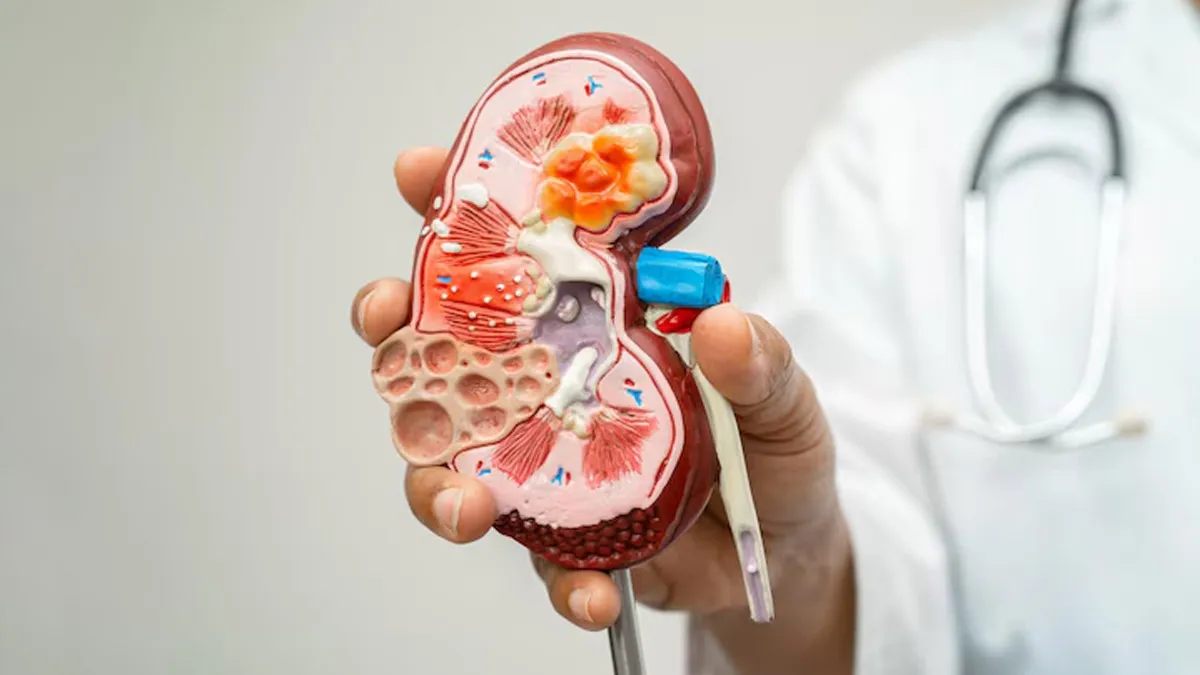
Healthy kidneys perform several essential functions that keep the body alive. They:
- Remove toxins and waste from the blood
- Remove extra fluid through urine
- Maintain electrolyte balance, such as sodium and potassium
- Help regulate blood pressure
- Support red blood cell production
When the kidneys fail, these functions stop working properly. As a result, waste builds up in the bloodstream, leading to serious health problems.
Dr Arpit explains, “Kidney failure means the kidneys are no longer able to filter waste and excess fluid effectively. When toxins begin to accumulate in the body, it can affect vital organs such as the heart, lungs, and brain, making the condition potentially life-threatening if not treated.”
The World Health Organization (WHO) highlights that chronic kidney disease (CKD), which can progress to kidney failure. It is a growing global health concern. According to WHO-supported data, kidney disease leads to dangerous levels of fluid, electrolytes, and waste building up in the body when kidney function declines. This buildup can affect many organs and become life-threatening in advanced stages if treatment is not started on time.
ALSO READ- Kidney Stones in Summer: Causes, Risks, and Prevention Tips
Difference Between Acute and Chronic Kidney Failure
Kidney failure can occur suddenly or develop slowly over time.
Acute Kidney Failure (Acute Kidney Injury – AKI)
Acute kidney failure happens suddenly, often within hours or days. It is usually caused by:
- Severe infections
- Dehydration
- Certain medications
- Reduced blood flow to the kidneys
In many cases, acute kidney failure can be reversed if treated quickly.
Chronic Kidney Failure (Chronic Kidney Disease – CKD)
Chronic kidney failure develops gradually over months or years. It is commonly caused by long-term health conditions such as:
- Diabetes: High blood pressure
- Chronic kidney failure is usually permanent and can progress to advanced stages if not managed properly.
Dr Arpit notes, “Acute kidney failure can often be treated if detected early, but chronic kidney failure usually progresses slowly and may eventually require dialysis or transplant if the kidneys lose most of their function.”
Can Kidney Failure Directly Cause Death?
Yes, kidney failure can directly cause death, especially if it becomes severe and remains untreated. Dr Arpit explains, “Kidney failure becomes life-threatening when waste products, fluids, and electrolytes reach dangerous levels in the body. These imbalances can affect vital organs and increase the risk of death.”
A 2024 study published in the journal Kidney Research and Clinical Practice found that reduced kidney function is strongly linked to a higher risk of death, especially when kidney failure becomes severe. Researchers observed that as kidney function declined, the chances of death increased due to complications such as heart problems, infections, and toxin buildup in the body.
How Toxin Buildup in the Blood Becomes Dangerous
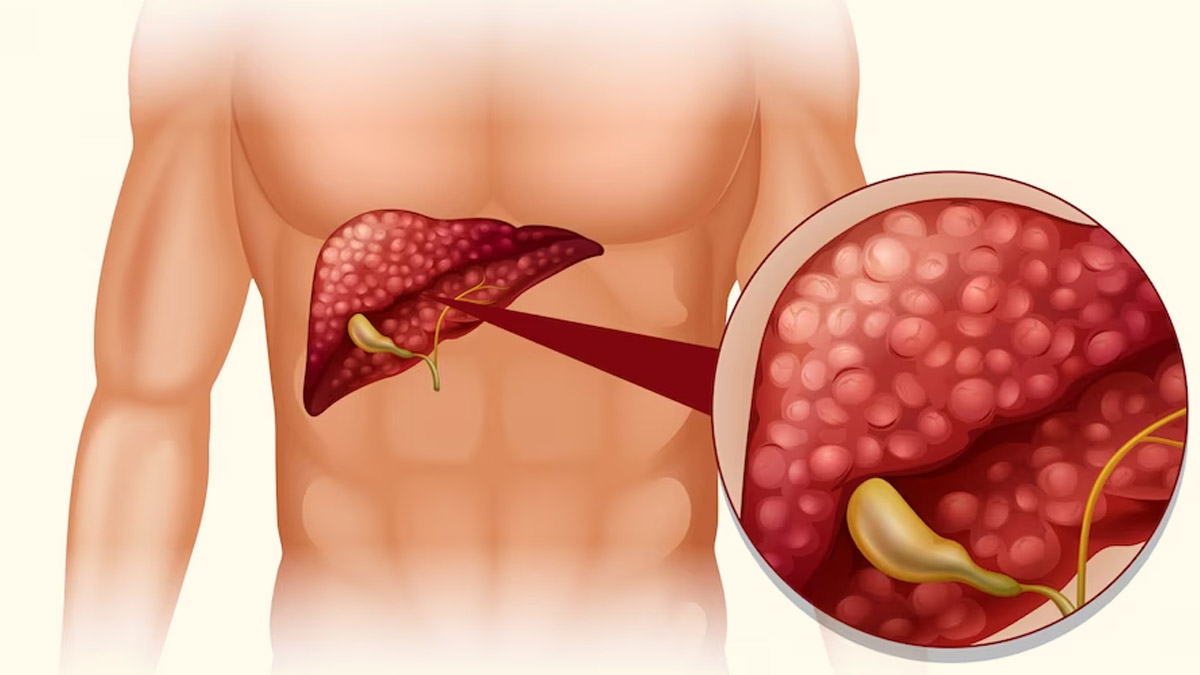
When kidneys fail, waste products such as urea and creatinine accumulate in the bloodstream. This condition is known as uremia.
High toxin levels can affect:
- Brain function
- Heart rhythm
- Lung function
Symptoms may include confusion, seizures, or coma if toxin levels continue to rise.
The Role of Fluid Overload and Electrolyte Imbalance
Kidney failure often causes excess fluid to remain in the body. This can lead to swelling in the legs and fluid buildup in the lungs. Electrolyte imbalances are another major concern.
Dr Arpit adds, “High potassium levels, known as hyperkalemia, are particularly dangerous because they can disturb heart rhythm and cause sudden cardiac arrest.”
What Happens When Kidney Failure Is Left Untreated
Without treatment:
- Waste products continue to accumulate
- Fluid overload worsens
- Organ damage spreads
Over time, complications such as heart failure, infections, or lung problems may become fatal.
A cohort study from the Atherosclerosis Risk in Communities (ARIC) Study found that untreated kidney failure is linked to poor survival and a high risk of death over time. Researchers reported that among people with kidney failure, only about 59.8% survived the first year, and survival continued to decline over the following years as waste products and fluid built up in the body.
ALSO READ- Signs You May Have a Kidney Stone: Early Symptoms You Should Never Ignore
Life-Threatening Complications of Kidney Failure
Kidney failure can trigger several serious complications that increase the risk of death. High potassium levels are one of the most dangerous complications.
-1772782795590.webp)
Potassium helps regulate heart rhythm, but high levels can cause:
- Irregular heartbeats
- Sudden cardiac arrest
- Low sodium or calcium levels can also affect brain and muscle function.
Fluid Buildup in the Lungs (Pulmonary Oedema)
When the kidneys cannot remove extra fluid, it collects in tissues, including the lungs.
This condition, known as pulmonary oedema, causes:
- Severe breathlessness
- Reduced oxygen supply
- Risk of respiratory failure
- Heart Problems Linked to Kidney Failure
- Kidney failure increases the risk of heart disease and heart failure.
- The heart and kidneys work closely together. When one organ fails, the other is often affected.
Cardiovascular disease remains one of the leading causes of death among people with kidney failure.
Severe Infections
Kidney failure weakens the immune system, making infections more likely.
These infections may include:
- Pneumonia
- Bloodstream infections
- If untreated, infections can become life-threatening.
Metabolic Acidosis
When kidneys fail, acids accumulate in the blood. This condition is known as metabolic acidosis.
Severe acidosis can affect:
- Breathing
- Heart function
- Brain activity
- Uremia (Toxin Buildup)
- Uremia occurs when waste products accumulate in the bloodstream.
Symptoms may include:
- Nausea
- Fatigue
- Confusion
- Itching
In advanced stages, uremia can lead to seizures or coma.
How Long Can a Person Live With Kidney Failure Without Treatment?
Survival time without treatment depends on the severity of kidney failure and the presence of complications. Dr Arpit explains, “In severe kidney failure, survival without treatment may be limited to days or weeks, especially if complications such as high potassium or fluid overload occur.”
Acute vs Chronic Kidney Failure Survival
In acute kidney failure:
- Survival depends on the cause
- Severe, untreated cases may lead to death within days
In chronic kidney failure:
- Survival becomes limited once the disease reaches advanced stages
- Without dialysis or transplant, survival becomes very short
What Happens Without Dialysis or Transplant?
Without treatment:
- Toxins accumulate
- Fluid overload increases
- Organ damage progresses
Eventually, complications such as heart failure or breathing problems may occur.
Factors That Influence Survival Time
Several factors determine survival, including:
- Age
- Presence of other diseases
- Severity of kidney damage
- Access to medical care
- Nutritional status
Early diagnosis significantly improves survival chances.
What Is End-Stage Kidney Disease (ESRD) and Why Is It Dangerous?
End-stage kidney disease is the most advanced stage of chronic kidney disease. At this stage, kidney function drops below 10–15% of normal capacity.
Dr Arpit explains, “End-stage kidney disease means the kidneys can no longer perform the functions needed to keep the body alive. At this stage, dialysis or transplant becomes necessary.”
-1771948042858.webp)
A 2024 study published in BMC Urology explains that end-stage kidney disease (ESRD) is considered dangerous because it is linked to very high death rates, even with treatment. The study reported that people with ESRD often have serious complications such as toxin buildup in the blood, chronic inflammation, and damage to blood vessels and the heart.
Symptoms of ESRD
Common symptoms include:
- Swelling
- Fatigue
- Breathlessness
- Nausea
- Confusion
Waste products accumulate rapidly, leading to life-threatening complications.
Can Dialysis Prevent Death From Kidney Failure?
Dialysis is a life-saving treatment that helps many people survive kidney failure. Dr Arpit explains, “Dialysis removes waste products and extra fluid from the blood when the kidneys cannot perform these tasks. It helps maintain chemical balance and prevents dangerous complications.”
Types of Dialysis
- Hemodialysis: Blood is filtered using a machine. It is usually done several times a week.
- Peritoneal Dialysis: Uses the lining of the abdomen to filter waste products.
- Limitations of Dialysis: Dialysis supports survival but does not cure kidney failure.
Patients must continue treatment regularly.
Skipping dialysis sessions can be dangerous. Dr Arpit warns, “Missing dialysis sessions can quickly lead to toxin buildup, breathing difficulty, and heart problems.”
Can a Kidney Transplant Save Lives?
A kidney transplant is often considered the most effective long-term treatment. Dr Arpit explains, “A kidney transplant replaces the failed kidney with a healthy donor kidney, allowing the body to perform essential functions again.”
Benefits of Kidney Transplant
- Restores kidney function
- Improves survival rates
- Enhances quality of life
Many patients live for decades after a successful transplant.
Risks and Long-Term Outcomes
While beneficial, transplants carry risks such as:
- Organ rejection
- Infections
- Medication side effects
However, for many patients, the benefits outweigh the risks.
According to Dr Arpit, early awareness and timely treatment can significantly improve survival outcomes. “Kidney failure should never be ignored. Many complications become life-threatening only when treatment is delayed. With timely diagnosis, dialysis, or transplant, many patients can live longer and maintain a good quality of life.”
ALSO READ- Grade 3 Fatty Liver: Causes, Symptoms, Diagnosis, and Treatment
Conclusion
Kidney failure is a serious condition that can become fatal if left untreated. The risk of death increases when toxins, fluids, and electrolytes accumulate to dangerous levels and affect vital organs. However, modern treatments such as dialysis and kidney transplant have significantly improved survival rates. What this really means is that early diagnosis and consistent treatment make a huge difference
FAQ
1. Can kidney failure cause sudden death?
Yes, severe kidney failure can cause sudden death due to complications such as high potassium levels or heart rhythm problems.2. How long can someone survive with kidney failure without treatment?
Survival without treatment may range from days to weeks in severe cases, especially in advanced stages.3. Is kidney failure always fatal?
No, kidney failure is not always fatal. With dialysis or transplant, many people live for years.4. What are the early warning signs of kidney failure?
Symptoms may include swelling, fatigue, reduced urine output, nausea, and breathlessness.5. Can dialysis completely cure kidney failure?
No, dialysis does not cure kidney failure, but it helps remove waste and supports survival.
All possible measures have been taken to ensure accuracy, reliability, timeliness and authenticity of the information; however Onlymyhealth.com does not take any liability for the same. Using any information provided by the website is solely at the viewers’ discretion. In case of any medical exigencies/ persistent health issues, we advise you to seek a qualified medical practitioner before putting to use any advice/tips given by our team or any third party in form of answers/comments on the above mentioned website.
How we keep this article up to date:
We work with experts and keep a close eye on the latest in health and wellness. Whenever there is a new research or helpful information, we update our articles with accurate and useful advice.
-
Current Version
Apr 19, 2026 13:07 IST
Modified By : Vivek Kumar Apr 19, 2026 13:07 IST
Modified By : Vivek KumarApr 19, 2026 13:07 IST
Modified By : Vivek KumarApr 19, 2026 13:07 IST
Published By : Vivek Kumar
Reviewed By : Dr Arpit Srivastava