
Ovarian health is often overlooked until symptoms become uncomfortable or difficult to ignore. Many women hear about ovarian cysts and ovarian cancer and assume they are similar because both affect the ovaries. In reality, these conditions are very different in terms of severity, causes, and treatment. Ovarian cysts are usually harmless and often resolve on their own, while ovarian cancer is a serious condition that requires timely medical care.
Understanding how these two different conditions can help women recognise warning signs early and avoid unnecessary anxiety over benign issues. According to Dr Shobha Gupta, Medical Director, Gynaecologist from Mother's Lap IVF Centre and Founder Mumma's Blessing IVF and Birthing Paradise, Vrindavan, awareness and timely evaluation are the most important steps in protecting ovarian health.
What Are Ovarian Cysts?
Ovarian cysts are fluid-filled sacs that form on or inside the ovaries. They are very common, especially in women of reproductive age, and most are non-cancerous. In many cases, cysts develop as part of the normal menstrual cycle and disappear without treatment.
Dr Shobha Gupta explains, “Most ovarian cysts are a part of the normal menstrual cycle and resolve on their own without any intervention. Women often don’t even realise they have them unless detected during a routine ultrasound.”
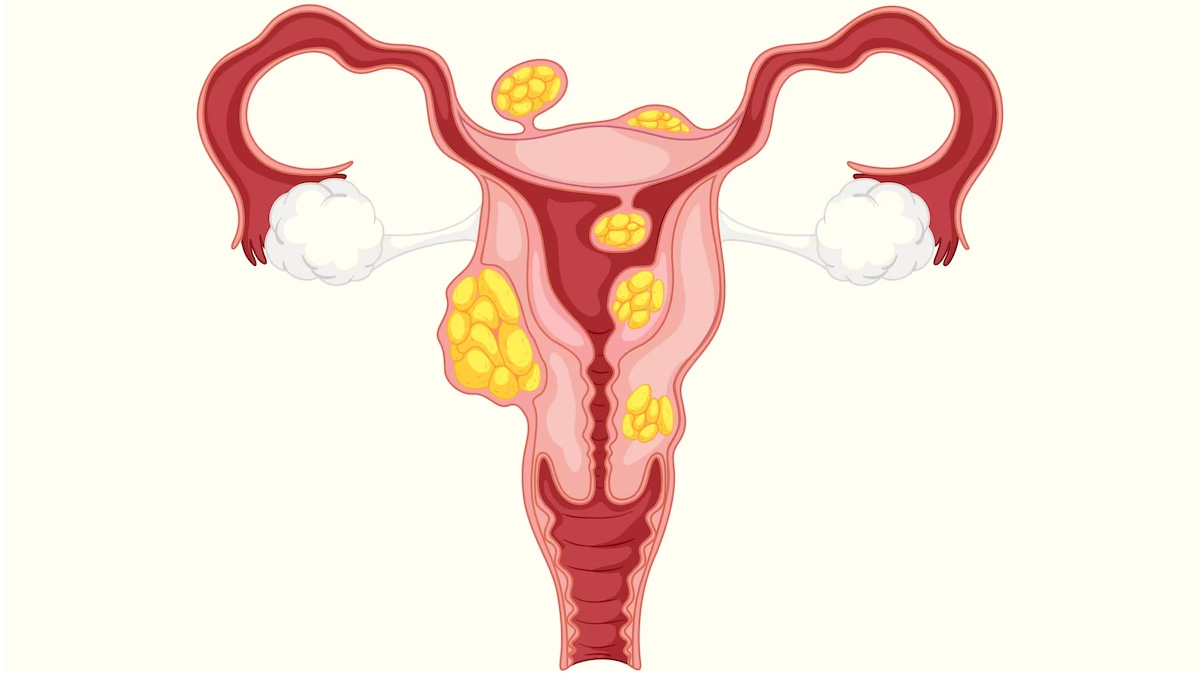
There are different types of ovarian cysts, but functional cysts are the most common. These form during ovulation and typically shrink on their own within a few weeks or months.
A cross-sectional study published in the International Journal of Gynaecology & Obstetrics examined how ovarian cysts affect the health and daily life of adolescent girls. The research included 417 adolescent females, divided into groups based on whether they had ovarian cysts or had undergone surgery for them.
The study found that girls with ovarian cysts, especially larger ones (5 cm or more), reported more discomfort, menstrual issues, and a noticeable impact on their quality of life compared to those without cysts. Researchers also noted that early diagnosis through ultrasound helped in monitoring cyst size and deciding whether treatment or observation was needed.
ALSO READ- Genital Psoriasis: Symptoms, Causes, Diagnosis, and Treatment
Common Symptoms of Ovarian Cysts
Many ovarian cysts do not cause noticeable symptoms. However, when symptoms do appear, they may include:
- Mild pelvic pain or discomfort
- Bloating or a feeling of fullness in the abdomen
- Irregular menstrual cycles
- Pain during ovulation
- Occasional discomfort during intercourse
Symptoms are usually mild and temporary. However, large or ruptured cysts may cause sudden, severe pain and require urgent medical care.
What Is Ovarian Cancer?
Ovarian cancer occurs when abnormal cells in the ovary begin to grow uncontrollably. Unlike ovarian cysts, cancerous growths do not go away on their own and can spread to other parts of the body if left untreated.
Dr Gupta notes, “Ovarian cancer is often called a ‘silent killer’ because its symptoms are subtle and easily mistaken for common digestive or hormonal issues. This is why awareness and early detection are key.”

Ovarian cancer is more common in postmenopausal women, although it can occur at any age. Early detection significantly improves treatment outcomes, but diagnosis can be challenging because symptoms often mimic routine digestive or urinary problems.
According to a recent global analysis released in 2026 by the World Health Organization (WHO) and its cancer research arm, the International Agency for Research on Cancer (IARC), a large proportion of cancer cases worldwide, including ovarian cancer, are linked to preventable risk factors.
The study analysed data from 185 countries and 36 types of cancer and found that about 37% of new cancer cases in 2022 were associated with preventable causes, such as tobacco use, unhealthy diet, obesity, alcohol consumption, and physical inactivity.
Common Symptoms of Ovarian Cancer
Symptoms of ovarian cancer are usually persistent and worsen over time. These may include:
- Persistent bloating
- Pelvic or abdominal pain
- Difficulty eating or feeling full quickly
- Frequent urination
- Unexplained weight loss
- Fatigue or weakness
- Changes in bowel habits
Unlike cyst symptoms, cancer symptoms tend to continue for weeks and gradually become more noticeable.
Key Differences Between Ovarian Cysts and Ovarian Cancer
Although both conditions affect the ovaries, their nature and outcomes differ significantly. Dr Gupta emphasises, “As a clinician, one of my biggest challenges is differentiating between a harmless cyst and something more serious. That’s where proper evaluation becomes critical.”
A 2024 study published in the Journal of Ovarian Research explored how doctors can better differentiate between benign ovarian cysts and ovarian cancer using imaging and blood tests. The researchers evaluated how combining transvaginal ultrasound with the CA-125 blood test helps doctors assess whether an ovarian mass is likely to be harmless or cancerous.
This research highlights that a combination of imaging and blood markers is one of the most reliable ways to distinguish ovarian cysts from ovarian cancer, allowing doctors to plan timely treatment and reduce unnecessary surgeries for benign cysts.
Here are the major differences:
1. Nature
- Ovarian Cysts: Usually benign (non-cancerous)
- Ovarian Cancer: Malignant (cancerous) and potentially life-threatening
2. Occurrence
- Ovarian Cysts: Common in younger women and during reproductive years
- Ovarian Cancer: More common in postmenopausal women
3. Symptoms
- Ovarian Cysts: Often mild or absent
- Ovarian Cancer: Persistent and progressive symptoms
4. Outcome
- Ovarian Cysts: Many resolve naturally
- Ovarian Cancer: Requires urgent treatment
Understanding these differences helps women avoid unnecessary fear while staying alert to serious symptoms.
Diagnosis: How Do Doctors Tell the Difference?
Diagnosing ovarian cysts and ovarian cancer requires careful evaluation. Doctors begin with a detailed medical history and physical examination, followed by imaging tests.
Dr Gupta explains that no single test can confirm ovarian cancer with certainty. Instead, a combination of tests helps doctors reach an accurate diagnosis.
Common Diagnostic Tools
1. Ultrasound
Ultrasound is usually the first test used to examine ovarian abnormalities. It helps doctors determine the size, shape, and structure of a cyst or mass.
2. CA-125 Blood Test
This blood test measures a protein that may be elevated in ovarian cancer. However, it is not definitive because levels can also rise in non-cancerous conditions.
3. CT or MRI Scans
If malignancy is suspected, CT or MRI scans provide detailed images of the ovaries and surrounding organs.
4. Biopsy or Surgery
In cases where cancer is strongly suspected, surgery or biopsy may be required to confirm the diagnosis.
Dr Gupta highlights, “A combination of imaging, blood tests, and clinical judgement guides us toward the right diagnosis.”
Treatment Approaches for Ovarian Cysts and Ovarian Cancer
Treatment depends entirely on the diagnosis. While ovarian cysts often require minimal intervention, ovarian cancer demands aggressive treatment.

Treatment for Ovarian Cysts
Most ovarian cysts do not require immediate treatment. Management options include:
- Observation and Monitoring: Doctors may recommend follow-up ultrasounds to monitor the cyst.
- Hormonal Therapy: Birth control pills may help regulate menstrual cycles and prevent new cysts.
- Minimally Invasive Surgery: If cysts are large, persistent, or causing symptoms, laparoscopic surgery may be required to remove them.
- Treatment for Ovarian Cancer: Ovarian cancer treatment usually involves multiple steps and specialist care.
- Surgery: The primary treatment involves removing the tumour and, in some cases, surrounding tissues.
- Chemotherapy: It is often used after surgery to destroy remaining cancer cells.
- Targeted Therapy: In certain cases, targeted therapy may be used to attack specific cancer cells while minimising damage to healthy tissue.
Dr Gupta explains that ovarian cancer treatment requires a multidisciplinary approach, involving gynaecologists, oncologists, and other specialists.
When Should You See a Doctor?
Many women ignore early symptoms because they seem minor or temporary. However, certain warning signs should never be overlooked.
You should consult a doctor if you experience:
- Persistent bloating lasting more than a few weeks
- Pelvic or abdominal pain that does not improve
- Sudden changes in appetite
- Frequent urination without infection
- Unexplained weight loss
- Severe or sudden pelvic pain
Regular gynaecological check-ups can help detect abnormalities early and improve treatment outcomes.
Preventive Measures and Risk Awareness
While ovarian cysts cannot always be prevented, maintaining regular health checks can help detect them early.
Steps That Support Ovarian Health
- Schedule regular gynaecological examinations
- Report persistent symptoms promptly
- Maintain a healthy weight
- Follow a balanced diet
- Stay physically active
- Understand family medical history
Women with a family history of ovarian cancer should discuss screening options with their healthcare provider.
ALSO READ- Endometriosis After Menopause: Causes, Risks, Symptoms, And Management
Conclusion
Ovarian cysts and ovarian cancer may sound similar, but they are very different conditions with distinct outcomes. Most ovarian cysts are harmless and resolve naturally, while ovarian cancer requires urgent medical attention and long-term treatment. Recognising persistent symptoms and seeking timely medical care can make a significant difference in outcomes. With expert guidance, regular screenings, and awareness, women can take control of their ovarian health and reduce unnecessary anxiety while staying vigilant against serious conditions.
FAQ
1. Are ovarian cysts always dangerous?
No, most ovarian cysts are harmless and resolve on their own without treatment. However, large or persistent cysts may require medical evaluation.2. Can ovarian cysts turn into cancer?
Most ovarian cysts do not become cancerous. However, certain abnormal cysts may require further testing to rule out cancer.3. What is the biggest warning sign of ovarian cancer?
Persistent bloating, pelvic pain, and feeling full quickly are common warning signs that should not be ignored.4. How are ovarian cysts usually detected?
Ovarian cysts are often detected during routine ultrasound scans or investigations for pelvic pain.5. How often should women get ovarian check-ups?
Women should have regular gynaecological check-ups as advised by their doctor, especially if they experience persistent symptoms.
All possible measures have been taken to ensure accuracy, reliability, timeliness and authenticity of the information; however Onlymyhealth.com does not take any liability for the same. Using any information provided by the website is solely at the viewers’ discretion. In case of any medical exigencies/ persistent health issues, we advise you to seek a qualified medical practitioner before putting to use any advice/tips given by our team or any third party in form of answers/comments on the above mentioned website.
How we keep this article up to date:
We work with experts and keep a close eye on the latest in health and wellness. Whenever there is a new research or helpful information, we update our articles with accurate and useful advice.
-
Current Version
Apr 16, 2026 16:34 IST
Modified By : Vivek Kumar Apr 16, 2026 16:34 IST
Modified By : Vivek KumarApr 16, 2026 16:34 IST
Published By : Vivek Kumar
Reviewed By : Dr Shobha Gupta