
To a majority of women, menopause is regarded as the end of reproductive health problems. Our minds tend to think that, when our menstrual cycles come to an end and estrogen concentration declines, such disorders as endometriosis will just become a thing of the past. Though it is factual that this disease is predominant in the childbearing years, it does not necessarily adhere to the guidelines. To a minority of women, pelvic pain or other emerging symptoms may arise long after they have celebrated their last period.
We reached out to Dr Chetna Jain, Senior Obstetrician and Gynaecologist at Cloudnine Group of Hospitals, to guide us through this complicated subject.
What Exactly is Endometriosis After Menopause?
According to the World Health Organization (WHO), Endometriosis affects roughly 10% (190 million) of reproductive-age women and girls globally. It is a disease in which tissue resembling the uterine lining, the endometrium, begins to grow where it does not belong, such as in the ovaries, fallopian tubes or even in the bowels. It is a condition where some of the tissue, like the uterine lining, develops outside of the uterus, e.g. on the ovaries or pelvis.
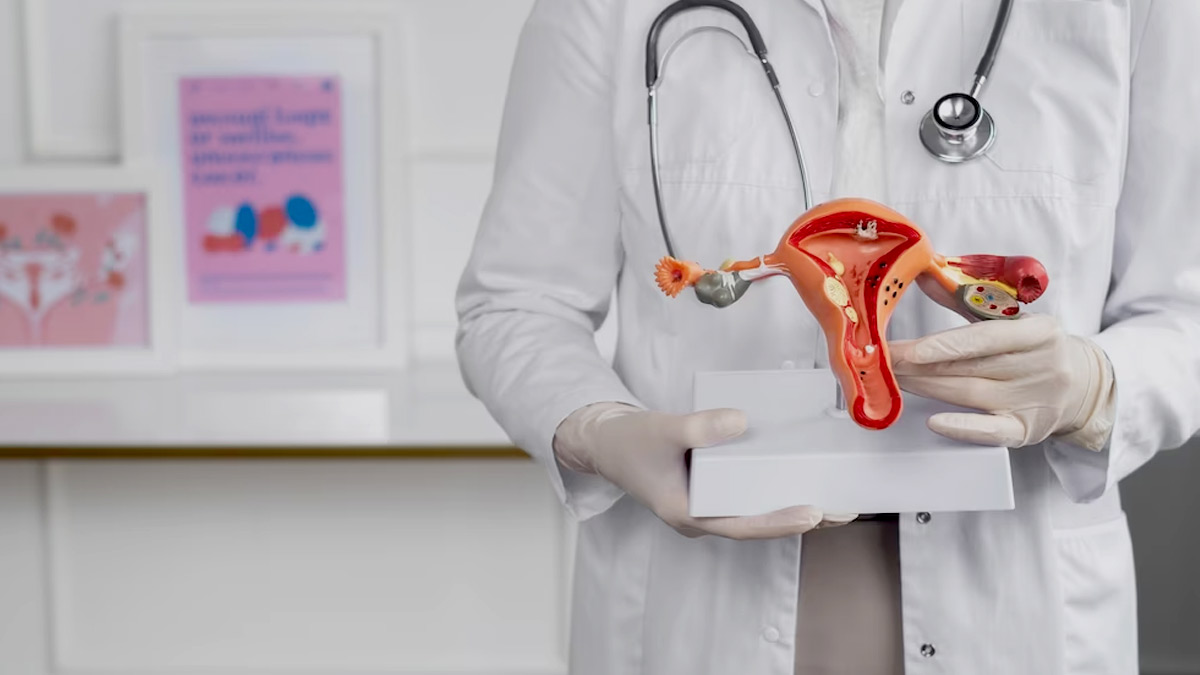
As Dr Chetna Jain explains, “Endometriosis is typically a condition of reproductive age, driven by estrogen. However, in rare cases, it can persist or even present after menopause, especially in women on hormone therapy or with residual disease.”
Essentially, because the condition is fueled by estrogen, the drop in hormones during menopause usually causes the tissue to shrink. But usually it isn't always. If there is still estrogen circulating in the body, or if old lesions remain active, the pain can continue.
ALSO READ- Understanding Dyspnoea: Expert Guide On Its Causes, Symptoms, And Treatment
Why Does It Happen? (Causes and Risk Factors)
You may be asking yourself: how can there be fuel when the ovaries are no longer producing high levels of estrogen? It happens that the body possesses some alternative methods to generate hormones.
Dr Jain explains many factors which can cause or maintain endometriosis even in old age:
- Residual Estrogen Production: Even after the ovaries ‘retire,’ your fat tissues and adrenal glands can still produce small amounts of estrogen.
- Hormone Replacement Therapy (HRT): Many women take HRT to manage hot flashes and bone density. However, this added estrogen can sometimes "wake up" dormant endometriosis.
- Pre-existing Endometriosis: If you had severe endometriosis before menopause, some of those lesions might not fully disappear.
- Obesity: Higher levels of body fat can lead to higher circulating estrogen levels.
- Genetic Predisposition: Your DNA plays a role in how your body handles tissue growth and inflammation.
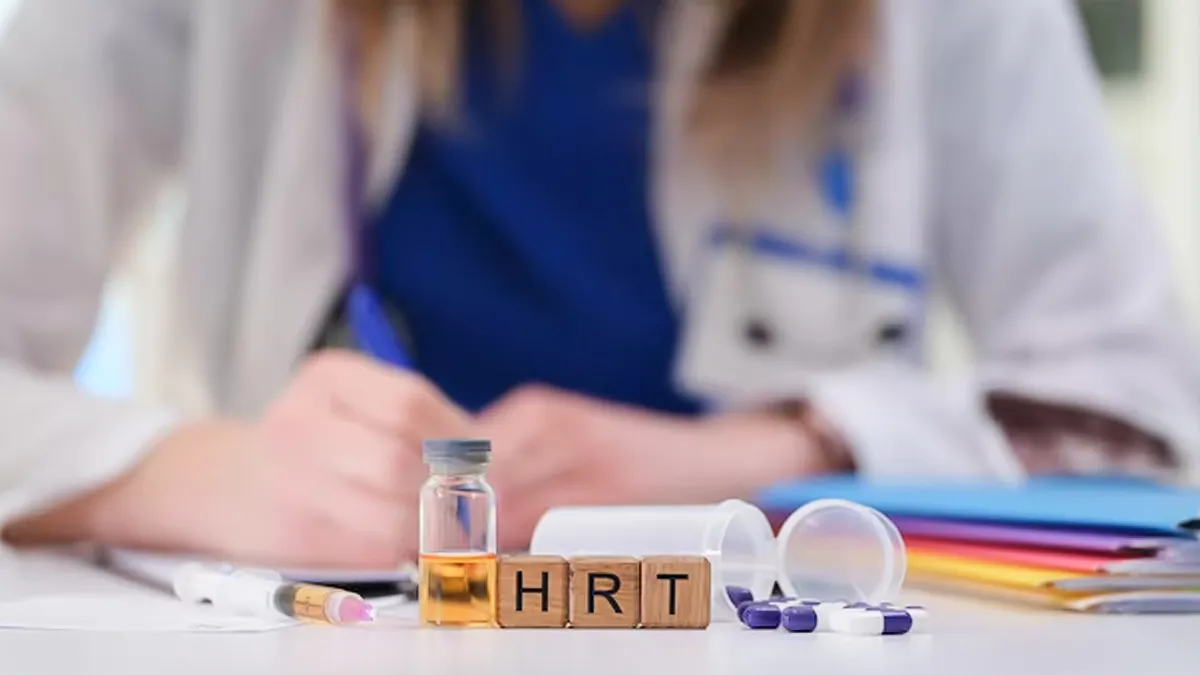
Rare Clinical Presentation of Postmenopausal Endometriosis: A New Perspective, a review from PubMed, found that about 2–5% of postmenopausal women, especially those using hormone therapy, can still develop or maintain active endometriosis lesions.
Researchers explain that some endometriotic tissues are capable of producing their own estrogen locally, which allows them to remain active despite menopause. The study also noted that genetic factors and previous severe endometriosis may increase the chances of persistence or recurrence later in life.
Recognising the Symptoms
The postmenopausal symptoms tend to be subtle. You may confuse them with general ageing pains or digestive problems. But it is important to be mindful of your body.
Dr Jain states that the following are symptoms to watch:
- Chronic Pelvic Pain: This could be a dull ache or sharp and repeated.
- Pain During Intercourse: Internal lesions may make love painful, even without a cycle.
- Bloating/Abdominal Discomfort: It is often considered to be middle-aged spread or something caused by eating, but it may be inflammation.
- Bowel or Urinary Problems: This is bowel pain, urgency or going to the bathroom frequently.
- Postmenopausal Bleeding: Although uncommon in endometriosis, any menopausal bleeding is a cause to be wary.
Dr Jain adds that new pelvic pain or bleeding occurs even after menopause and must not be disregarded.
Potential Complications of Endometriosis After Menopause
It is not a matter of toughing it out and ignoring these symptoms. When not treated, the condition may result in even more severe health problems.
According to Dr Jain, complications may include:
- Chronic Pelvic Pain: This may have a great effect on your daily life and psychological state.
- Adhesions: This is basically scar tissue internally which makes organs (such as the bowel or bladder) stick together.
- Endometriomas: They are chocolate cysts in the ovaries which may enlarge and develop pain or burst.
Malignant Transformation: The risk is not high, but there is a low possibility of the development of endometriosis-related cancers. It is due to the importance of a professional diagnosis.
A 2021 systematic review from MDPI analysed 75 studies involving 90 postmenopausal cases and found that long-standing endometriotic lesions may lead to complications such as adhesions, ovarian cysts (endometriomas). In rare cases, cancerous transformation. The review noted that about 1% of endometriotic lesions may undergo malignant transformation, particularly in women with a history of severe disease or hormone replacement therapy use. These findings highlight the importance of regular monitoring and early treatment to prevent long-term complications and improve outcomes.
Management and Treatment Options
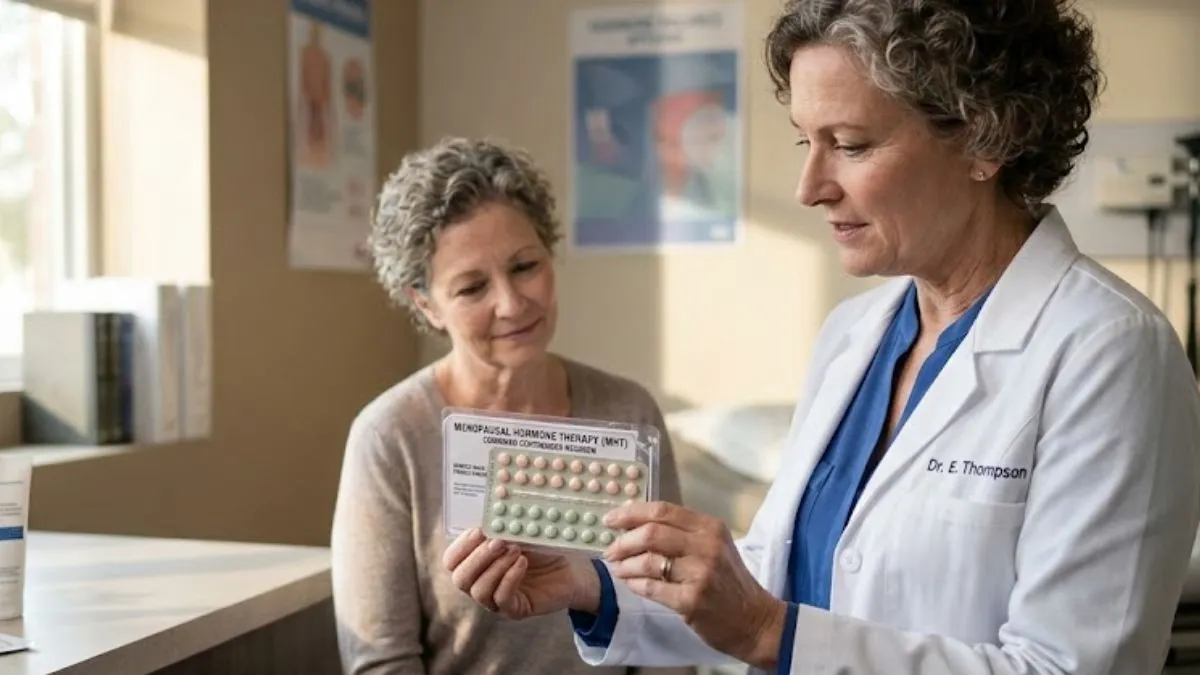
If you receive a diagnosis, don't panic. There are several ways to manage the condition to get your quality of life back. Dr Jain breaks management into three main pillars:
1. Medical Management
For mild cases, doctors may recommend NSAIDs (like ibuprofen) to manage inflammation and pain. If you are on HRT, your doctor might evaluate your dosage or suggest a combined progesterone therapy to counteract the estrogen’s effect on the endometrial tissue.
2. Surgical Management
In some cases, surgery is the best path forward. Laparoscopic surgery allows doctors to remove the offending tissue.
3. Lifestyle Support
You can support your body through everyday choices:
- Weight Management: Reducing excess body fat can lower the amount of "extra" estrogen your body produces.
- Anti-Inflammatory Diet: Focusing on whole foods, leafy greens, and Omega-3s can help reduce the internal "fire" of inflammation.
- Regular Follow-ups: Stay in touch with your gynaecologist to monitor any changes.
Is There a Specific Age When This Stops?
Although the age range between 25 and 40 years is the most prevalent, according to Dr Jain, there is no particular age limit to endometriosis. Cases may and do exist after menopause, especially in those women who have a history of the condition.
Does it ever truly go away?
Yes, in the majority of women, the symptoms decrease as estrogen levels decrease. Menopause minimises the risk, but it is not totally absent. It may last or recur with HRT or, extremely rarely, appear first in your 50s or 60s.
When To See A Doctor?
According to Dr Chetna Jain, any emerging symptoms such as pelvic pain or bleeding must be examined immediately. Nevertheless, you are encouraged to make an appointment in case you observe:
- New Pelvic Pain: any pains or sharp pains beginning a long time after your periods are gone.
- Postmenopausal Bleeding: The slightest spotting or pink discharge is a great alarm.
- Persistent Bloating: That "stuffed" feeling that doesn't go away after a few days.
- Bathroom Alterations: It hurts to urinate or have an urgent and constant need to go.
- Unpleasant Sex: When intimacy is no longer comfortable, especially when it was previously.
ALSO READ- Ovarian Endometrioma (Chocolate Cyst): Causes, Symptoms, Diagnosis, Treatment, Complications
Conclusion
Menopausal endometriosis may be rare, but it is clinically significant. Pelvic pain is simple to ignore as one of the side effects of ageing, but you have the right to live without constant pain.
Dr Jain concludes by saying that any new symptoms, such as pelvic pain or bleeding, must be assessed early, and proper care can be involved to prevent complications and enhance the quality of life.
When something is not right, then this is a good opportunity to make that appointment. Your postmenopausal years are not meant to be full of silent pain but to enjoy the freedom.
FAQ
Does menopause cure endometriosis?
Not always. Although reduced estrogen tends to be of help in most cases, the tissue may remain active or may be re-stimulated by such things as HRT or even some body fats.Will I be able to get it after menopause?
It’s rare, but yes. It may have been silent all these years and has just begun to bother now, or it may be a change in hormones.Is the pain any different now?
Yes. Rather than a monthly cramp, it is often a more persistent dull ache, or sharp pains or even an ache which is more like a digestive problem.Do I need to cease taking Hormone Replacement Therapy (HRT)?
Not necessarily. Your doctor may simply increase or decrease your dosage or include certain hormones to prevent the endometriosis flare-up.Is ageing the cause of pelvic pain?
No. There is no such thing as just ageing that causes chronic pain or new bleeding. To be on the safe side, it is always worth having a quick check-up.
All possible measures have been taken to ensure accuracy, reliability, timeliness and authenticity of the information; however Onlymyhealth.com does not take any liability for the same. Using any information provided by the website is solely at the viewers’ discretion. In case of any medical exigencies/ persistent health issues, we advise you to seek a qualified medical practitioner before putting to use any advice/tips given by our team or any third party in form of answers/comments on the above mentioned website.
How we keep this article up to date:
We work with experts and keep a close eye on the latest in health and wellness. Whenever there is a new research or helpful information, we update our articles with accurate and useful advice.
-
Current Version
Apr 13, 2026 15:27 IST
Modified By : Vivek Kumar Apr 13, 2026 15:27 IST
Modified By : Vivek KumarApr 13, 2026 15:27 IST
Modified By : Vivek KumarApr 13, 2026 15:27 IST
Published By : Vivek Kumar
Reviewed By : Dr Chetna Jain