
When you hear the term ‘chocolate cyst,’ it sounds almost harmless. Maybe even sweet. But for millions of women dealing with pelvic pain, the reality is far from it. Known medically as an Ovarian Endometrioma, these fluid-filled sacs are a specific manifestation of endometriosis. They get their nickname from the dark, reddish-brown blood they contain, which resembles melted chocolate. While they aren't usually cancerous, they can significantly impact your quality of life, menstrual cycle, and fertility. Navigating the world of reproductive health can be overwhelming, especially when you’re dealing with chronic pain that others might dismiss as "just a bad period."
To help us dive deeper into the causes, risks, and modern treatments for this condition, we reached out to Dr MV Jyothsna, Consultant Obstetrician & Gynaecologist at Yashoda Hospitals, Hyderabad, for her expert clinical perspective.
What is a Chocolate Cyst?
To understand an endometrioma, you first have to understand endometriosis. Dr Jyothsna explains that ovarian endometriomas arise from endometriosis. It is where endometrial-like tissue implants on the ovary and cyclically bleeds, forming ‘chocolate’-colored cysts. Patients typically present with chronic pelvic pain, severe dysmenorrhea, dyspareunia, and sometimes infertility.
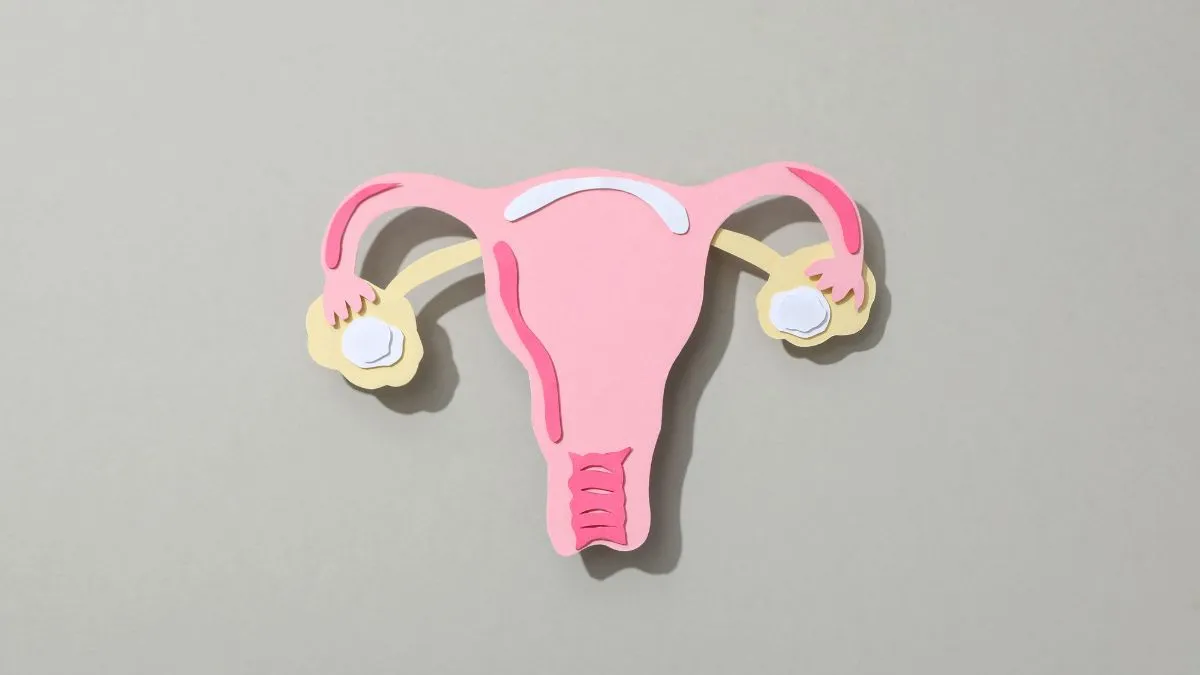
When this tissue attaches to the ovaries, it behaves just like it does inside the womb: it thickens, breaks down, and bleeds every month during your period. However, because this blood has nowhere to go, it becomes trapped. Over time, it forms a cyst. The older the blood gets, the darker and thicker it turns, eventually taking on that signature chocolate-like appearance.
A 2023 study published in StatPearls (via NCBI) confirms that ovarian endometriomas are a hallmark of a more advanced stage of endometriosis (Stage III or IV). It explains that these "chocolate cysts" form because the ectopic endometrial tissue remains hormonally active; it sheds and bleeds during the menstrual cycle, but since the blood is trapped within the ovary, it triggers a chronic inflammatory response.
ALSO READ- What Is Cycle Syncing? Expert Shares Diet And Exercise Tips For Each Menstrual Phase
Chocolate Cyst Common Symptoms
How do you know if your period cramps are "normal" or if there is something more going on? Many women with chocolate cysts suffer in silence for years, thinking their pain is just part of being a woman.
According to Dr Jyothsna, patients typically present with:
- Chronic Pelvic Pain: A dull ache that persists outside of your period.
- Severe Dysmenorrhea: This is the medical term for extremely painful periods that can leave you bedridden.
- Dyspareunia: Pain during or after sexual intercourse.
- Infertility: Difficulty conceiving is often the first sign for many women who otherwise have no symptoms.
The Effect on Your Monthly Cycle
It isn't just about the pain but also about how your cycle functions. Dr Jyothsna notes that these cysts often worsen menstrual symptoms, leading to heavy bleeding, irregular cycles, and severe cramps due to the ongoing inflammation and hormonal interplay.

A 2025 study published in PubMed (NIH) found that while surgical removal of a chocolate cyst is the best way to relieve chronic pain and improve the chances of a natural pregnancy. The surgery itself significantly impacts ovarian reserve. It is the remaining egg supply. Specifically, the research showed a 38% decline in anti-Mullerian hormone (AMH) levels, a key marker of fertility, six months after surgery.
Why Do They Form? Causes and Risk Factors
While the exact "why" is still being studied by scientists, the most common theory is retrograde menstruation. This happens when menstrual blood flows backwards through the fallopian tubes and into the pelvic cavity instead of leaving the body.
Risk factors include:
- Genetics: If your mother or sister had endometriosis, you are at a higher risk.
- Retrograde Flow: As mentioned, the backward flow of menstrual tissue.
- Immune System Issues: A "glitch" where the body fails to recognise and destroy endometrial tissue growing in the wrong place.
- Age: They are most common in women of reproductive age (20s to 40s).
Chocolate Cyst Diagnosis
Getting a diagnosis can sometimes feel like a marathon. Because the symptoms mimic other conditions like IBS or Ovarian Cysts, doctors use a step-by-step approach.
- Pelvic Exam: A manual check to feel for large cysts or irregularities.
- Ultrasound: Often the first line of imaging. Endometriomas have a very specific "ground glass" appearance on an ultrasound.
- MRI: Used if the doctor needs a more detailed view of how deep the endometriosis has spread.
- Laparoscopy: This is the "gold standard." It involves a tiny camera inserted through a small incision in the navel.
As Dr Jyothsna points out, “Diagnosis relies on pelvic examination and imaging such as ultrasound or MRI, with laparoscopy being confirmatory.”
Ovarian Endometrioma Treatment Options
Treatment depends entirely on your age, the size of the cyst, your pain levels, and whether you want to have children in the future.
1. The ‘Wait and See’ Approach
For very small cysts that aren't causing pain, a doctor might suggest regular ultrasounds to monitor any growth.
2. Hormonal Therapy
Birth control pills, patches, or hormonal IUDs can help stop the monthly bleeding into the cyst. This doesn't make the cyst disappear, but it can stop it from getting bigger and reduce the pain.
3. Surgical Intervention
If the cyst is large or causing significant issues, surgery is usually the next step.
“Management is individualised, ranging from observation and hormonal therapy to laparoscopic cyst removal, especially for cysts >4 cm, persistent pain, or fertility concerns,” says Dr Jyothsna.
Potential Complications: Why You Shouldn't Ignore It

If left untreated, chocolate cysts can lead to more serious health issues.
- Infertility: The inflammation can damage the eggs or block the fallopian tubes.
- Adhesions: This is when scar tissue causes organs (like the ovary and the bowel) to stick together.
- Ovarian Torsion: A large cyst can cause the ovary to twist, cutting off its blood supply. This is a major emergency.
- Rupture: Perhaps the most frightening complication.
Can a Chocolate Cyst Burst?
The short answer is yes. Dr Jyothsna warns, “Rupture is possible and presents with sudden severe abdominal pain, fever, or dizziness. This is a medical emergency requiring immediate hospital care, imaging, and sometimes urgent surgery.”
Spontaneous rupture of a chocolate cyst (endometrioma) is a rare but life-threatening gynaecological emergency, occurring in approximately 3% of cases. According to a 2026 case report published in the International Journal of Surgery Case Reports, a rupture can cause the chocolate fluid. It is composed of degraded blood products that spill into the peritoneal cavity, leading to diffuse chemical peritonitis. This event often manifests as sudden, acute abdominal pain and can be identified via ultrasound by an irregular, collapsed cyst wall and free peritoneal fluid.
When Should You Worry About a Chocolate Cyst?
It is easy to get anxious when you feel a twinge of pain. However, there are specific "red flags" to watch out for. According to our expert, you should seek immediate help if you notice:
- A rapid increase in the size of the cyst.
- Severe or persistent pain that doesn't respond to over-the-counter meds.
- Inability to conceive after a year of trying.
- Signs of a rupture (dizziness, fainting, or fever).
The Role of Lifestyle and Natural Remedies
Many people ask if they can "shrink" a chocolate cyst naturally. While there is no "magic tea" or diet that will cure an endometrioma, lifestyle changes can help manage the inflammation.
Dr Jyothsna suggests:
- Anti-inflammatory Diet: Focus on leafy greens, berries, and omega-3 fatty acids.
- Regular Exercise: Helps lower estrogen levels and release endorphins (natural painkillers).
- Stress Reduction: High stress can flare up inflammatory conditions.
- Hormonal Balance: Working with a doctor to keep your hormones in check.
However, she is clear on one point: “There is no definitive ‘natural cure’... Medical therapy remains the cornerstone of treatment.”
Living with Endometrioma
The mental health aspect of chronic pelvic pain is often overlooked. Living with a chocolate cyst means dealing with unpredictable pain and potential fertility worries. It is important to find a support group or a counsellor who understands chronic illness. You aren't "crazy," and your pain isn't "all in your head."
Chocolate Cyst Growth Rate
How fast do they grow? It's different for everyone. “Growth is variable and hormonally driven. Some cysts remain stable, while others enlarge over months to years, particularly in untreated endometriosis,” notes Dr Jyothsna.
ALSO READ- Can Sleep Deprivation Affect Ovulation? Know Here
Conclusion
Early intervention is the best way to protect your fertility and your sanity. If your periods are preventing you from going to work, school, or enjoying your life, that is a signal from your body that something is wrong.
As Dr Jyothsna concludes, “Seek medical advice for persistent pelvic pain, painful periods affecting daily life, difficulty conceiving, or any sudden severe abdominal pain. Early evaluation helps prevent complications and preserves fertility.”
Don't wait for the pain to become unbearable. Reach out to a gynaecologist and start the conversation today. Your health and comfort are worth the effort.
FAQ
1. Can a chocolate cyst turn into cancer?
It is very rare. While over 99% are non-cancerous, a study in StatPearls (NCBI) notes a slight link to specific ovarian cancers. Doctors monitor red flags like rapid growth or solid components during ultrasounds to stay safe.2. Does it always cause infertility?
Not always, but it can make conceiving harder. The chocolate fluid creates inflammation that can lower egg quality. Many women still have healthy pregnancies, sometimes needing medical or surgical help first.3. Can a diet make the cyst disappear?
No. While an anti-inflammatory diet helps manage pain and prevent new growth, it cannot dissolve an existing cyst.4. What does it feel like if it bursts?
It is a medical emergency. It feels like a sudden, knife-like pelvic pain, often with a fever or feeling faint. This happens because the old, acidic blood spills out and irritates your internal organs.5. Is surgery the only option?
No. For cysts under 4–5 cm, doctors often use hormonal medications like Dienogest to "quiet" the cyst.
All possible measures have been taken to ensure accuracy, reliability, timeliness and authenticity of the information; however Onlymyhealth.com does not take any liability for the same. Using any information provided by the website is solely at the viewers’ discretion. In case of any medical exigencies/ persistent health issues, we advise you to seek a qualified medical practitioner before putting to use any advice/tips given by our team or any third party in form of answers/comments on the above mentioned website.
How we keep this article up to date:
We work with experts and keep a close eye on the latest in health and wellness. Whenever there is a new research or helpful information, we update our articles with accurate and useful advice.
-
Current Version
Apr 07, 2026 18:46 IST
Modified By : Vivek Kumar Apr 07, 2026 18:46 IST
Modified By : Vivek KumarApr 07, 2026 18:46 IST
Published By : Vivek Kumar
Reviewed By : Dr M V Jyothsna