
Polycystic Ovary Syndrome (PCOS) is a hormonal condition that is extremely common in women of reproductive age. One of the negatives of PCOS is that it may lead to infertility. However, there are certain treatments available to help women overcome PCOS-led infertility. One such treatment is Laparoscopic Ovarian Drilling (LOD). This article will explain all about it.
To get a better understanding of this, the editorial team of OnlyMyHealth reached out to Dr Chetna Jain, Director Department of Obstetrics and Gynaecology, Cloudnine Group of Hospitals, Sector 14, Gurgaon. Keep reading.
What Is Laparoscopic Ovarian Drilling?
Before we start, let us understand what this surgery actually is. “Laparoscopic Ovarian Drilling (LOD) is a minimally invasive procedure, sometimes used in women with PCOS, particularly those facing difficulty in ovulation and infertility,” says Dr Jain.
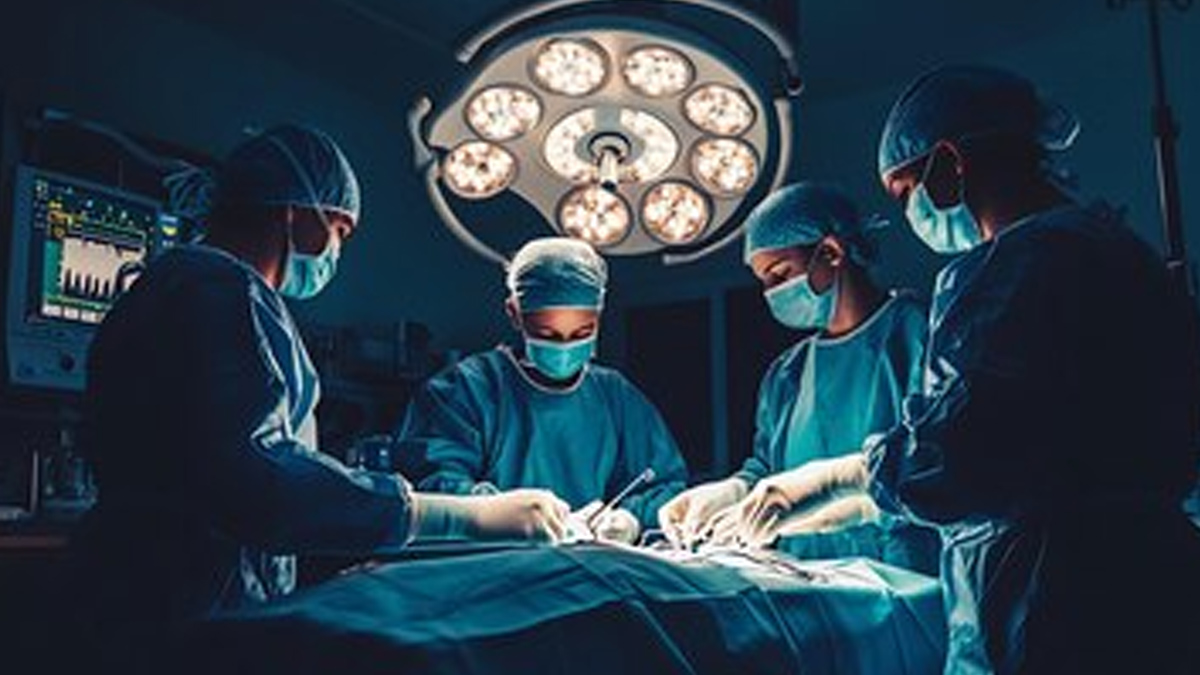
Shedding more light on its procedure, the expert shares: “LOD is performed using laparoscopy (keyhole surgery). Through small incisions in the abdomen, a surgeon uses a fine instrument to make tiny punctures in the outer surface of the ovaries. These punctures use heat or laser energy to destroy a small portion of ovarian tissue that produces excess androgens (male hormones). The goal is to restore hormonal balance and improve ovulation.”
 lod 1
lod 1
Can LOD Treat Infertility Caused By PCOS?
Dr Jain says, “LOD can be an effective option for a specific group of women with PCOS — particularly those with infertility, who have not responded to medications. However, it is not a routine or first-line treatment and must be carefully selected based on individual needs.”
As per a 2018 study, published in the ‘Internal Journal of Surgery’, researchers examined that Laparoscopic Ovarian Drilling is immensely successful at restoring normal function to the ovaries. It noted that the procedure offers an effective way to improve fertility for PCOS patients, when initial drug treatments fail.
According to a 2025 study, published in the ‘F&S Science Journal’, the Laparoscopic Ovarian Drilling procedure is far more successful at getting the ovaries to respond and develop eggs, when compared to hormonal injections. The findings further noted that women who underwent the surgery had significantly higher and successful pregnancy rates, with many even conceiving naturally shortly after the surgery.
ALSO READ - Is Birth Control The Best Treatment For PCOS? Doctors Explain
Who Should Opt For LOD Surgery?
Dr Jain mentions that LOD is not the first line of treatment for PCOS. If you are wondering who should opt for it, the expert adds that it is usually considered in women who:
- Have not responded to ovulation induction medications (like clomiphene).
- Have infertility due to anovulation.
- Prefer a one-time procedure over long-term medication in select cases.
 lod 2
lod 2
A 2019 study, published in the ‘Journal of Human Reproductive Sciences’, stated that many women, following the procedure, experienced regular cycles and a noticeable reduction in acne and excess body hair. The findings noted that this surgery significantly improved women's ability to release eggs normally, boosting their chances of successful pregnancy.
What To Expect During LOD Surgery
According to the National Health Service (NHS), here is a breakdown of the LOD surgery, and what to expect before and during the procedure:
Before the surgery
- After your first consultation with a doctor, it will be tested if you are fit for the laparoscopy.
- Avoid unprotected sex during the month of your laparoscopy.
- If you are pregnant, the operation will not be carried out.
- If your period and surgery dates clash, contact your doctor. They may prescribe hormone tablets, which need to be taken a week before your expected period. This will delay your period until after the surgery.
During the surgery
- You will be given an anaesthetic to keep you asleep during the surgery.
- After this, a small instrument will be inserted into your uterus, through your vagina.
- Then a small cut will be made right below your belly button for the laparoscope to be inserted into your abdominal cavity.
- Additional small cuts may be required for use of other instruments during the procedure.
- Four to six holes will be drilled in each ovary using an electric current. The goal is to destroy the tissue which is producing androgens (hormones).
- The wounds will be closed using dissolvable stitches.
- The surgery will take about 30 minutes.
 lod 3
lod 3
Benefits Of LOD In PCOS
Dr Jain shares the benefits of laparoscopic ovarian drilling in PCOS.
Improved Ovulation
By reducing androgen levels, LOD can help restore regular ovulation in many women.
Better Chances of Natural Conception
Some women are able to conceive naturally after the procedure without requiring further medication.
Reduced Dependence on Hormonal Drugs
It may reduce or eliminate the need for repeated cycles of ovulation induction medications.
Lower Risk of Multiple Pregnancy
Compared to fertility medications, LOD has a lower risk of multiple pregnancies (twins/triplets).
Long-lasting Effect (in some cases)
The benefits may last for months or even years in certain patients.
Now that we know how beneficial the surgery is, let us understand what is the success rate of LOD surgery. According to a 2015 study, published in the ‘Journal of Clinical & Diagnostic Research’, the ovulation rate after LOD surgery differs between 70-80%, and the conception rate between 37-48%.
Risks Of LOD In PCOS
Now let us talk about the risks of PCOS. Dr Jain lists them for us:
Surgical Risks
As with any surgery, there are risks of infection, bleeding, or reaction to anaesthesia, though these are generally low.
Adhesion Formation
Scar tissue (adhesions) may form around the ovaries or fallopian tubes, which can sometimes affect fertility.
Reduced Ovarian Reserve (Rare)
Excessive drilling can damage healthy ovarian tissue, potentially impacting egg reserve, if not done carefully.
One common question which is often asked is: is LOD surgery suitable for everyone? Dr Jain shares that some women may not respond to LOD and may still require fertility treatments.
 lod 4
lod 4
Recovery After LOD: What To Expect
According to the NHS, here is what you can expect after the LOD surgery:
- You may have a sore throat or nausea because of the anaesthetic (doctors may prescribe pain relief for this).
- You will be able to take a bath the day after the surgery.
- Sexual activity can be resumed depending on your comfort level.
- The stitches will dissolve on their own, but can be removed under medical professional’s guidance, if they irritate you.
When To See A Doctor
Laparoscopic Ovarian Drilling should be considered by women who are facing fertility problems associated with PCOS. This surgery is recommended by doctors when PCOS patients are not responding to medicine to treat infertility. During these scenarios, one must visit a medical professional and get the right tests, diagnosis, and treatment done.
ALSO READ - PCOS And Hormone Therapy: Does It Actually Work?
Conclusion
Laparoscopic Ovarian Drilling is a targeted surgical option that can help restore ovulation in certain PCOS patients, but it should be considered only after medical treatments have been tried and under expert guidance.
FAQ
Can laparoscopic surgery help PCOS?
Yes, laparoscopic ovarian drilling (LOD) is an effective second-line treatment for PCOS, particularly for inducing ovulation in women who do not respond to medications.What are the disadvantages of laparoscopic ovarian drilling?
There are risks of bleeding, anesthesia, and infection in laparoscopic ovarian drilling, as with all surgical procedures.Can PCOS come back after ovarian drilling?
The benefits of ovarian drilling can be long-lasting in some cases, with some studies indicating effects lasting for months or even years.
All possible measures have been taken to ensure accuracy, reliability, timeliness and authenticity of the information; however Onlymyhealth.com does not take any liability for the same. Using any information provided by the website is solely at the viewers’ discretion. In case of any medical exigencies/ persistent health issues, we advise you to seek a qualified medical practitioner before putting to use any advice/tips given by our team or any third party in form of answers/comments on the above mentioned website.
How we keep this article up to date:
We work with experts and keep a close eye on the latest in health and wellness. Whenever there is a new research or helpful information, we update our articles with accurate and useful advice.
-
Current Version
Apr 07, 2026 17:21 IST
Modified By : Shruti Das Apr 07, 2026 17:21 IST
Modified By : Shruti DasApr 07, 2026 17:21 IST
Published By : Shruti Das
Reviewed By : Dr Chetna Jain