
Ovarian cystectomy is a fertility-preserving surgical procedure used to remove ovarian cysts while keeping the healthy ovary intact. It is often recommended that an ovarian cyst be evaluated if it becomes large, painful, persistent, or suspicious, especially if it may affect ovarian function or cause complications such as rupture or ovarian torsion.
While many ovarian cysts resolve on their own, some require surgery to relieve symptoms and prevent damage to the ovary. Ovarian cystectomy can help reduce pelvic pain, preserve fertility, and lower the risk of complications, making it an important treatment option for women with problematic ovarian cysts.
According to our expert, Dr Shah, early detection and treatment are crucial for protecting reproductive health. When problems are found and treated quickly, women have a better chance of getting the best results to protect reproductive health and ensure the best possible outcome.
What Is Ovarian Cystectomy?
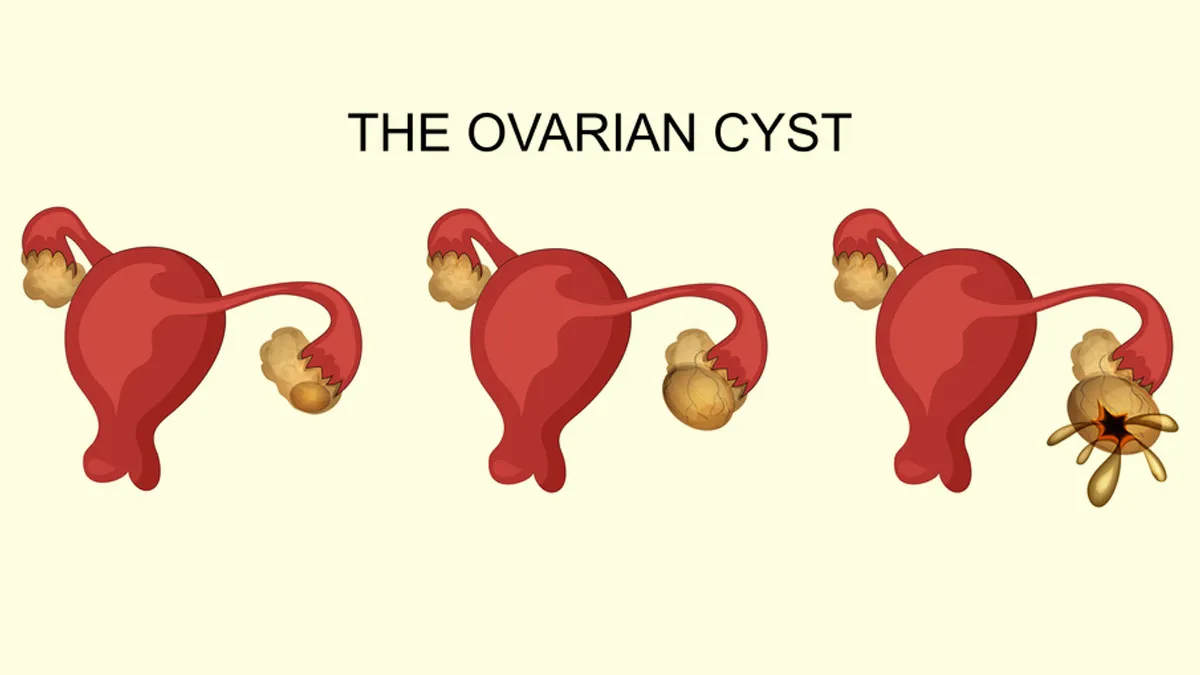
The Cleveland Clinic defines ovarian cystectomy as a surgical procedure to remove a cyst from the ovary without removing the ovary itself. Ovarian cysts are fluid-filled sacs that can form on or inside the ovaries. Many are harmless and disappear naturally, but some may continue growing, cause symptoms, or become medically concerning. The main goal of ovarian cystectomy is to:
- Remove the cyst
- Preserve ovarian tissue
- Relieve symptoms
- Maintain hormonal function
- Protect fertility
Ovarian cystectomy is different from an oophorectomy, which takes out the whole ovary. This procedure aims to treat the cyst and keep as much of the healthy ovary as possible. This surgery is often done using a minimally invasive method, where small cuts are made in the body, but sometimes a bigger cut is needed to get the job done.
Who May Need an Ovarian Cystectomy?
According to a 2023 review published by the National Health Service (NHS), most ovarian cysts don't need surgery. Doctors may recommend ovarian cystectomy when a cyst causes symptoms, continues to grow, or has features that need further evaluation. You may need ovarian cystectomy if:
- The cyst is large
- The cyst causes pelvic pain or pressure
- The cyst persists after observation
- Imaging shows complex features
- The cyst causes bloating
- There is concern for torsion
- The cyst has ruptured
- Fertility preservation is a priority
According to Dr Shah, surgery is generally recommended when the cyst is unlikely to resolve naturally or when the risks of complications outweigh the benefits of continued monitoring.
ALSO READ- Ovarian Cyst vs Ovarian Cancer: Key Differences, Symptoms, Diagnosis, And Treatment Explained
 1
What Conditions Does Ovarian Cystectomy Treat?
Ovarian cystectomy is used to treat benign ovarian cysts that cause symptoms or complications. It may be used for:
- Persistent functional cysts
- Dermoid cysts
- Endometriomas
- Cystadenomas
- Large benign ovarian cysts
- Cysts causing pain or pressure
- Cysts that may affect fertility
Removing these cysts can help prevent complications such as:
- Rupture
- Ovarian torsion
- Chronic pelvic pain
- Damage to ovarian tissue
How Is an Ovarian Cystectomy Performed?
The procedure depends on the size, type, and location of the cyst, as well as the patient’s symptoms and fertility goals.
Laparoscopic Ovarian Cystectomy
This is the most common method and is considered minimally invasive surgery. During laparoscopic ovarian cystectomy:
- General anaesthesia is given
- Small incisions are made in the abdomen
- A laparoscope (thin camera) is inserted,
- Surgical instruments are used to remove the cyst,
- The ovary is preserved whenever possible.
“The surgery can take anywhere from 1 to 2 hours, and this really depends on how complicated the cyst is. Sometimes it's straightforward, but other times it can be more involved, which means it takes a bit longer,” Dr Shah explains.
He adds that laparoscopic ovarian cystectomy usually results in smaller scars, less pain, and quicker recovery compared to open surgery.
Open Ovarian Cystectomy (Laparotomy)
Open surgery may be required if:
- The cyst is very large
- The cyst appears complex
- There is concern for malignancy
- Better surgical access is needed
In this approach, the surgeon makes a larger abdominal incision to remove the cyst safely. After a cyst is taken out, it's often sent to a lab to check if it's harmless or not. This is done to make sure everything is okay.
What Happens After Ovarian Cystectomy?
After surgery, the patient is monitored until the anaesthesia wears off and vital signs are stable.
These symptoms usually improve within a few days. Common temporary symptoms after surgery include:
- Mild abdominal pain
- Bloating
- Fatigue
- Nausea
- Shoulder pain after laparoscopy
- Light vaginal spotting
“Most women who have laparoscopic surgery to remove an ovarian cyst can go home on the same day. But if they have open surgery, they usually need to stay in the hospital for a few days, typically between 1 and 3 days,” Dr Shah highlights.
ALSO READ- Did You Know? Hormonal Imbalance Could Be Causing Your Ovarian Cysts
 2
Benefits of Ovarian Cystectomy
A 2024 review published in the Cureus Journal of Medical Science, ovarian cystectomy offers several benefits, particularly for women who wish to preserve fertility. Some known benefits include:
- Relief from pelvic pain
- Removal of problematic cysts
- Preservation of ovarian function
- Protection of fertility
- Reduced risk of ovarian torsion
- Prevention of rupture
- Preservation of hormone production
What Are the Risks of Ovarian Cystectomy?
Having an ovarian cystectomy is a surgical procedure, and like any surgery, it comes with some risks, but serious complications don't happen very often. According to Dr Shah, possible risks include:
- Bleeding
- Infection
- Injury to the ovary
- Scar tissue formation
- Damage to nearby organs
- Anesthesia complications
- Recurrence of cysts
- Rare need to remove the ovary
“Scar tissue, also called adhesions, may occasionally form after surgery and in some cases affect surrounding pelvic organs or fertility,” Dr Shah notes.
Recovery After Ovarian Cystectomy
Recovery depends on whether the procedure was laparoscopic or open. Recovery after laparoscopic surgery for most women takes 1 to 2 weeks, and after open surgery, it may take 4 to 6 weeks.
During recovery, patients are usually advised to:
- Rest for several days
- Avoid strenuous activity
- Avoid heavy lifting
- Take prescribed medications
- Keep incisions clean
- Attend follow-up visits
However, some symptoms may indicate infection or another complication. Call your doctor if you experience:
- Fever
- Severe pain
- Heavy bleeding
- Redness or swelling at the incision
- Vomiting
- Difficulty urinating
 3
When Should You Talk to a Doctor?
Seek immediate help from a healthcare provider if you have:
- Persistent pelvic pain
- Bloating
- Irregular periods
- Sudden severe pelvic pain
- An ovarian cyst that is increasing in size
Bottomline
Ovarian cystectomy is a minimally invasive, fertility-preserving surgery that removes ovarian cysts while protecting healthy ovarian tissue. It is often recommended for cysts that are painful, persistent, large, or suspicious.
According to experts, timely diagnosis and appropriate treatment can relieve symptoms, preserve ovarian function, and reduce the risk of complications such as torsion or rupture. With modern minimally invasive techniques, many women recover quickly and return to normal activities within a short time.
FAQ
1. Is ovarian cystectomy a major surgery?
Ovarian cystectomy is a surgical procedure, but when performed laparoscopically, it is minimally invasive and usually involves faster recovery and less pain than open surgery.2. How long does ovarian cystectomy surgery take?
The operation can take anywhere from 1 to 2 hours, and it depends on how big the cyst is and how complicated it is to remove.3. Can ovarian cystectomy affect fertility?
The procedure is designed to preserve fertility by removing the cyst while protecting healthy ovarian tissue.4. How long does recovery take after ovarian cystectomy?
Recovery usually takes 1 to 2 weeks after laparoscopic surgery and 4 to 6 weeks after open surgery.5. Can ovarian cysts come back after surgery?
Yes, cysts can recur after surgery, depending on the type of cyst and underlying hormonal or medical conditions.
All possible measures have been taken to ensure accuracy, reliability, timeliness and authenticity of the information; however Onlymyhealth.com does not take any liability for the same. Using any information provided by the website is solely at the viewers’ discretion. In case of any medical exigencies/ persistent health issues, we advise you to seek a qualified medical practitioner before putting to use any advice/tips given by our team or any third party in form of answers/comments on the above mentioned website.
How we keep this article up to date:
We work with experts and keep a close eye on the latest in health and wellness. Whenever there is a new research or helpful information, we update our articles with accurate and useful advice.
-
Current Version
Apr 23, 2026 18:45 IST
Modified By : Tanya Srivastava Apr 23, 2026 18:45 IST
Modified By : Tanya SrivastavaApr 23, 2026 18:45 IST
Published By : Tanya Srivastava
Reviewed By : Dr Sehal Shah