
For women, having a baby is a natural next step, but for about one in ten women, endometriosis gets in the way. Endometriosis is a condition that can be very painful, and it can make it hard for women to get pregnant. A lot of women suffer for years before they find out what is wrong with them.
Understanding what endometriosis is and how it affects fertility is the first step to taking control of your body. To learn more about endometriosis, we talked to Dr MV Jyothsna, Consultant Obstetrician & Gynaecologist at Yashoda Hospitals, Hyderabad.
What is Endometriosis?
As per Dr MV Jyothsna, endometriosis is when tissue that is like the lining of the uterus grows in parts of the body like the ovaries or the fallopian tubes. This tissue gets trapped. It can cause a lot of pain and inflammation.
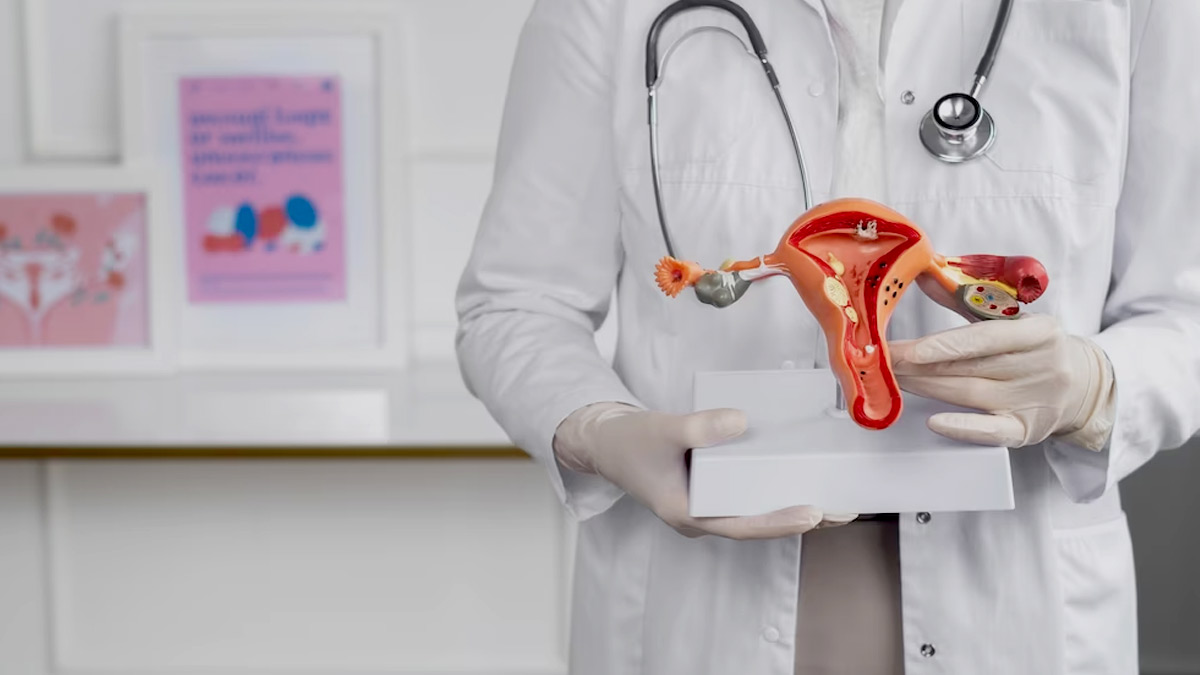
In women with endometriosis, tissue that looks and acts very much like the uterine lining starts growing in places it doesn't belong, like on the ovaries, the fallopian tubes, or the tissues lining your pelvis. The problem? This "misplaced" tissue has no way to leave your body when it sheds. It becomes trapped, leading to inflammation, internal scarring, and often, intense pain.
ALSO READ- Endometriosis After Menopause: Causes, Risks, Symptoms, And Management
The Hidden Link of Endometriosis and Conception
Many women only discover they have endometriosis when they struggle to get pregnant. It’s a frustrating realisation, but there are specific biological reasons why this happens.
As Dr MV Jyothsna explains, "Endometriosis contributes to infertility through multiple mechanisms. Chronic pelvic inflammation, oxidative stress, and hormonal dysregulation can impair ovulation, fertilisation, and implantation. Structural distortion of pelvic anatomy and altered immune responses may further disrupt egg transport and endometrial receptivity."

In simpler terms, the condition creates a hostile environment.
The inflammation can act like a chemical barrier, making it harder for the sperm and egg to meet. In more advanced cases, scar tissue (adhesions) can physically block the fallopian tubes or pull the ovaries out of their natural position, making it nearly impossible for the egg to travel where it needs to go.
On the other hand, a study of over four million women in England has provided a significant boost of hope for those navigating this condition. The research discovered that women with endometriosis-associated infertility actually had a four times higher chance of conception compared to women facing infertility from other causes, such as tubal issues or ovulatory dysfunction.
The Four Stages: Does Severity Matter?
Doctors typically categorise the disease into four stages: I-Minimal, II-Mild, III-Moderate, and IV-Severe. You might think only Stage IV causes infertility, but that is not necessarily the case.
"Infertility risk increases with disease severity, particularly in moderate to severe (Stage III–IV) endometriosis," says Dr Jyothsna. However, even minimal or mild disease (Stage I–II) can affect fertility due to subtle inflammatory and biochemical changes.
This means that even if a doctor tells you your endo is mild, it could still be the reason you aren't conceiving. The microscopic inflammation in the pelvic fluid can affect the quality of the egg or the way the embryo tries to settle in the uterus.
A 2025 study published in Frontiers in Endocrinology explains that we should not just look at "stages" (I to IV) as a measure of how hard it is to get pregnant. While Stage III and IV involve physical blockages like scarred tubes or large cysts, this study highlights that Stages I and II (Minimal/Mild) are just as problematic because of something called "Unbalanced Redox State" (Oxidative Stress).
Impact on Egg Quality and Ovarian Reserve
A major concern for women with this condition is the health of their "ovarian reserve", the number of eggs they have left. Because endometriosis often involves the ovaries (sometimes forming "chocolate cysts" or endometriomas), it can put the eggs under stress.
According to Dr Jyothsna, "Current evidence suggests that endometriosis may reduce ovarian reserve, reflected by lower AMH (Anti-Müllerian Hormone) levels and fewer oocytes retrieved."
-1768995156595.webp)
However, there is a silver lining. While the quantity of eggs might be lower, the quality may still be good enough for a successful pregnancy.
Dr Jyothsna adds, "While some studies indicate compromised oocyte quality due to oxidative stress, this does not consistently translate into poorer IVF outcomes, as embryo development and live birth rates may remain comparable."
A 2022 study published in Human Reproduction Open analysed over 13,000 IVF cycles. Researchers compared women using their own eggs against those using donor eggs. They discovered that the birth rates were nearly identical between the two groups.
It suggested that while endometriosis might make it harder to get to the egg or may reduce the total number of eggs you have (your ovarian reserve), it doesn’t necessarily "poison" or ruin the quality of the eggs themselves.
If a doctor can successfully retrieve an egg, its chances of becoming a healthy baby are just as high as anyone else's. It shifts the focus away from the fear of "bad eggs" and proves that the quality of your eggs often remains strong despite the condition.
When Should You See a Doctor?
If you are having symptoms like periods or pelvic pain, you should see a doctor. If you have been trying to get pregnant for six months to a year and it is not working, you should see a doctor. If your periods are so painful that you are missing work or school, or if you have known endometriosis and have been trying to conceive for six months without success, it is time to seek help.
Dr Jyothsna emphasises that timing is everything: "Women should consult a specialist if they experience persistent pelvic pain, painful periods, pain during intercourse, or have been unable to conceive after 6–12 months of trying. Early diagnosis can significantly improve management outcomes."
Age and Endometriosis
In the world of fertility, age is always a factor. For women with endometriosis, the biological clock might tick a little louder. As we age, egg quality naturally declines; when you combine that with the inflammatory effects of the disease, the window for conception can narrow.
"Age remains a critical determinant," warns Dr Jyothsna. "Women above 35 years with endometriosis may experience a compounded decline in ovarian reserve and fertility potential, making early evaluation essential."
Diagnosis and Treatment Paths
If you suspect you have endometriosis, your doctor will likely use a mix of physical exams and technology. Dr Jyothsna notes, "Diagnosis involves imaging such as ultrasound or MRI, and sometimes laparoscopy. Treatment is individualised, ranging from pain management and hormonal therapy to surgical removal of lesions."

If pregnancy is the goal, the approach is very specific:
- Laparoscopic Surgery: Removing the growths can restore the natural "map" of the pelvis and reduce inflammation.
- Assisted Reproduction (IVF): This is often the most successful route. By combining the egg and sperm in a lab, you "bypass" the hostile environment of the pelvic cavity.
As the doctor notes, "Assisted reproductive techniques like IVF are often effective, especially when natural conception is challenging."
Can You Reduce the Risk?
While we can't always prevent endometriosis, since genetics play a big role, we can manage how it progresses. "While prevention is not always possible, early diagnosis, maintaining a healthy lifestyle, managing inflammation, and timely treatment can help reduce disease progression and preserve fertility," suggests Dr Jyothsna. Eating a perfect diet, exercising regularly and managing stress can help reduce the symptoms of endometriosis.
ALSO READ- Ovarian Endometrioma (Chocolate Cyst): Causes, Symptoms, Diagnosis, Treatment, Complications
Conclusion
Endometriosis isn't just a physical condition; it’s an emotional hurdle. Dealing with chronic pain while trying to conceive is draining. That is why a multidisciplinary approach involving gynaecologists, fertility specialists, and even nutritionists is so important.
As Dr Jyothsna concludes, "Endometriosis is a complex, chronic condition. A multidisciplinary and timely approach is crucial to optimise fertility outcomes while minimising long-term reproductive impact." By acting early and seeking expert guidance, women can navigate this challenge and move closer to their goal of motherhood.
FAQ
1. Can I still get pregnant naturally if I have endometriosis?
Yes, many women with endometriosis get pregnant naturally. It is best to see a doctor if you have not conceived within 6 to 12 months.2. Does the stage of my endometriosis determine my fertility?
Not necessarily. Mild endometriosis can cause fertility problems.3. Does surgery for endometriosis increase my chances of having a baby?
It can. It depends on the individual. Some studies suggest that moving directly to IVF may be more effective.4. Will having a baby cure my endometriosis?
No. pregnancy hormones can temporarily suppress the symptoms. It is not a permanent cure.5. What is the important factor for a successful pregnancy with endometriosis?
Early diagnosis and acting quickly allow you to protect your reserve and choose the best medical path before the condition progresses.
All possible measures have been taken to ensure accuracy, reliability, timeliness and authenticity of the information; however Onlymyhealth.com does not take any liability for the same. Using any information provided by the website is solely at the viewers’ discretion. In case of any medical exigencies/ persistent health issues, we advise you to seek a qualified medical practitioner before putting to use any advice/tips given by our team or any third party in form of answers/comments on the above mentioned website.
How we keep this article up to date:
We work with experts and keep a close eye on the latest in health and wellness. Whenever there is a new research or helpful information, we update our articles with accurate and useful advice.
-
Current Version
Apr 13, 2026 18:30 IST
Modified By : Vivek Kumar Apr 13, 2026 18:30 IST
Modified By : Vivek KumarApr 13, 2026 18:30 IST
Published By : Vivek Kumar
Reviewed By : Dr M V Jyothsna