
The human heart is similar to a pump that maintains the circulation of oxygenated blood in the body. But sometimes, due to structural problems, blood may flow in the wrong direction inside the heart. This is referred to as a cardiac shunt. There are mild shunts that might not produce any symptoms.
Others may cause shortness of breath, fatigue and low oxygen levels. Understanding how the cardiac shunts influence the blood flow, which symptoms should be observed, and when to obtain treatment can assist in avoiding the complications in the long term and preserving the heart.
What Is a Cardiac Shunt?
A cardiac shunt is a defective interconnection that permits blood to flow between the left and right sides of the heart. According to Dr Deebanshu Gupta, Cardiologist, Sarvodaya Hospital, Jalandhar, it is an abnormal condition that lets blood move between the heart's left and right sides. Blood that is rich in oxygen and blood that is poor in oxygen usually stay apart. A shunt throws this balance off, making it harder for oxygen to get to the body.”
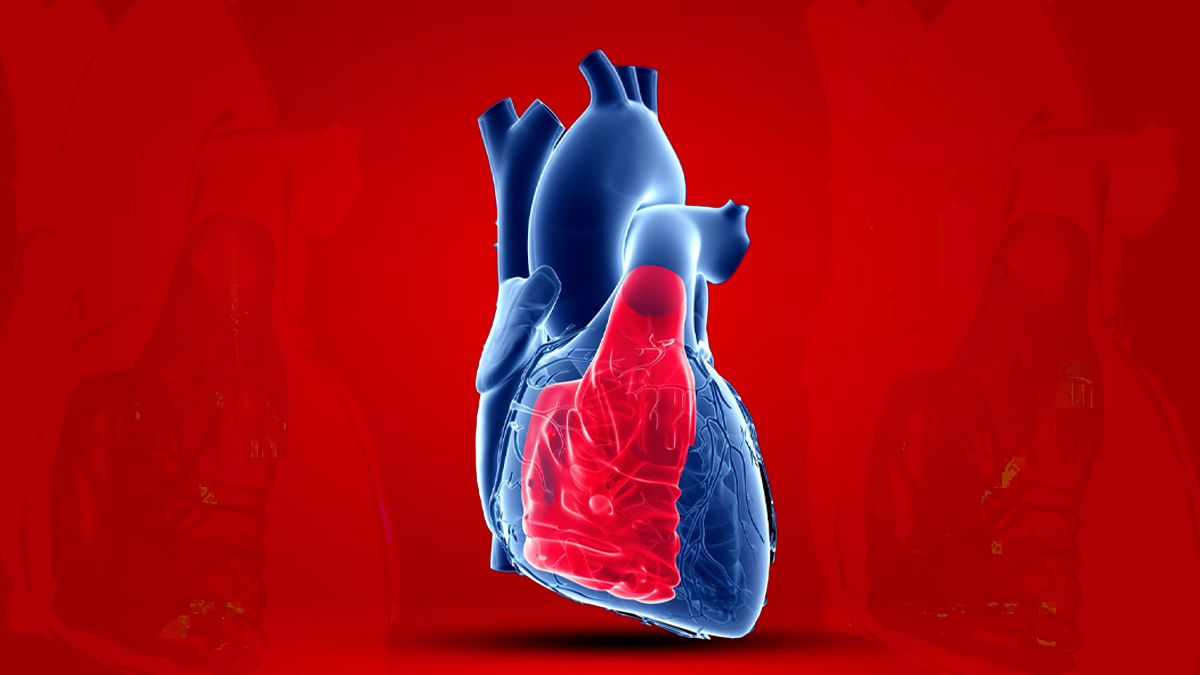
In a healthy heart:
- Oxygen-rich blood stays on the left side
- Oxygen-poor blood stays on the right side
- Both types of blood remain separate
In a cardiac shunt, this separation breaks down. As a result, oxygen levels in the body may decrease.
A review study from PubMed explains that cardiac shunts are often caused by holes in the heart walls, such as septal defects, which allow blood to move in the wrong direction between heart chambers. The study notes that modern imaging tests like CT scans help doctors clearly see these defects and understand how blood is flowing through the heart.
ALSO READ- How Smoking Damages Your Heart
How Blood Normally Flows Through the Heart
To learn about cardiac shunts, one must have an idea of how the heart normally functions. The blood passes through the heart in a fixed course:
- Deoxygenated blood flows to the right side of the heart.
- It goes to the lungs to scavenge oxygen.
- The blood with oxygen comes back to the left side.
- The heart forces the oxygenated blood to the body.
- This process maintains organs with oxygen.
- When there is a shunt, blood can flow in an undesired path. This interferes with normal circulation.

A study from StatPearls explains that normal circulation follows a fixed path through the heart and lungs. Oxygen-poor blood from the body enters the right side of the heart, then moves to the lungs, where it picks up oxygen. The oxygen-rich blood then returns to the left side of the heart, which pumps it to the rest of the body through the aorta.
What Happens in a Cardiac Shunt?
The majority of cardiac shunts occur due to a heart defect. This may incorporate a hole in the wall that divides the chambers of the heart. Dr Gupta explains that a shunt normally occurs due to a defect in the structure, such as a hole in the wall of the heart (septum). The blood is normally directed to the right side of the heart, which supplies more blood to the lungs; the pressure in the left side is higher.
This additional blood circulation causes strain to the heart and lungs.
The strain can, over time, cause:
- Increase in the size of heart chambers.
- Lung pressure problems
- Reduced oxygen delivery
- In extreme cases, the blood flow can be reversed.
Dr Gupta adds that in more severe cases, blood flow can be reversed, which permits blood that contains low oxygen to flow into the body and reduces the level of oxygen in the body.
Types of Cardiac Shunts
A 2023 medical review from StatPearls explains that cardiac shunts are mainly divided into two major types: acyanotic (left-to-right) shunts and cyanotic (right-to-left) shunts. Acyanotic shunts include conditions such as atrial septal defect (ASD), ventricular septal defect (VSD), and patent ductus arteriosus (PDA), where blood flows from the left side of the heart to the right side.
Dr Gupta explains that cardiac shunts are mainly divided into two types based on the direction of blood flow.
Left-to-Right Shunts
The most common is the left-to-right shunt. Dr Gupta explains that left-to-right shunts are more prevalent and are usually present in conditions such as ASD or VSD. Left-to-right shunts improve the circulation of blood to the lungs, but in the long run, they may overburden the lungs.
Common examples include:
- Atrial Septal Defect (ASD).
- Ventricular Septal Defect (VSD)
- Patent Ductus Arteriosus (PDA)
In these cases:
- Blood with oxygenated blood flows to the right side.
- Increased blood flow towards the lungs.
- Lung pressure increases over time
The symptoms can initially be mild. However, they may deteriorate when left untreated.
Common symptoms include:
- Shortness of breath
- Tiredness
- Frequent chest infections
High blood pressure in the lungs (pulmonary hypertension)
Right-to-Left Shunts
Right-to-left shunts are not as frequent but are more critical. Dr Gupta explains that, as they are not as numerous, worse right-to-left shunts occur when the blood that lacks sufficient oxygen passes around the lungs and into the body, leading to cyanosis and the lack of oxygen.
In this condition:
- Deoxygenated blood gets into the body.
- Oxygen levels drop
- Skin may turn bluish (cyanosis)
The symptoms can manifest themselves early and develop rapidly.
Complications of Untreated Cardiac Shunt
Cardiac shunts may lead to severe issues if they are not treated. Dr Gupta explains that other complications such as pulmonary hypertension, heart failure or heart rhythm issues can arise unless the condition is treated.
Possible complications include:
- Pulmonary hypertension
- Heart failure
- Arrhythmias
- Reduced oxygen levels
- Childhood development issues.
- These dangers are mitigated by early treatment.
As per a review in cardiovascular medicine, heart disease and shunts explain that untreated cardiac shunts can lead to serious complications. It is especially pulmonary hypertension, which means high blood pressure in the lungs. Over time, the extra blood flow to the lungs damages blood vessels and increases pressure inside them.
What is the Diagnosis of a Cardiac Shunt?
There are a few tests that doctors use to detect cardiac shunts.
Physical Examination
- Physicians hear the abnormal heart sounds.
- There is a possibility of a heart murmur, which is evidence of abnormal blood flow.
Echocardiography
- This is the most usual test.
It uses ultrasound to:
- View heart structure
- Detect holes
- Determine the direction of blood flow.
Chest X-ray
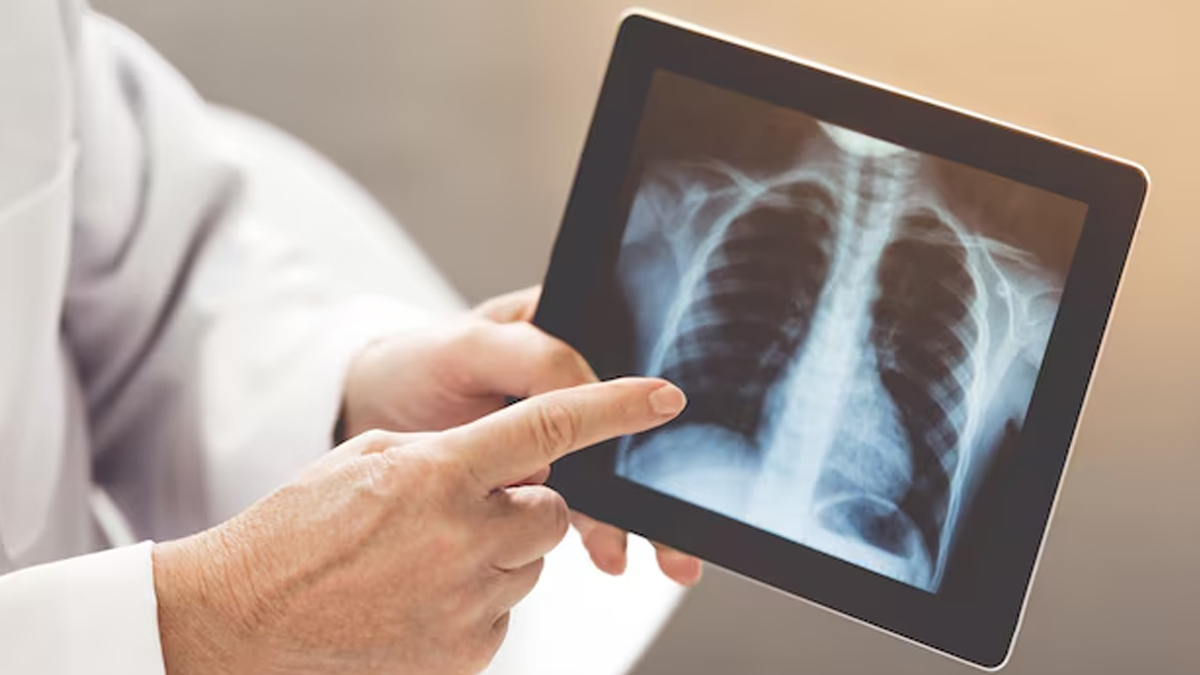
This helps detect:
- Enlarged heart
- Lung changes
Cardiac Catheterization
This test is a test of pressure within the heart.
It helps determine:
- The severity of the shunt.
- Need for treatment
Treatment Options for Cardiac Shunt
Treatment depends on:
- Size of the defect
- Severity of symptoms
- Patient age
Dr Gupta explains, “The size and severity of the shunt will determine how it is treated. Small defects may only need monitoring, while larger ones may require medicine, catheter-based closure, or surgery.”
Monitoring Small Shunts: Small defects may close on their own.
Doctors may recommend:
- Regular check-ups: Monitoring heart function
- Medications: Medicines may help manage symptoms.
These include:
- Diuretics to remove excess fluid
- Drugs to control blood pressure
- Medicines to reduce heart strain
- Catheter-Based Closure: This is a minimally invasive method.
- Doctors insert a device through a thin tube.
- The device closes the hole inside the heart.
- Recovery time is usually short.
Surgery
- Large defects may require open-heart surgery.
- This repairs structural problems.
- Surgery is often needed in severe cases.
When to See a Doctor
Early diagnosis makes a big difference. Dr Gupta advises, “If you have trouble breathing all the time, your lips turn blue, or your child isn't growing well, see a doctor.”
Seek medical care if:
- Breathing problems occur often
- Lips or skin turn blue
- Child growth is slow
- Fatigue worsens
- Heartbeat feels irregular
- Early treatment prevents complications.
Living With a Cardiac Shunt
Many people live healthy lives with proper treatment. Dr Gupta emphasises, “Cardiac shunts can be mild or severe, but getting diagnosed and treated early can make a big difference in quality of life.”
Helpful lifestyle habits include:
- Regular medical follow-ups
- Healthy diet
- Avoiding smoking
- Staying physically active
- Managing stress
These steps support heart health.
ALSO READ- Heart Palpitations After Eating: Causes, Trigger Foods, And When to Worry
Conclusion
A cardiac shunt can range from mild to serious. Some people may not notice symptoms for years, while others may show signs early in life. Understanding the condition helps in early detection and treatment. Most importantly, timely medical care can prevent complications and improve long-term outcomes. Paying attention to symptoms, following medical advice, and maintaining healthy habits can help individuals live active and fulfilling lives.
FAQ
1. Can a cardiac shunt heal on its own?
Small shunts may close naturally, especially in children.2. Is a cardiac shunt always serious?
Not always. Some are mild and need only monitoring.3. What is the most common type of cardiac shunt?
Left-to-right shunts like ASD and VSD are most common.4. Can adults develop symptoms later in life?
Yes, some people notice symptoms only in adulthood.5. How is a cardiac shunt treated?
Treatment may include monitoring, medicines, catheter closure, or surgery.
All possible measures have been taken to ensure accuracy, reliability, timeliness and authenticity of the information; however Onlymyhealth.com does not take any liability for the same. Using any information provided by the website is solely at the viewers’ discretion. In case of any medical exigencies/ persistent health issues, we advise you to seek a qualified medical practitioner before putting to use any advice/tips given by our team or any third party in form of answers/comments on the above mentioned website.
How we keep this article up to date:
We work with experts and keep a close eye on the latest in health and wellness. Whenever there is a new research or helpful information, we update our articles with accurate and useful advice.
-
Current Version
Apr 10, 2026 19:08 IST
Modified By : Vivek Kumar Apr 10, 2026 19:08 IST
Modified By : Vivek KumarApr 10, 2026 19:08 IST
Published By : Vivek Kumar
Reviewed By : Dr Deebanshu Gupta