
Have you experienced a feeling when your heart is racing, or it seems that it is not beating, after you have eaten something? It can be quite scary. Many people experience this after having a meal, spicy food or having something containing caffeine. In the majority of cases, post-meal palpitations of the heart are not a major issue, and they subside on their own. This is because your body is in full swing to digest the food that you have just eaten.
If you get palpitations frequently or if they are really bad, you should not ignore them. It is advisable to understand what causes these feelings, which foods can trigger them and when you should see a doctor.
What Are Heart Palpitations?
Heart palpitations are the sensation that your heart is beating harder, more quickly, or even irregularly. Others detail it as:
- A racing heartbeat
- Palpitations in the chest.
- A pounding feeling
- Skipped or extra heartbeats

Palpitations may occur any time. However, several individuals become aware of them once they have eaten some foods or large meals.
Dr Deebanshu Gupta, Cardiologist, Sarvodaya Hospital, Jalandhar, explains, “It's normal for your heart to race or flutter after you eat. This can be uncomfortable, but it's a normal part of the process of digesting food. It usually goes away on its own, but knowing what caused it can help you figure out when it needs help.”
A 2025 research study looked at 8,746 ECG records to understand heart rhythm problems linked to palpitations. The study found that some people with palpitations had rhythm changes such as slow heart rate (8.5%) and fast heart rate (5%), while more serious rhythm problems like atrial fibrillation were less common.
The researchers said that tests like an ECG can help doctors figure out whats causing palpitations and decide if they need treatment. This shows that while palpitations are common medical tests are helpful when symptoms happen often or feel unusual.
ALSO READ- Heart Disease in Women: Why It's Often Misdiagnosed
What Happens to the Body After You Eat?
After you eat your body focuses on digesting the food. This process needs energy and blood flow. More blood goes to your stomach and intestines to help break down the food. Because of this your heart needs to pump to keep the blood flowing to the rest of your body.
Dr Gupta explains, "More blood goes to your system after you eat. This can make your heart beat faster and work harder. Hormones, insulin and the vagus nerve can all change how fast your heart beats."
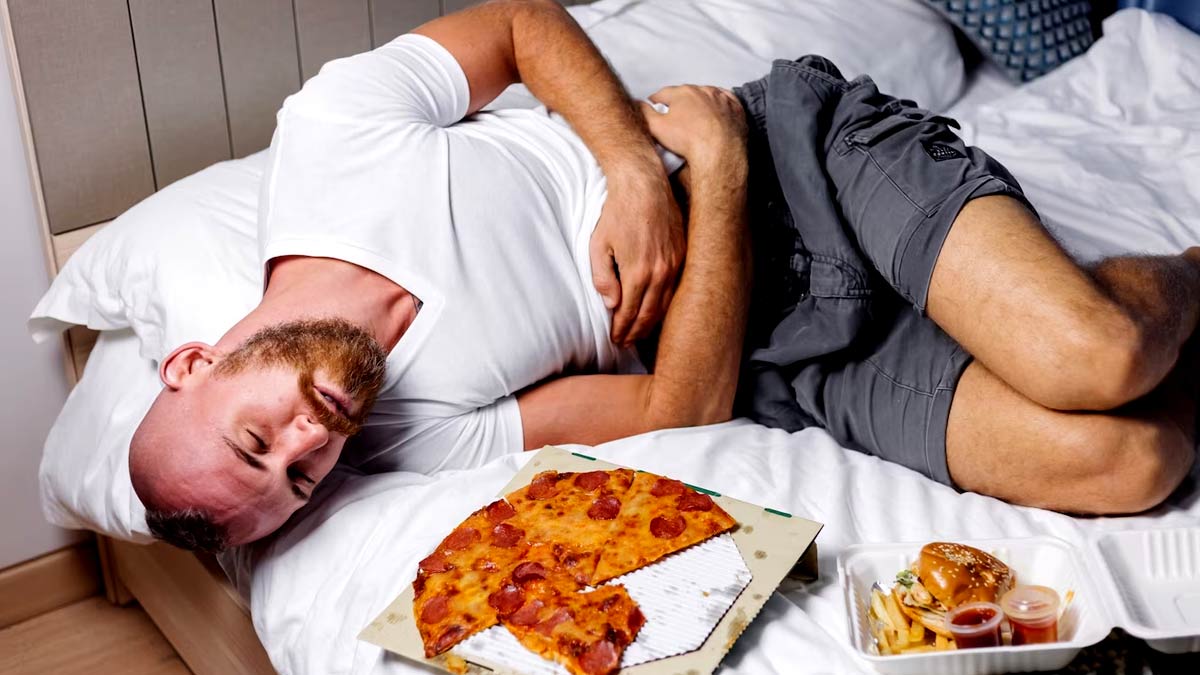
These effects may be stronger after meals when you eat very rich foods if you're sensitive to certain foods or when you eat too quickly. In some cases, this response is temporary and goes away within a few minutes.
Common Causes of Heart Palpitations After Eating
There are things that can trigger heart palpitations after meals. Some are harmless, while others may need attention.
A research review on PubMed explains that digestive problems can sometimes trigger heart symptoms after meals. The study describes a condition called gastrocardiac syndrome, where issues like acid reflux, stomach inflammation, or infections can affect the heart through nerve signals and inflammation.
Researchers noted that stomach-related conditions can lead to symptoms such as palpitations, chest discomfort, or irregular heartbeat after eating, especially in people with digestive disorders.
1. Large Meals
Eating a large meal puts pressure on the digestive system. This increases blood flow demand and can make the heart work harder.
Large meals may also stretch the stomach. This can stimulate the vagus nerve and trigger palpitations.
2. Rapid Changes in Blood Sugar
Foods high in sugar or refined carbohydrates can cause a sudden rise in blood sugar. This triggers insulin release.
The sudden hormonal changes may lead to:
- Fast heartbeat
- Shakiness
- Sweating
- Palpitations
This is especially common in people with diabetes or insulin resistance.
3. Stimulation of the Nervous System
Spicy foods or strong flavours may stimulate nerves connected to the heart.
This can lead to:
- Temporary heart racing
- Warm sensation in the chest
- Increased heart awareness
4. Digestive Conditions
Certain digestive problems can also trigger palpitations, including:
- Acid reflux
- Gas and bloating
- Food intolerance
These conditions can irritate nerves near the heart and create unusual sensations.
Foods That Can Trigger Heart Palpitations
Some foods are more likely to trigger palpitations than others. Dr Gupta notes, "People know that some foods can make your heart race. Caffeine, high-sugar foods, spicy meals, alcohol and foods high in sodium are triggers."
Here are the main food triggers to watch for:
Caffeine
- Caffeine is a stimulant that increases heart rate and alertness.
- Common sources include coffee, tea, chocolate and energy drinks. Even small amounts can affect individuals.
High-Sugar Foods
- Sugary foods cause blood sugar spikes, leading to insulin release and hormonal shifts.
- Common triggers include sweets, desserts, sugary beverages and refined carbs. These rapid changes can make your heart feel like it's racing.
Spicy Foods
- Spicy meals stimulate nerves in your system.
- This may lead to heart racing, sweating or flushing. People with reflux may be more sensitive to spicy foods.
Alcohol
- Alcohol can disrupt your heart's rhythm.
- It may cause a heartbeat, palpitations or dehydration. Even small amounts may trigger symptoms in some people.
High-Sodium Foods
- Foods high in salt can raise blood pressure.
- This puts strain on your heart and may trigger palpitations.
- Common high-sodium foods include processed foods, packaged snacks, fast food and pickles.
ALSO READ- What Is The Life Expectancy With Heart Failure? Experts Weigh In
Who Is More Likely to Experience Palpitations After Eating?
Some people are more sensitive to changes that occur after meals. Dr Gupta explains, “Some groups are more likely to have heart palpitations after eating, including people with diabetes, anxiety disorders, thyroid problems, or existing heart issues.”
A PubMed-indexed study found that older adults, people with diabetes, high blood pressure, and higher body weight were more likely to develop symptoms after meals, including dizziness, weakness, and heart-related symptoms such as palpitations.
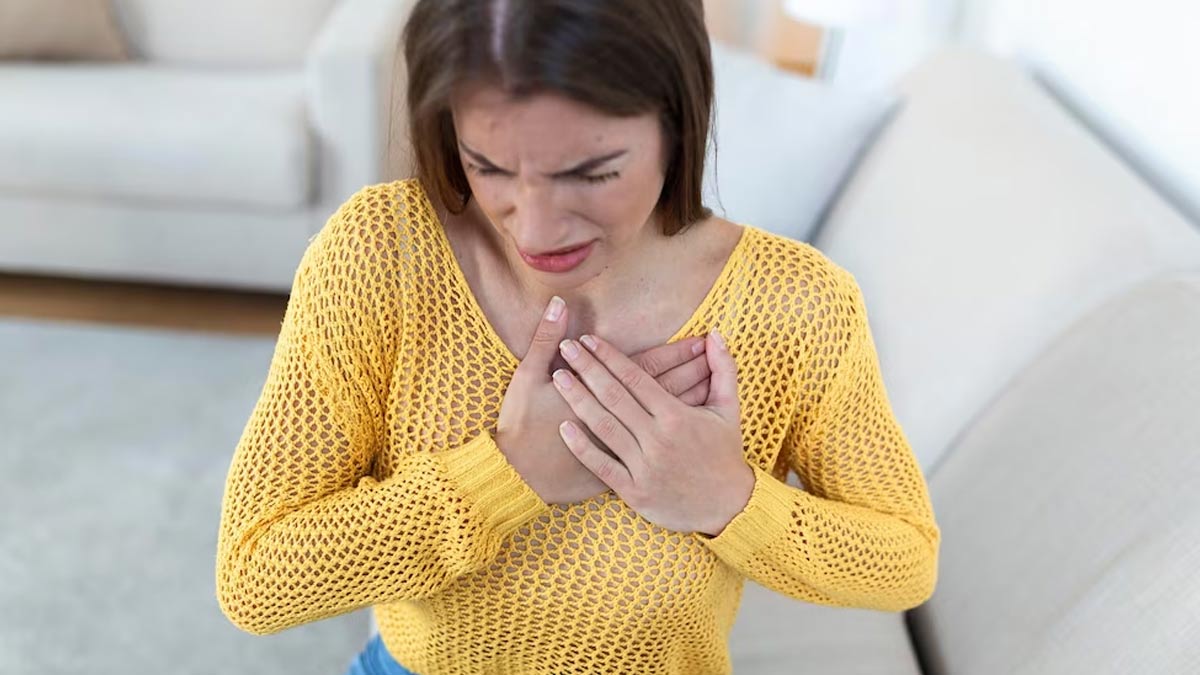
This study followed 94 older individuals and discovered that approximately half of them experienced drops in blood pressure after meals, which was associated with an increased risk of heart issues in the future. Scientists said these groups are more sensitive to post-meal increases and decreases in blood flow and are therefore more likely to detect any heart symptoms.
High-risk groups include:
People With Diabetes
- The heart rhythm may be altered by changes in blood sugar.
- Palpitations can be caused by rapid changes in glucose levels.
People With Anxiety Disorders
- Stress and anxiety increase adrenaline levels.
- This causes the heart to be more sensitive to normal body changes.
People With Thyroid Disorders
- Thyroid hormones control metabolism and heart rate.
- In cases of an overactive thyroid, palpitations can occur.
People With Existing Heart Conditions
- Arrhythmia or heart disease patients must watch their symptoms.
- Symptoms can be seen even with mild triggers.
When Should You Be Concerned?
Sometimes palpitations following meals are not harmful. However, some of the symptoms cannot be overlooked.
Dr Gupta recommends that mild palpitations that occur occasionally are not generally harmful, but that they may require assistance when they occur frequently or take longer than a few minutes, when they happen after small meals, or when they are accompanied by chest pain, lightheadedness or fainting.
Warning Signs to Watch For
Seek medical attention if palpitations:
- Happen frequently
- Last longer than a few minutes
- Take place following small meals.
- Are accompanied by chest pain
- Cause dizziness
- Lead to fainting
- Cause breathlessness
All these symptoms can indicate a heart rhythm issue.
How Are Heart Palpitations After Eating Diagnosed?
Doctors use several methods to identify the cause of palpitations. The process usually begins with:
- Medical History
Your doctor may ask:
- When symptoms started
- What foods trigger them
- How long do they last
- Whether other symptoms occur
- Keeping a symptom diary can help.
Physical Examination
- A doctor listens to the heart and checks blood pressure.
- This helps identify abnormal rhythms.
Diagnostic Tests
If needed, doctors may recommend:
- ECG (Electrocardiogram)
- This test records the electrical activity of the heart.
- It helps detect irregular rhythms.
Holter Monitor
- This portable device records heart activity over 24–48 hours.
- It captures irregular episodes during daily activities.
Dr Gupta notes, “If symptoms don’t go away, tests like an ECG or a Holter monitor may be needed to find the cause.”
How to Manage Heart Palpitations After Eating
Simple lifestyle changes can help reduce symptoms. Dr Gupta suggests, “The first thing you need to do is stay away from foods that make the problem worse, eat smaller meals, and drink less caffeine and alcohol.”
Practical Management Tips
- Eat Smaller Meals: Large meals increase digestive workload. Smaller meals reduce strain on the heart.
- Avoid Trigger Foods: Identify and limit foods that cause symptoms. Keep track of meals and symptoms.
- Reduce Caffeine Intake
Switch to:
- Decaffeinated beverages: Herbal teas. This reduces stimulation of the heart.
- Stay Hydrated: Dehydration can worsen palpitations.
- Drink enough water throughout the day.
- Eat Slowly: Eating too quickly increases stress on digestion. Take time to chew food properly.
Treatment Options
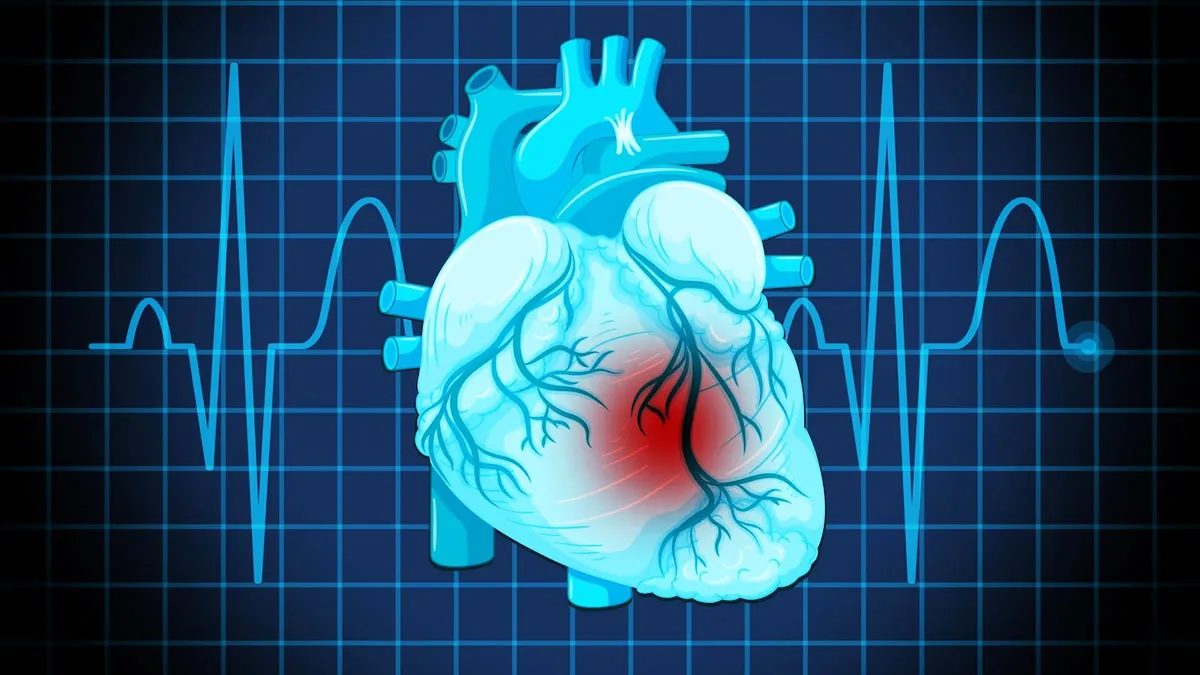
Treatment depends on the underlying cause. Dr Gupta explains, “What caused the problem will determine how it is treated. It might mean taking medicine or dealing with health problems that are already there.”
Medication
Doctors may prescribe medications to:
- Control heart rhythm
- Reduce anxiety
- Manage thyroid problems
- Control blood pressure
Treating Underlying Conditions
Managing related conditions can reduce symptoms.
Examples include:
- Diabetes management
- Thyroid treatment
- Heart rhythm therapy
Lifestyle-Based Treatment
In many cases, lifestyle changes alone are enough.
These include:
- Healthy eating habits
- Regular exercise
- Stress management
Can Heart Palpitations After Eating Be Prevented?
In many cases, yes.
Prevention focuses on controlling triggers.
Prevention Tips
- Eat balanced meals
- Avoid overeating
- Limit caffeine
- Reduce sugary foods
- Stay active
- Get enough sleep
- Avoid alcohol if sensitive
- Keeping a food and symptom diary is especially helpful.
When to See a Doctor
It is important not to ignore persistent symptoms.
According to Dr Gupta, heart palpitations after food are often not a cause for worry, but when they are persistent and very severe, then it is time to consult a doctor.
See a doctor if:
- Symptoms occur frequently
- Palpitations deteriorate with time.
- Lifestyle changes are not helpful.
- The symptoms are chest pain or fainting.
- Complications can be avoided by early diagnosis.
ALSO READ- How Smoking Damages Your Heart
Conclusion
It is frightening to experience heart palpitations post-eating. They occur due to the working of your body digesting food. They can be exacerbated by some foods, meals and health problems. The majority of the individuals can improve their mood through changes, which include taking small meals and avoiding foods that cause them ill feelings. You must not feel bad or it is severe, you must always see a doctor.
FAQ
1. Are heart palpitations after eating normal?
Yes, it is normal to experience mild palpitations after eating and it is generally harmless.2. What are some of the foods that usually cause heart palpitations?
Common triggers include caffeine, sweet food, spicy food, alcohol and salty food.3. How long is the duration of post-meal palpitations?
They tend to subside in a few minutes.4. Does eating lead to heart palpitations because of anxiety?
Yes, it is possible that anxiety makes the heart sensitive and leads to palpitations.5. Is it necessary that I see the doctor when palpitations occur after eating?
Get medical attention when they are frequent, prolonged or accompanied by chest pain or fainting.
All possible measures have been taken to ensure accuracy, reliability, timeliness and authenticity of the information; however Onlymyhealth.com does not take any liability for the same. Using any information provided by the website is solely at the viewers’ discretion. In case of any medical exigencies/ persistent health issues, we advise you to seek a qualified medical practitioner before putting to use any advice/tips given by our team or any third party in form of answers/comments on the above mentioned website.
How we keep this article up to date:
We work with experts and keep a close eye on the latest in health and wellness. Whenever there is a new research or helpful information, we update our articles with accurate and useful advice.
-
Current Version
Apr 10, 2026 17:00 IST
Modified By : Vivek Kumar Apr 10, 2026 17:00 IST
Modified By : Vivek KumarApr 10, 2026 17:00 IST
Published By : Vivek Kumar