-1787663081889_m.webp)
That sudden flutter or thud in your chest can be genuinely alarming, especially the first time. You're instantly transported to the worst case scenario, but for the majority, a missed beat is much more frequent and innocuous than it seems right now.
The short answer: in most cases, you don't need to worry, but in certain circumstances it is best to get it checked. Here's what's actually happening in your chest, and how to tell the difference.
What Are Occasional Skipped Heartbeats?
Dr Chirag D, Consultant, Interventional Cardiology at Aster Whitefield Hospital, Bangalore, puts it plainly. "Occasional skipped heartbeats are also called "ectopic beats" or "palpitations". They are very common. If your heart is healthy, these beats are usually harmless.
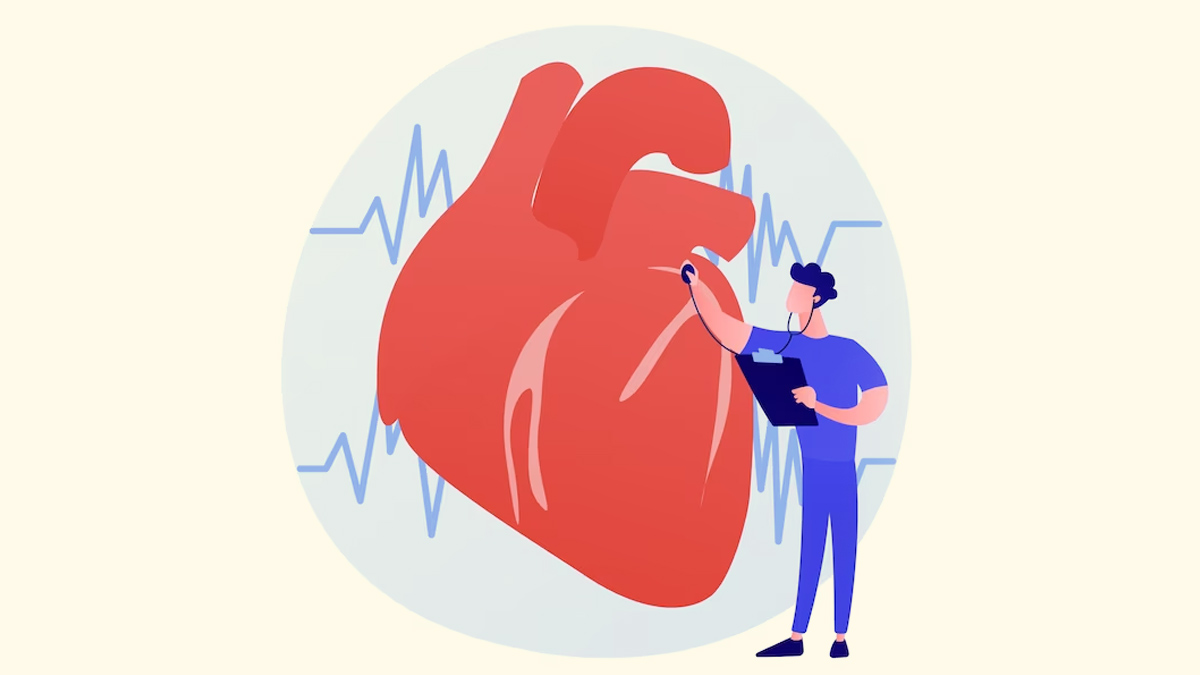
 heart beat skip
However, "occasional" is the most important word. You should see a doctor if they happen often, last for a long time, or come with other symptoms. You should not just assume they are nothing.
Why Does Your Heart Skip a Beat?
According to Dr Chirag D, several everyday factors can trigger these extra beats:
- Extra or early heartbeats, called premature atrial contractions (PACs) or premature ventricular contractions (PVCs), throw off the heart's normal rhythm just enough to feel like a "skip" or a flutter.
- Stimulants like caffeine, nicotine, and alcohol can trigger these extra beats in many otherwise healthy people.
- Stress, anxiety, and lack of sleep can make the heart more prone to these irregular beats.
- Dehydration and electrolyte imbalances, particularly involving potassium or magnesium, can disrupt the heart's normal electrical signalling.
- Hormonal changes, including those during pregnancy or menstrual cycles, can also trigger occasional palpitations.
In some cases, underlying heart conditions, thyroid issues, or certain medications can be the cause, which is why persistent symptoms need proper evaluation.
ALSO READ- Can Music Really Change Your Heart Rate? A Cardiologist Explains What Happens
How Long Do Skipped Heartbeats Last?
A skipped heartbeat lasts only a split second. It feels like a "flip" or a "thud" because the heart pauses briefly before beating again.
A full episode usually lasts a few seconds or a couple of minutes. However, you should see a doctor if the skipping lasts for a long time, happens for hours, or occurs in frequent clusters throughout the day.
How Common Is It?
Very common, and the data backs this up clearly. Dr Chirag D notes that studies using continuous heart monitoring show even healthy individuals with no heart disease can have hundreds of extra beats a day without any symptoms or health consequences.
A review published on the NCBI Bookshelf found that 24-hour Holter monitoring detected PVCs in 69% of healthy adults in one study, with nearly all elderly participants showing them in another, and noted that longer monitoring periods and newer wearable technology reveal even higher detection rates.
Awareness of these beats varies hugely from person to person, some people never notice them, while others feel acutely sensitive to every flutter.
Are Some People More Prone to This?
Yes, and Dr Chirag D lists several contributing factors:
- People with high caffeine or alcohol intake.
- Those experiencing high stress, anxiety, or panic disorders, since heightened awareness of bodily sensations often makes palpitations feel more frequent or alarming than they are.
- Pregnant women, due to hormonal and blood volume changes.
- People with existing heart conditions, structural heart disease, or a history of heart attack.
- Those with thyroid dysfunction, particularly an overactive thyroid.
- Older adults, since the likelihood of ectopic beats naturally increases with age.
- People who are sleep-deprived or have untreated sleep apnoea.
Age and gender play a role in how often heart palpitations occur. A 2025 study in the Journal of Cardiovascular Electrophysiology analysed data from eight medical centers. It looked specifically at premature ventricular contractions (PVCs). The study found that frequent PVCs are more common in older men. This was defined as PVCs making up more than 5% of total heartbeats.
How to Get an Irregular Heartbeat Back to Normal
Dr Chirag D suggests a few practical steps for occasional episodes:
- Taking a few slow, deep breaths often helps calm the nervous system and settle occasional palpitations.
- Staying well hydrated and maintaining balanced electrolyte levels supports normal heart rhythm.
- Cutting back on caffeine, alcohol, and nicotine, especially if they seem to trigger symptoms.
- Managing stress through relaxation techniques, since anxiety is a common trigger and amplifier.
- Getting adequate, consistent sleep, since fatigue can make the heart more prone to irregular beats.
- If it happens during intense physical activity, slowing down and resting can help the heart settle back into rhythm.
What Are the Treatment Options for Skipped Heartbeats?
For most people, treatment isn't even necessary. Dr Chirag D explains how to do it:
- If occasional, harmless skipped beats are caused by lifestyle factors, no special treatment is required other than those measures.
- If the irregular beats are frequent or worry the doctor, an ECG or a Holter monitor, which is worn for 24-48 hours or more, may be used to pinpoint the type and rate of irregular beats.
- All blood tests for thyroid function and/or electrolyte levels are performed to exclude underlying causes.
- When they are occurring more frequently, are causing symptoms or are associated with a heart disease, medications such as beta-blockers can be prescribed to help lower the frequency of the palpitations.
- In rare cases, especially if the PVCs are very common or they are interfering with heart function, a procedure called catheter ablation can be performed to target and destroy the abnormal area which is causing the irregular beats.
- If the palpitations are a secondary effect of a problem (such as an underactive or overactive thyroid, or a poorly managed sleep apnoea), treating the primary condition usually improves the secondary condition without the need for additional treatment.
When Should You Actually Worry?

Dr Chirag D is sure that there are some symptoms which should not be ignored:
- When skipped beats are accompanied by chest pain, dizziness, fainting, or severe shortness of breath.
- If they happen to be very common or long lasting instead of occasional.
- If someone has a history of heart disease, heart attacks, or heart-related death in the family, or unexplained fainting.
- If palpitations are experienced when exercising not at rest, this requires immediate investigation
ALSO READ- 7 Subtle Signs Your Heart Health Needs Attention
Conclusion
A skipped beat, which many people experience from time to time, is typically a normal electrical rattle or rumble from your heart and not a cause for concern. Pay attention to the frequency, the accompanying symptoms and not the sensation itself is the key. If there's any uncertainty, a straightforward ECG or Holter monitor can be of assistance and provide peace of mind.
FAQ
1. Can certain foods, besides caffeine and alcohol, trigger skipped heartbeats?
Yes, some people find that high-sugar foods, very spicy meals, or large, heavy meals can trigger palpitations, likely due to their effect on digestion and the nervous system.2. Does exercise make occasional skipped heartbeats worse over time?
Not typically, for healthy individuals. Regular moderate exercise generally supports heart health and can reduce stress-related palpitations.
All possible measures have been taken to ensure accuracy, reliability, timeliness and authenticity of the information; however Onlymyhealth.com does not take any liability for the same. Using any information provided by the website is solely at the viewers’ discretion. In case of any medical exigencies/ persistent health issues, we advise you to seek a qualified medical practitioner before putting to use any advice/tips given by our team or any third party in form of answers/comments on the above mentioned website.
How we keep this article up to date:
We work with experts and keep a close eye on the latest in health and wellness. Whenever there is a new research or helpful information, we update our articles with accurate and useful advice.
-
Current Version
Aug 25, 2026 17:11 IST
Modified By : Vivek Kumar Aug 25, 2026 17:11 IST
Published By : Vivek Kumar
Reviewed By : Dr Chirag D